


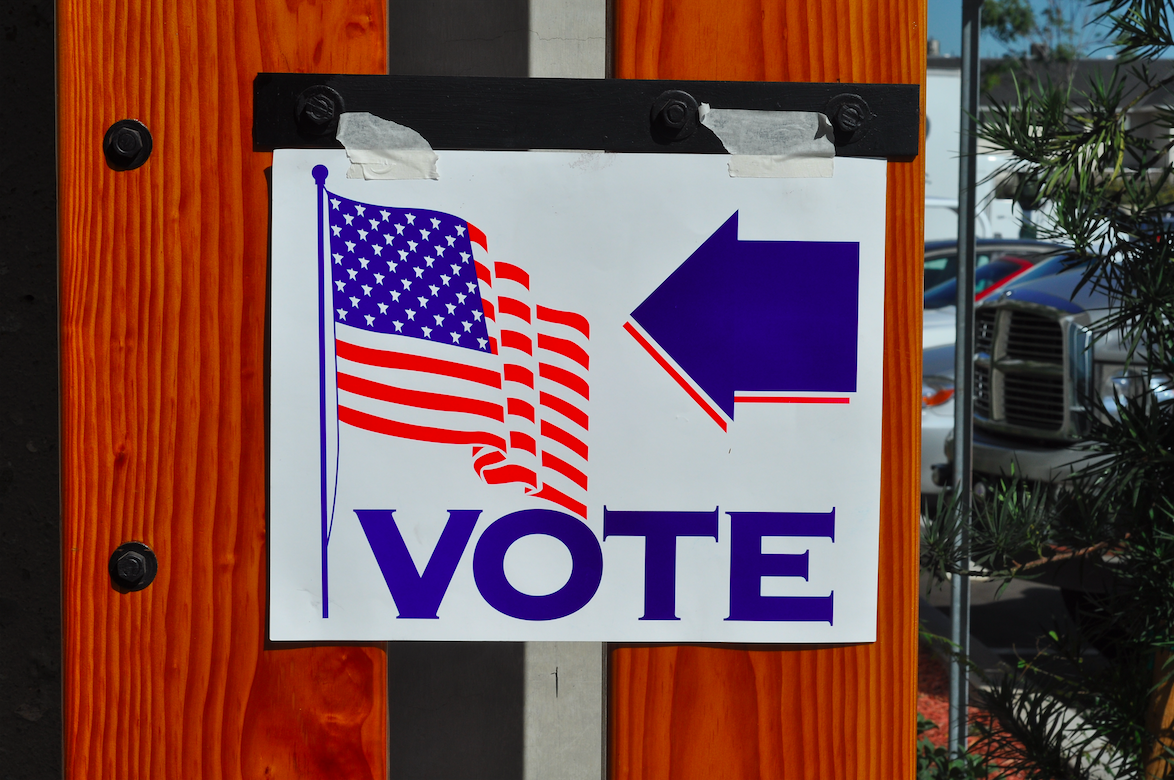
A special Republican Party primary is scheduled for August 11, 2026, in South Carolina to determine which Republican candidate will run in the state's general election on November 3, 2026.
The special primary became necessary after incumbent Lindsey Graham (R), the Republican nominee selected at the June 9 primary, died on July 11, 2026. Graham won re-nomination with 57% of the vote.
On July 13, 2026, Gov. Henry McMaster (R) appointed Graham's sister, Darline Graham (R-S.C.), to complete Graham's term. She is the first sibling in U.S. history to be appointed to succeed a senator since the ratification of the 17th Amendment provided for the direct election of senators in 1913.
Politico's Alec Hernandez wrote that Graham's death "will kick off a rapid campaign to pick the next likely senator from South Carolina — with a full six-year term on the line to replace the longtime senator," and The Associated Press' Meg Kinniard wrote, "The rare open Senate seat has ignited a scramble among South Carolina’s most ambitious conservatives, who have been eager to climb the political ladder."
Candidate filing will go from July 21 to July 28. A runoff, if needed, will be held on August 25.
Since 1956, only two people — Strom Thurmond (R-S.C.) and Lindsey Graham (R-S.C.) — have been elected to this Senate seat, meaning the winner could be the third person elected to it. President Donald Trump (R) won the state in 2024 with 58% of the vote. Graham won re-election in 2020 with 54% of the vote. Republicans have won the state in every presidential election since 1980, every Senate election since 2004, and every gubernatorial election since 2002.
The following candidate has declared their candidacy:
- Mark Lynch, a businessman who was the runner-up in the June 9 primary with 29% of the vote, said he would run to "bring the U.S. Senate seat of South Carolina back to TRUE Conservative leadership for the Republican party."
The following individuals have expressed interest:
- Nancy Mace, a U.S. Representative for South Carolina's 1st Congressional District and fifth-place candidate for governor, posted a quote from the movie The Godfather III in an X post, saying, "'Just when I thought I was out… they pull me back in…'"
- Ralph Norman, a U.S. Representative for South Carolina's 5th Congressional District and third-place candidate for governor, said he "is interested in the job. The reason I'm interested? The Senate is standing in the way of passing President Trump's agenda."
Several other Republicans have also been discussed as potential candidates by various media outlets:
- Sheri Biggs, U.S. Representative for South Carolina's 3rd Congressional District.
- Pamela Evette, the Lieutenant Governor of South Carolina and runner-up in the gubernatorial primary.
- Russell Fry, U.S. Representative for South Carolina's 7th Congressional District.
- Trey Gowdy, a former U.S. Representative for South Carolina's 1st Congressional District.
- Mark Sanford, a former U.S. Representative for South Carolina's 1st Congressional District and former governor.
The Republican nominee selected in this special primary will become the 29th replacement nominee for a U.S. Senate candidate since 1918. To read more about replacement nominees in U.S. Senate contests, click here.