


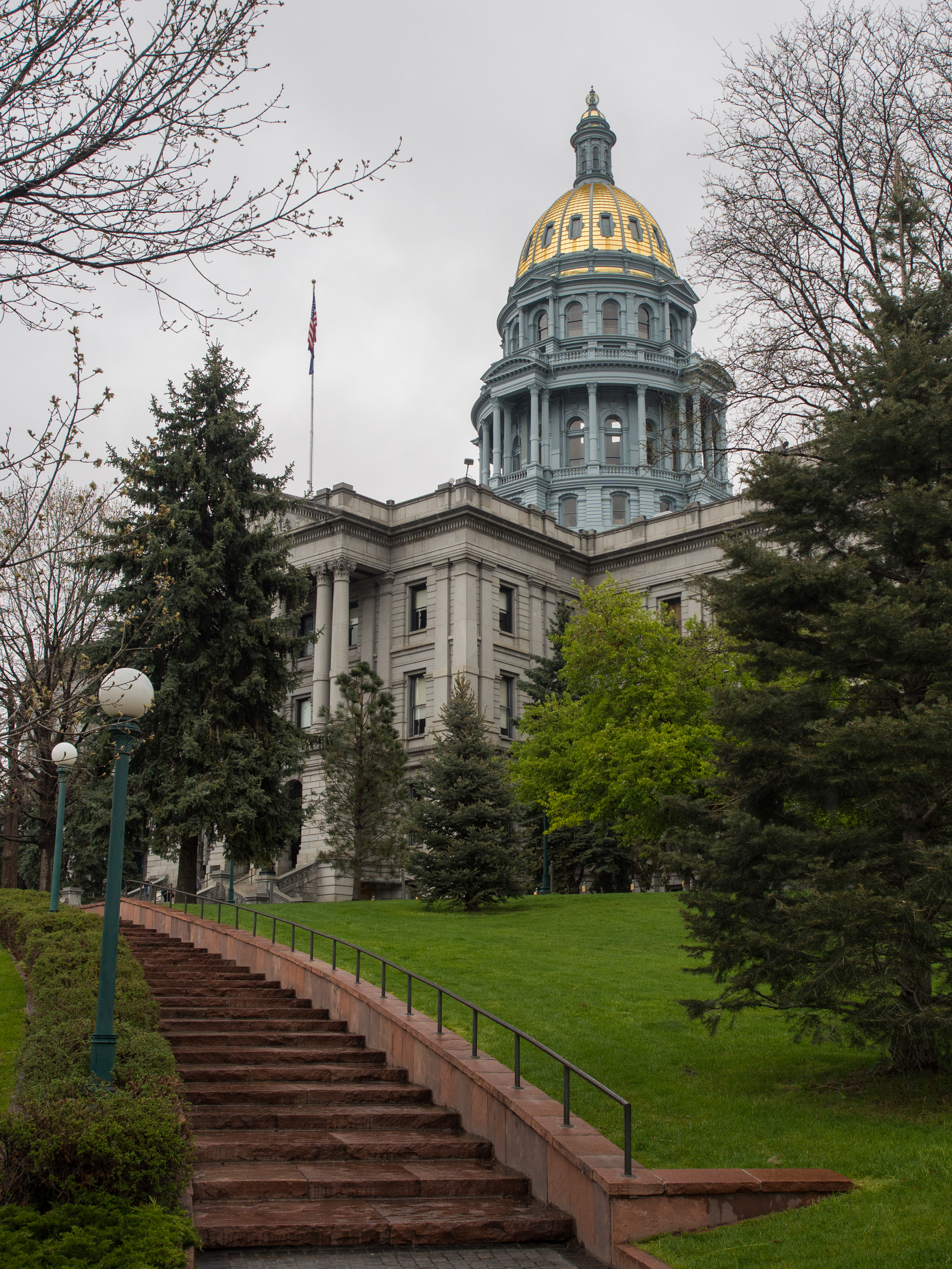
Elections for 18 of the 35 districts in the Colorado Senate took place on Nov. 3, 2026.
Following the election, Democrats expanded their majority to 24-11.
Ahead of the general elections, Democrats had a 23-12 majority in the chamber. Democrats had controlled the state Senate since 2018. Republicans needed to win at least six districts in 2026 to gain control, and Democrats needed to lose no more than five to maintain their majority.
Ballotpedia assessed a moderate possibility of a Democratic supermajority forming in the Colorado General Assembly as a result of the 2026 elections. A supermajority is when one party has enough members in the state legislature to override a gubernatorial veto without any votes from members of the minority party. Neither party had a supermajority in the state Senate at any point from 1992 to 2026.
In Colorado, a party must control two-thirds of the districts in each legislative chamber to have a supermajority. That's 24 districts in the state Senate and 44 in the Colorado House of Representatives. Democrats needed to win control of at least one district to form a supermajority in the state Senate, and Republicans needed to retain control of all districts to prevent a supermajority. Because Democrats won 24 seats in the 2026 election, they gained a supermajority.
Both the Democratic Legislative Campaign Committee (DLCC) and the Republican State Leadership Committee (RSLC) targeted the Colorado General Assembly in the 2026 general elections. According to a Ballotpedia analysis, Colorado was one of 30 states where both parties targeted districts in the state legislature.
The DLCC targeted five state Senate districts, including four Democratic-held districts and one Republican-held district. The DLCC official website stated that "2026 is our opportunity to solidify Democratic power in the Colorado General Assembly so the state can continue serving as a firewall against the Trump administration."
The RSLC targeted Colorado as one of eight states to focus on preserving its members. According to RSLC President Edith Jorge-Tuñón, "With the key understanding being not backtracking on the progress already made in these states, there are opportunities to expand GOP control where we are seeing frustrations in blue states."
Colorado was one of 16 states with a Democratic trifecta ahead of the general elections, meaning Democrats controlled the governorship and both legislative chambers. The state had a Democratic trifecta since 2019. The last time the state had a Republican trifecta was in 2004.
Ballotpedia considered 12 districts to be battlegrounds. These included districts where the margin of victory (MOV) in the last general elections was within five percentage points, where a district was open, where a national organization was targeting, or where a district featured a notable challenger to an incumbent. Seven of the 12 districts were open, while incumbents ran in the other five districts.
Elections happened in 2026 for 88 of the 99 state legislative chambers across the country. In total, 6,137 of the country's 7,386 state legislative seats were up for election in 2026.