

Tag: 2026 ballot measures
-
Signatures submitted for 2026 Colorado ballot initiative related to fentanyl penalties
In Colorado, signatures were submitted on Nov. 20 to the secretary of state for a ballot initiative that would increase the penalties for the manufacturing, sale, and possession of fentanyl. The filing deadline for this measure, referred to as Initiative 85, was Nov. 28. Along with expanding those penalties, Initiative 85 would also establish mandated…
-
Where could abortion be on the ballot in 2026? Ballot measures qualified in Missouri and Nevada, proposed in five other states
In 2026, voters in seven states may decide abortion-related ballot measures. Two measures—one in Missouri, and one in Nevada—are certified to appear on the ballot next November. There are five other potential measures in Idaho, Montana, Nebraska, Oregon, and Virginia. In Missouri, voters will be deciding on Amendment 3, which would overturn an amendment voters…
-
California voters will decide on a proposition to allow public financing of campaigns in Nov. 2026
California voters will decide in 2026 whether to allow state and local governments to create public financing programs for election campaigns under Senate Bill 42 (SB 42), which Gov. Gavin Newsom (D) signed on Oct. 2. The measure would repeal a prohibition, enacted through Proposition 73 in 1988, on public officers and candidates using or…
-
Ballot measure update: Redistricting measure certified in California for 2025 during past two weeks; no new measures certified for 2026
The California State Legislature voted to send a redistricting amendment to the Nov. 4, 2025, ballot—bringing the total number of certified measures for 2025 to 30, which is equal to the average for odd-numbered year election cycles since 2011. 2025 ballot measures For 2025, 30 statewide ballot measures have been certified in nine states—California, Colorado,…
-
Ballot measure update: No new 2025 or 2026 ballot measure certifications in July or first week of August
The number of certified statewide ballot measures for 2025 is 29, which, as of August 5, is equal to the average for this point in the election cycle compared to previous years (2011-2023). For 2026, the number of certified ballot measures is 55, which is 10 above the average. 2025 ballot measures By late May…
-
After 2023 veto, Arizona legislature sends drug cartel terrorism designation law directly to voters as ballot measure
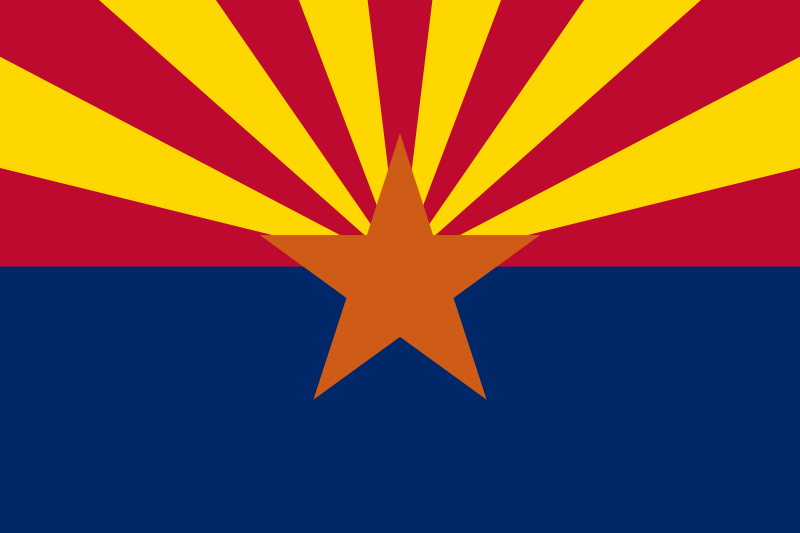
The Arizona State Legislature approved House Concurrent Resolution 2055 (HCR 2055), placing a ballot measure about drug cartels before voters in the 2026 election. If approved, the ballot measure would define drug cartels as terrorist organizations and require the Arizona Department of Homeland Security to "do everything within its authority to address the threat posed…
-
Ballot measure update: Utah veto referendum and amendments in Arizona, Florida, and Louisiana certified for 2026
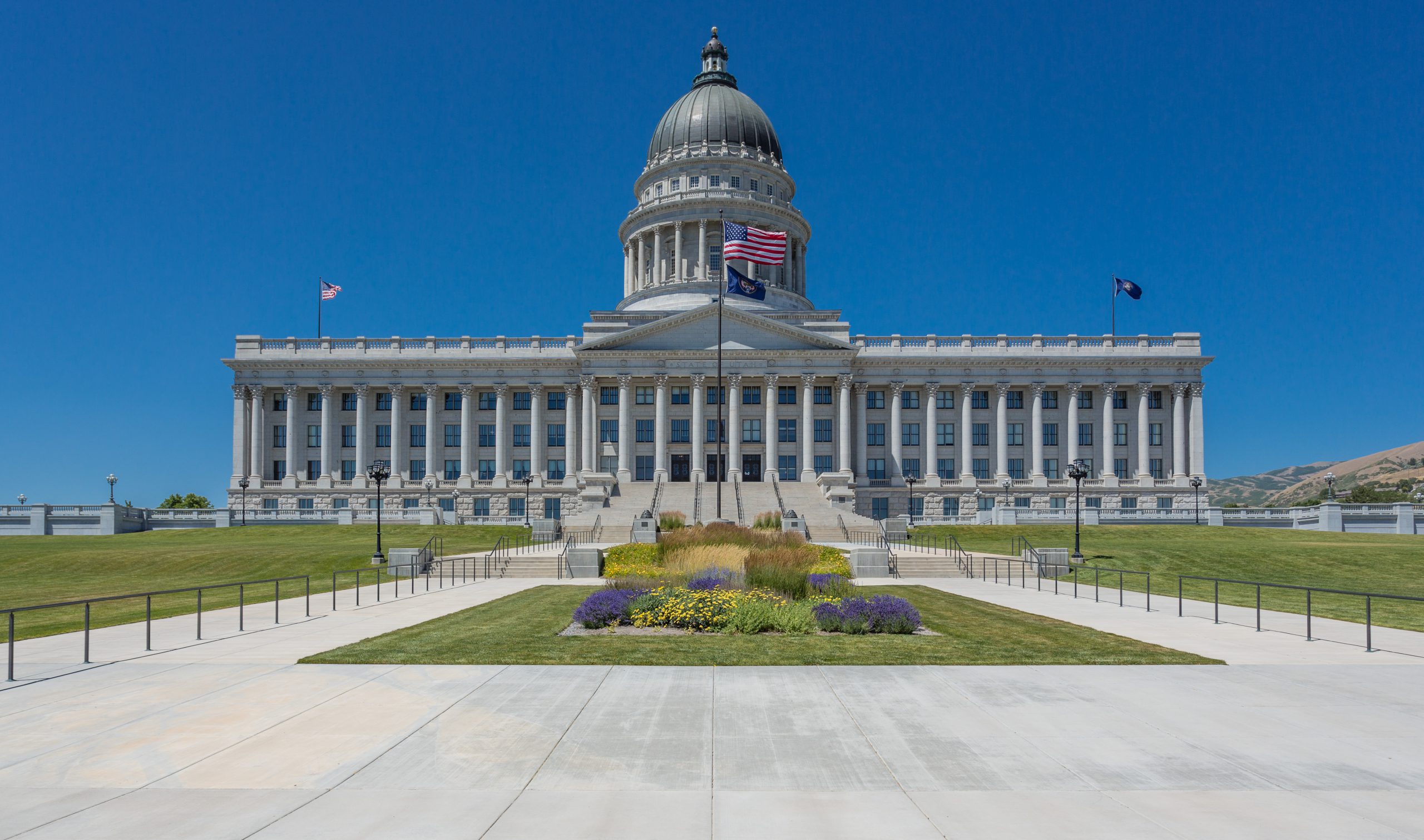
The number of certified statewide ballot measures for both 2025 and 2026 is trending above average compared to previous election cycles as of June 24. 2025 ballot measures For 2025, 27 statewide ballot measures have been certified in seven states—Colorado, Louisiana, New York, Ohio, Texas, Washington, and Wisconsin. This is six more than the average…
-
Florida voters to decide on changes to budget stabilization fund in 2026
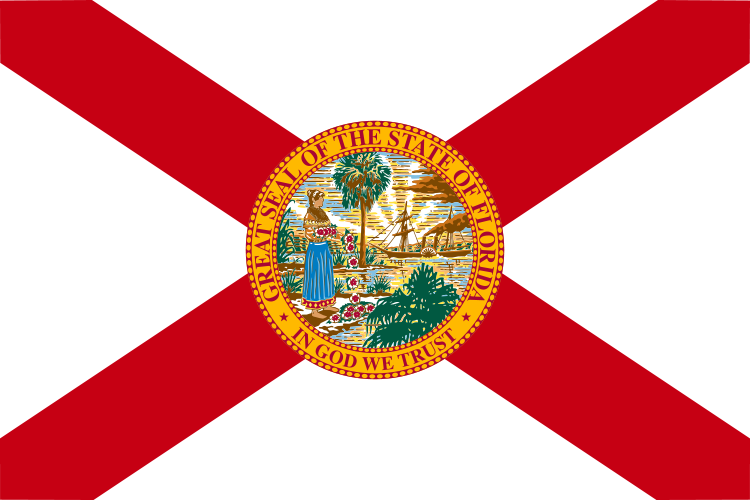
The Florida State Legislature voted on June 16, the final day of the legislative session, to send a constitutional amendment to voters that would make changes to the state’s budget stabilization fund (BSF). It will need to be approved by 60% of voters in Nov. 2026. The amendment would increase the maximum amount that can…
-
Nebraska voters to decide on change to state legislative term limit in 2026, 20 years after it took effect
Nebraska senators voted to send a constitutional amendment to the Nov. 3, 2026, ballot that would lengthen the state legislative term limit passed by voters in 2000. Initiative Measure 415 provided that state legislators are not eligible for office in the legislature for four years after serving two consecutive terms (eight years). The 2026 amendment…
-
Ballot measure update: Texas adds 7 more for 2025; Alaska campaign finance and Missouri abortion measures certified for 2026
The number of certified statewide ballot measures for both 2025 and 2026 is trending above average compared to previous election cycles as of May 27. 2025 ballot measures For 2025, 22 statewide ballot measures have been certified in six states—Colorado, Louisiana, Ohio, Texas, Washington, and Wisconsin. This is nine more than the average of 13…