

Tag: election law
-
Republican legislators supported amendments to require citizenship to vote in state and local elections, Democratic support varied by state
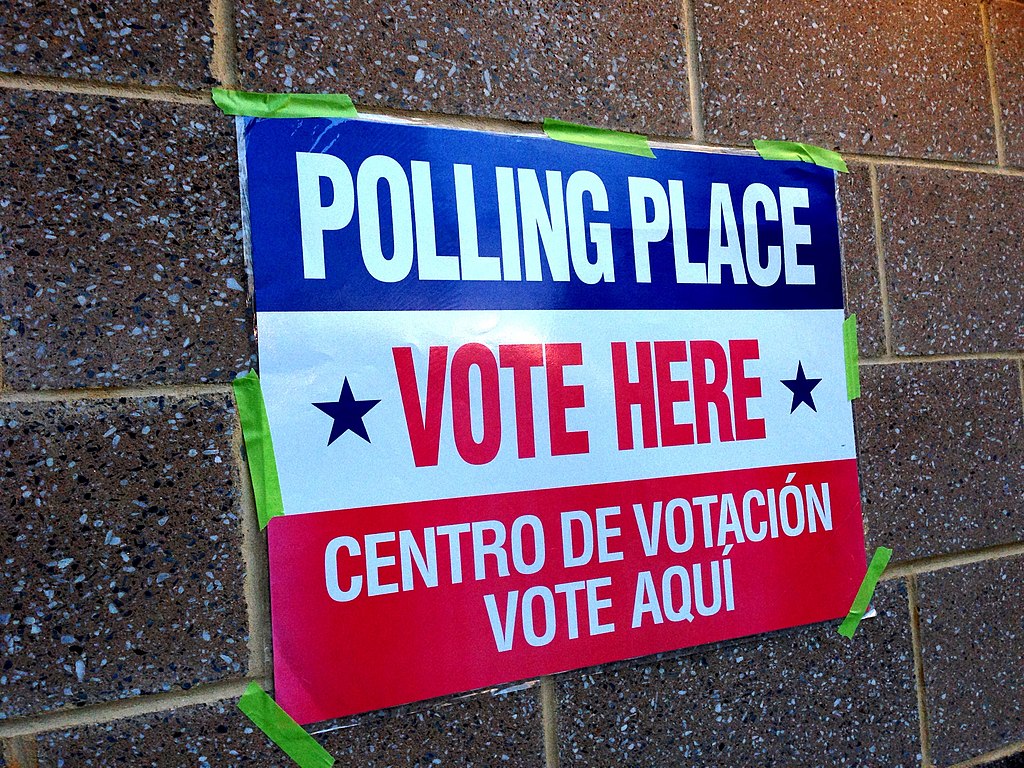
Since 2018, ballot measures to amend state constitutions to prohibit noncitizens from voting have appeared in six states. In Nov. 2024, voters in eight more states will decide on ballot measures to prohibit non-citizen voting: North Carolina, Idaho, Iowa, Kentucky, Missouri, Oklahoma, South Carolina, and Wisconsin. The ballot measures are designed to amend the states’…
-
New laws related to ranked-choice voting and youth voting among six new approved election bills in Colorado

Colorado lawmakers adopted six election-related bills during the 2024 regular session of the Colorado General Assembly. Included among the approved legislation was an omnibus bill that changed a number of areas of election law and created new requirements related to the adoption of ranked-choice voting (RCV), as well as bills related to voting in detention centers,…
-
More states banned ranked-choice voting in 2024 than any other year

Five states–Alabama, Kentucky, Louisiana, Mississippi, and Oklahoma–passed laws banning the use of RCV in 2024, more than in any other year. No state had a law prohibiting the use of RCV before 2022 when Florida and Tennessee became the first states to adopt bans. Idaho, Montana, and South Dakota joined them in 2023. Republicans controlled the legislature in all…
-
Two states with Republican trifectas adopted new requirements for voter registration drives

Tennessee and Louisiana joined a group of six other states with Republican trifectas that have adopted laws related to voter registration drives or third-party assistance for voter registration applications since 2020. In Tennessee, Gov. Bill Lee (R) signed HB 1955 / SB 2586 on May 1, prohibiting the pre-filling of information on a voter registration…
-
Six states passed laws related to the restoration of voting rights for felons or voting by incarcerated individuals
Six states adopted new laws related to voting by individuals convicted of a felony or voting by incarcerated individuals, including two states with Republican trifectas that passed bills to restore voting rights to certain individuals convicted of a felony more quickly. In Oklahoma, Gov. Kevin Stitt (R) signed HB 1629 on May 13, restoring voting rights to people convicted…
-
Governor Glenn Youngkin (R) vetoed most election bills of any governor in the first half of 2024

Thirty-eight bills related to elections passed both chambers of the Virginia General Assembly in the first half of 2024. Gov. Glenn Youngkin (R) vetoed 13 of these, the most vetoes of election-related legislation by any governor during the period. Despite the vetoes, the 25 new laws related to elections adopted this year are the most of any state with a divided…
-
Nine states approved bills related to noncitizen voting, voters in eight states will consider ballot measures this November

Nine states, including seven with Republican trifectas, have enacted legislation this year related to the eligibility of noncitizens to vote. In total, voters in eight states will consider ballot measures related to noncitizen voting at the November general election. In Louisiana, SB 436 requires proof of citizenship for voter registration applications. In 2022, Louisiana voters approved a ballot…
-
New rules for ballot return in three states with Republican trifectas among changes to absentee/mail-in voting
Three states with Republican trifectas added new definitions of who may return another voter's ballot in 2024. Idaho adopted H 599, which stipulates that only election officials, postal workers, common carrier employees, a person paid by the voter, a relative of the voter, a member of their household, or a caregiver may collect or deliver another…
-
Arizona voters to decide on amendment that would end term limits and retention elections for state supreme court and superior court judges

Voters in Arizona will decide on a constitutional amendment that will end term limits and retention elections for state supreme court justices and superior court judges on Nov. 5, 2024. The constitutional amendment, titled Senate Concurrent Resolution 1044 (SCR 1044), would be retroactive to Oct. 31, 2024, nullifying the results of the retention elections scheduled…
-
Arizona voters to decide on an amendment providing for legal challenges to ballot initiatives before an election

Voters in Arizona will decide on a constitutional amendment regarding legal challenges to ballot initiatives on Nov. 5, 2024. The ballot measure, Senate Concurrent Resolution 1041 (SCR 1041), allows for the filing of a lawsuit challenging the constitutionality of a proposed citizen-initiated measure after it has been filed with the secretary of state and at…