

Tag: incumbent
-
Share of incumbents in contested primaries above average in 2026, but less than previous midterm
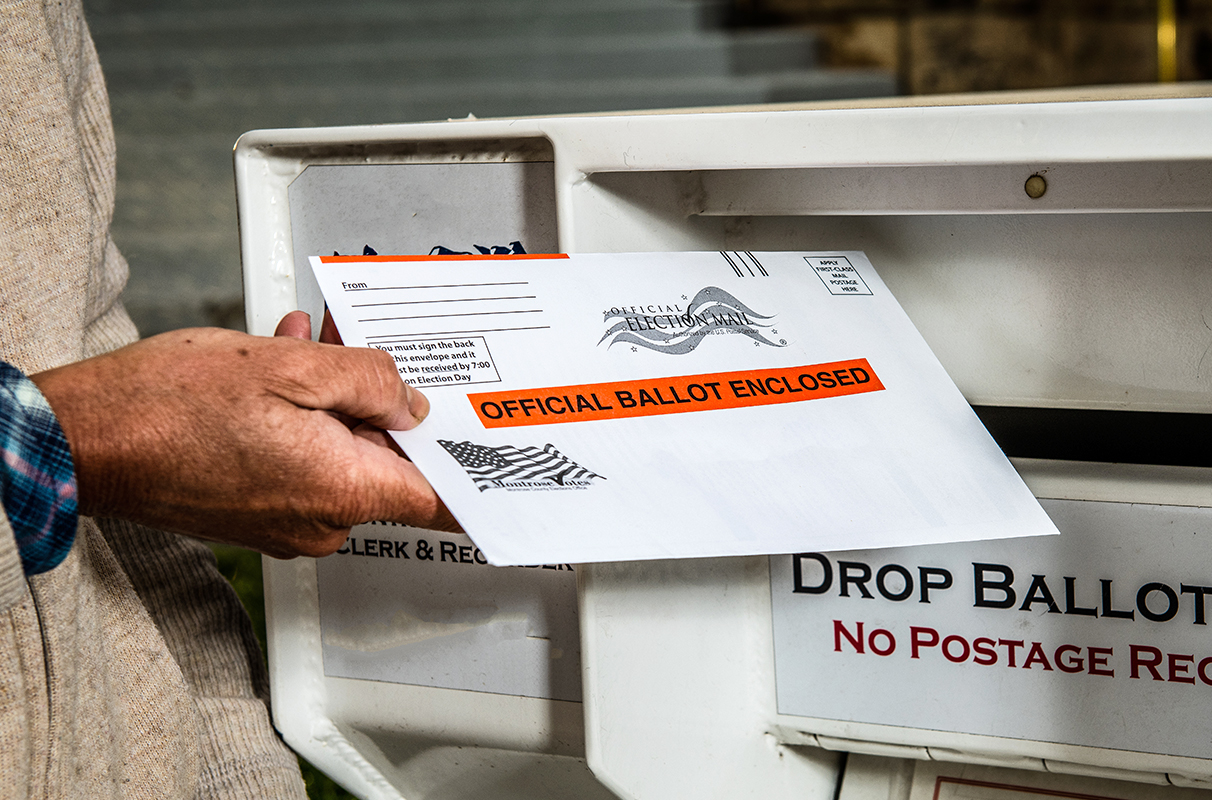
In 2026, there were 1,156 state legislative incumbents in contested primaries, representing 23% of all incumbents who filed for re-election. That tied 2012 for the second-highest percentage of contested incumbents since 2010, next to 2022 at 27%. Ballotpedia uses the number and percentage of incumbents in contested primaries to help determine the overall competitiveness of…
-
The highest number of Delaware state legislative incumbents are facing primaries at any point since 2010
Eighteen Delaware state legislative incumbents face primary contests on September 15, 2026, the most at any point since 2010. This is a 157% increase in the number of incumbents facing challengers compared to 2024. Seventeen of the contested incumbents are Democrats, and one is a Republican. Twelve are state representatives, and six are state senators.…
-
Twenty-six incumbents are running in contested primaries for the Massachusetts General Court on Sept. 1, the most since 2010
There are 26 incumbents in Massachusetts’ General Court facing primary challengers on Sept. 1. This is the most since at least 2010. All 160 seats in the Massachusetts House of Representatives and all 40 seats in the Massachusetts Senate are up for election this year. Since 2010, Democratic incumbents have made up the vast majority…
-
Seventy members of the U.S. Congress are not running for re-election this year — the most in at least 26 years
Seventy members of Congress — 11 Senators and 59 Representatives— are not running for re-election this year, the most since at least 2000 and 32% more than the 53 who did not run in 2024. These figures are likely final — 49 of 50 state filing deadlines have passed, and all members of Louisiana's Congressional…
-
Third-highest number of Minnesota state legislative incumbents retiring at any point since 2010

Forty-three Minnesota state legislative incumbents are retiring in 2026, the third-most at any point since 2010. This is a 115% increase in the number of incumbents retiring from 2024. Eighteen of the retiring incumbents are Democrats and 25 are Republicans. Twenty-six are state representatives, and 17 are state senators. Minnesota has 36 contested state legislative…
-
Sixty-nine members of the U.S. Congress have announced they will not seek re-election in 2026
Sixty-nine members of the U.S. Congress — 58 U.S. representatives and 11 U.S. senators — have announced they will not seek re-election in 2026. Since our May 19 update, one member — Rep. Frederica Wilson (D-Fla.) — announced on May 29 that she is retiring from public office. Election forecasters have rated the 2026 general…
-
Incumbent Larry Rhoden and Toby Doeden advance to first-ever primary runoff for South Dakota governor
On June 2, incumbent Larry Rhoden and Toby Doeden advanced to a Republican primary runoff on July 28. Neither received the 35% of the vote required to win the primary outright. As of June 3, Doeden received 31% of the vote, Rhoden 25%, Dusty Johnson 23%, and Jon Hansen 21%. This was the first time…
-
Two incumbents lost in Montana Senate primaries, the most in one year since 2010
Two Republican incumbents lost in the Montana Senate primaries on June 2. This was the first year since 2010 in which more than one incumbent lost in the chamber's primaries. At the start of Montana's 2025 state legislative session, nine Republican senators voted with the chamber's Democrats to change procedural rules for the session. In…
-
2.6% of state legislative incumbents have lost their primaries so far this year
So far this year, 43 state legislative incumbents—eight Democrats and 35 Republicans—have lost to primary challengers. Across the 14 states that have held primaries, 2.6% of incumbents running for re-election have lost, or 11.4% of the incumbents who were contested. That represents a 31% decrease from 2024 and sits 23% below the average of 56…
-
West Virginia sees highest share of contested state legislative incumbents since 2010 — all Republicans for second year
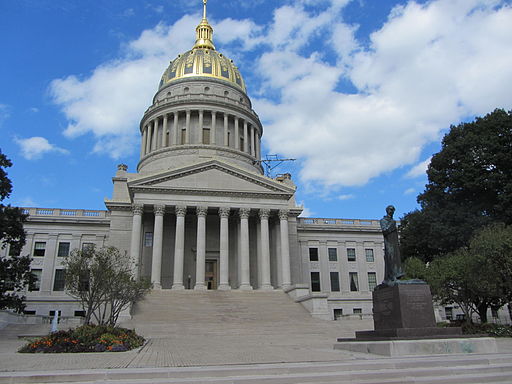
In 2026, 48.5% of the state legislative incumbents running for election in West Virginia will face primary contests, the highest share since 50.5% of incumbents faced challenges in 2010. In total, 48 incumbents face contested primaries across the West Virginia House and Senate. The average number of incumbents contested each election cycle since 2010 was…