


What's the story?
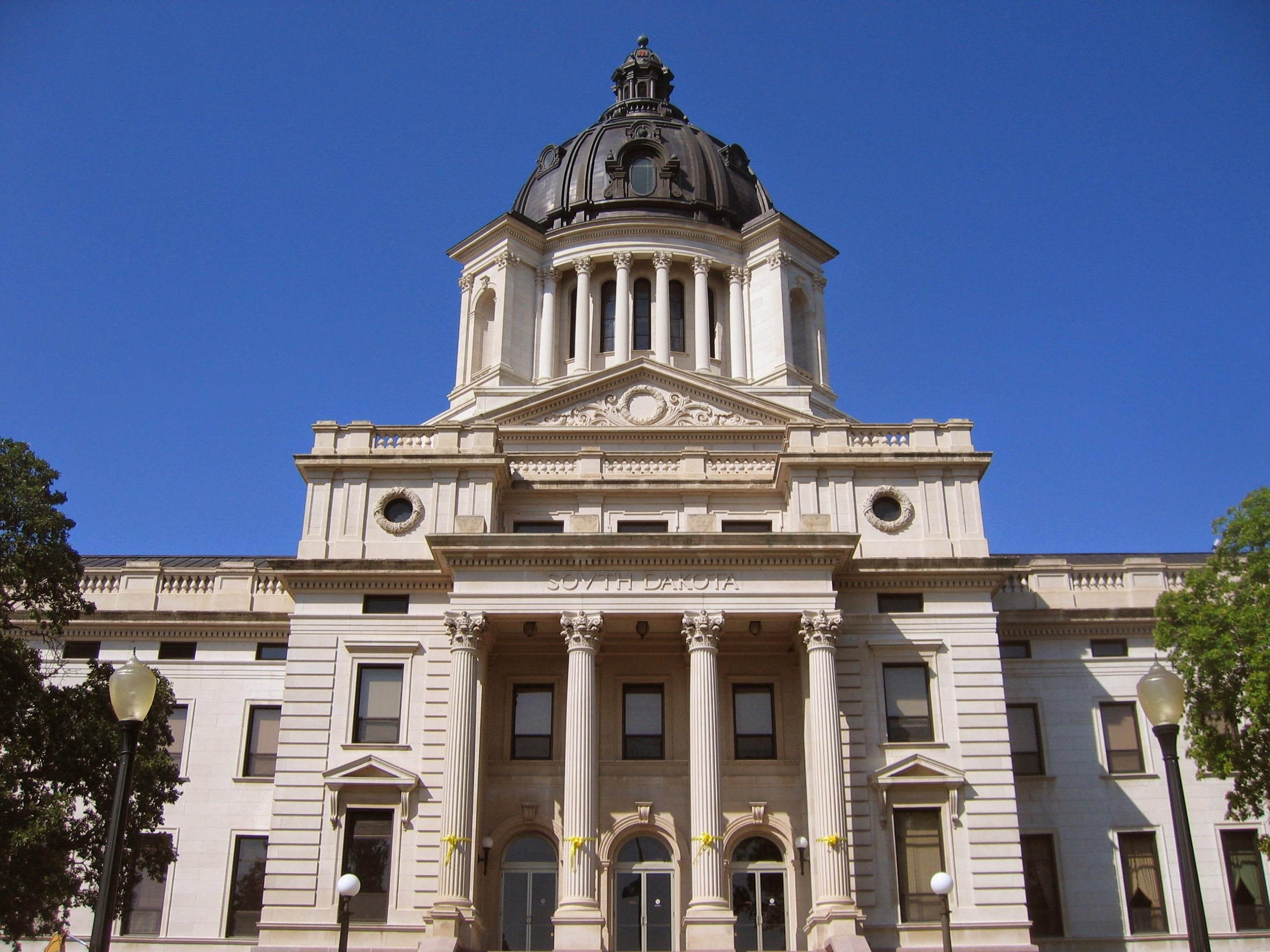
On Nov. 14, South Dakota Gov. Larry Rhoden (R) announced that the state would participate in the U.S. school choice tax credit scholarship program, which the One Big Beautiful Bill Act (OBBBA) established when President Trump (R) signed the bill into law in July. The program is a nonrefundable tax credit that allows individuals to receive federal tax credits for donations to scholarship-granting organizations (SGOs) for private or public educational expenses. States must opt into the program by submitting a list of SGOs to the U.S. Treasury.
SGOs are qualified organizations that taxpayers can donate to to receive the nonrefundable tax credit. The U.S. Treasury must issue regulations for the program and, on Nov. 26, the Internal Revenue Service (IRS) issued a notice requesting comments on proposed implementation of the program.
These states have seen activity regarding participation in the program:
- North Carolina lawmakers passed legislation saying the state would participate in the program, but Gov. Josh Stein (D) vetoed the bill on Aug. 6. Stein said the legislation was unnecessary because he would opt North Carolina into the program "[o]nce the federal government issues sound guidance."
- Nebraska Gov. Jim Pillen (R) signed an executive order to signal participation in the program.
- Governors of two states—South Dakota and Tennessee— said they would participate, but had not taken official action to opt in.
- Governors of three states—New Mexico, Oregon, and Wisconsin— said they would not participate.
What's the background?
As of Dec. 2, 25 states ran state-level tax credit or tax scholarship programs, including South Dakota. Sixteen of these states have a Republican trifecta, while seven have a divided government, and two have a Democratic trifecta. Only two states with Republican trifectas do not have any school choice programs.
There are several types of education tax credit programs, though they typically allow individuals and businesses to lower their tax liability by donating to scholarships that can be used at private schools or for other educational expenses.
SGOs are non-profit organizations that manage contributions from donors or grants for educational scholarships. They administer tax credit scholarship programs and, in some states, distribute funds for statewide education savings account (ESA) programs, which allow recipients to use government-issued funds for approved expenses. SGOs may have specific focuses, like providing students with disabilities scholarships for educational expenses. SGOs already exist in many states; some SGOs provide services in multiple states.
How does the federal tax credit scholarship program work?
The U.S. school choice tax credit scholarship is a nonrefundable tax credit, allowing individuals to receive federal tax credits for donations up to $1,700 to authorized SGOs. Individuals can lower their federal tax liability by $1 for every $1 donated to accredited SGOs. If a taxpayer donates more than $1,700, they will not receive a tax refund for the amount over $1,700. The total amount of credits the program can offer is not capped.
SGOs distribute the donated scholarship funds to eligible families, which can be used on a variety of private or public educational expenses, including private school tuition, tutoring services, and textbooks. In order to qualify for scholarships, students must live in households earning no more than 300% of the area's median gross income and be eligible to enroll in K-12 schools.
Students in states that do not opt in cannot receive scholarships funded under the program, but donors in those states can still receive a federal tax credit by donating to SGOs in participating states.
What are the arguments?
Debates about the tax credit program revolve around whether or not states should opt in and how the federal regulations should be designed.
Jorge Elorza, Chief Executive Officer of Democrats for Education Reform, said that the U.S Treasury should not impose rigid programmatic requirements that restrict the ability of SGOs to meet diverse educational needs by limiting SGOs' discretion over which qualified expenses to fund, how to distribute scholarships, and what amounts to offer.
Robert Enlow, CEO of EdChoice, said that governors should not be able to limit who can receive scholarships. He said that states should be prohibited from allowing the scholarship for public school students, but not charter or private school students.
Robert Luebke, Director of the Center for Effective Education in the John Locke Foundation, said that federal regulations must honor religious freedom and institutional autonomy, ensuring that religious schools can administer schools in ways consistent with their values and mission.
Read more arguments about the program here.
Additional reading: