

Welcome to Hall Pass, a newsletter written to keep you plugged into the conversations driving school board governance, the politics surrounding it, and education policy.
In today’s edition, you’ll find:
- On the issues: The debate over Iowa’s education savings account program
- School board filing deadlines, election results, and recall certifications
- The state elections this November that will affect K-12 policy
- Extracurricular: education news from around the web
- Candidate Connection survey
On the issues: The debate over Iowa’s education savings account program
In this section, we curate reporting, analysis, and commentary on the issues school board members deliberate when they set out to offer the best education possible in their district. Missed an issue? Click here to see the previous education debates we’ve covered.
One of the clearest examples of where K-12 education issues are showing up in this year’s midterms is in Iowa, where Democrat Rob Sand, the state’s auditor, and Republican Zach Lahn, a farmer and businessman, are running for governor. Education, particularly when it comes to the state’s universal Education Savings Account (ESA) program, has put the candidates’ differences in sharp relief.
Iowa has a Republican trifecta and hasn’t elected a Democratic governor since 2006, but polling suggests the race is competitive.
Like nearly all Republican-led states, Iowa enacted a private school choice program in the form of ESAs that provides government funding — $8,148 during the 2026-27 school year — to eligible students for a variety of educational expenses, including private school tuition. Iowa’s program is open to all non-public school students regardless of family income. Sand has called for tightening regulations and implementing income limits on the ESA program, while Lahn says the program allows parents to make the best educational choice for their children.
Kim Reynolds (R), the state’s current governor, isn’t running for re-election. The Iowa gubernatorial election is one of 10 gubernatorial battlegrounds Ballotpedia has identified. Click here to learn more about Iowa’s gubernatorial race, including the key issues on which Sand and Lahn are campaigning, the latest campaign finance reports, polling numbers, and much more.
Last summer, the Iowa Newspaper Association (INA) published Sand’s and Lahn’s dueling perspectives on the ESA program. A summary of their arguments, and excerpts from their writings, are found below.
Rob Sand says Iowa’s ESA program diverts money from public schools, does not require private schools accepting the funding to admit students with disabilities or justify tuition hikes, and mostly benefits wealthier families. Sand questions the term “school choice” that proponents use to describe the program, saying students in rural areas typically lack meaningful private school options. Sand says private schools that receive ESA funding should have to follow the same rules as public schools. He says he supports annual audits of how the ESA funding is being used, limits on tuition increases in schools benefitting from the ESA program, and income limits on who can benefit from the ESA funding.
Zach Lahn says criticisms of the ESA program are a distraction from the question of how to improve public education. He says families don’t have to choose between excellent public schools and the ESA program, and that the goal is for kids to receive a high-quality education, no matter where that occurs. The ESA program, Lahn says, gives parents more options, allowing them to seek out the schools that are the best fit for their children. He says the challenges facing Iowa’s public schools, which he says have fallen in national rankings of student outcomes since the 1990s, long predate the ESA program. Lahn calls for more public school innovation, a greater focus on fundamentals like reading, writing, and math, less emphasis on standardized testing, and apprenticeships to give students real world experience.
Protecting Iowa Public Schools and Tax Dollars | Rob Sand, Iowa Newspaper Association
“As it stands, the private school voucher system requires no accountability over how tax money is being spent. There are no audits to check. There are no limits on raising tuition, meaning that private schools can hike costs and make tuition as unaffordable as it was without the voucher, boosting their own bottom lines and once again blocking Iowa families from being able to afford it. There are no income limits, meaning the wealthiest Iowans are getting the same $7,500 per kid to send them to the schools they would most likely already send them to than low income or middle-class families.
“This year alone, the voucher program was estimated to cost $350 million in tax dollars. That’s money meant for our public schools being diverted to this unaccountable program. A report found that 80 percent of that money went to children that the Reynolds administration estimated would have been in private school anyway; meaning 80 percent of “school choice” funding isn’t giving a choice to anyone who didn’t already have it. As we face down a nearly $1.4 billion budget deficit, and as funding for our public schools is already not keeping up with inflation, we’re not in a position to turn a blind eye to the misuse of tax dollars.”
School Choice: A Fundamental Freedom | Zach Lahn, Iowa Newspaper Association
“The Democrats like to frame this issue as though parental tax dollars belong to the Government–that any attempt by parents to take their kids to a better school is somehow robbing public schools. That’s false.
“Our goal as Iowans should always be to promote excellence in education, whether that’s at a public school or a private school–It just so happens that we can do both.
“The discussion around ESAs in Iowa needs to end the politics and prioritize the children. This is a distraction from the real issue, which is the decline of Iowa’s public education system that began before ESAs even existed. Attributing the failings of public education to ESAs is an attempt to divert attention from decades of decline.”
School board update: filing deadlines, election results, and recall certifications
In 2026, Ballotpedia will cover elections for more than 30,000 school board seats. We’re expanding our coverage each year with our eye on covering the country’s more than 80,000 school board seats.
Upcoming school board elections
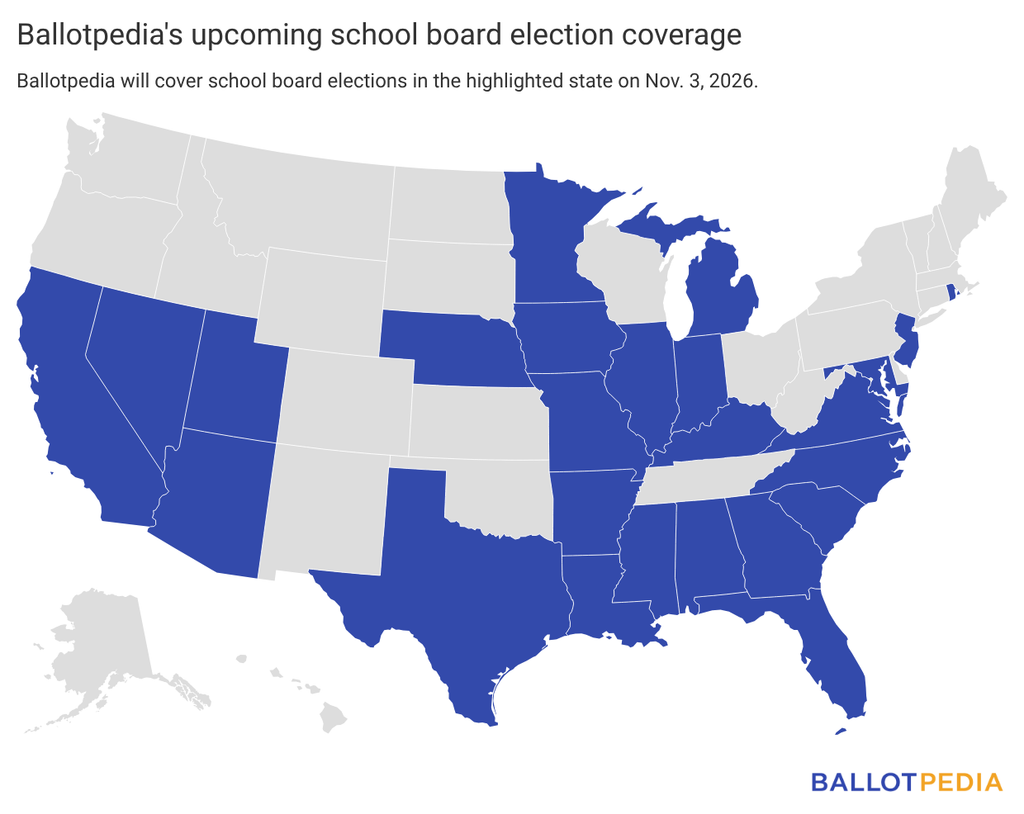
Ballotpedia will cover school board elections in 25 states on Nov. 3.
The state elections this November that will affect K-12 policy
Education is on the ballot this November, both literally and figuratively. In previous editions (see here, here, and here), we’ve looked at the ballot measures that directly address K-12 education. Today, we’re looking at the state elections — gubernatorial, state legislative, and education-related — through which voters will indirectly shape their state’s education policies.
If you want to see what’s on your ballot on Nov. 3, click here to view your Sample Ballot.
Gubernatorial elections
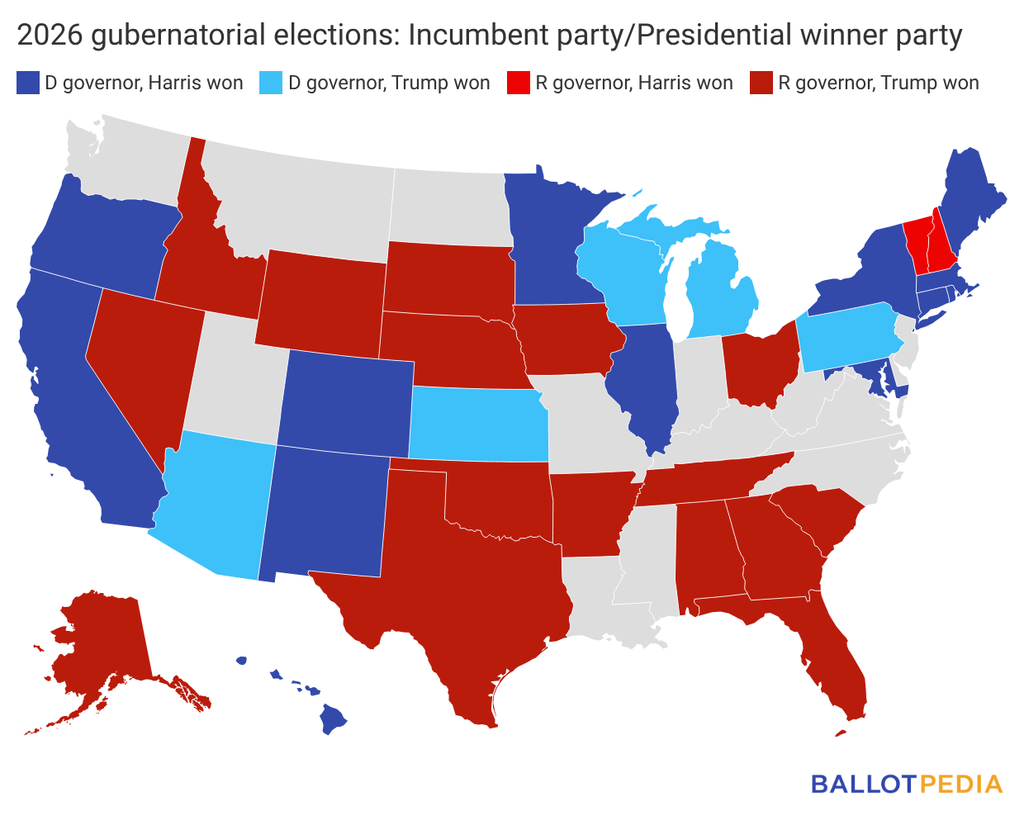
In 36 states this year, voters will choose a governor. Republicans and Democrats each hold 18 of the offices up for election. Fifteen incumbent governors are term-limited. Of those, six are Democrats and nine are Republicans. The map below shows in which states voters will elect governors and how each state voted in the 2024 presidential election.
As the chief executive of each state, governors implement state laws and manage the executive branch of the government, but they also propose the state budget and use — or threaten to use — their veto power to influence appropriations. In the first half of each year, governors lay out their policy priorities in annual reports to lawmakers, most commonly referred to as state of the state addresses. Education figured prominently in many of those speeches this year.
Governors can also direct resources toward addressing education issues through executive orders. This year, for example, Alabama Gov. Kay Ivey (R) signed an order establishing the Governor’s Commission on Screen-Based Instruction, which is tasked with studying screen-based learning and making recommendations about the role of screens in classrooms. In Connecticut, Gov. Ned Lamont (D) in April established the Governor’s Blue-Ribbon Commission on K-12 Education Funding and Accountability to study the state’s school funding formula and make recommendations. According to the announcement from the governor’s office, “The commission is required to look at the landscape of educational funding in Connecticut, any relevant models from other states, the primary cost drivers impacting Connecticut school districts, and proven strategies for delivering K-12 education that have resulted in improved outcomes and student success in Connecticut.”
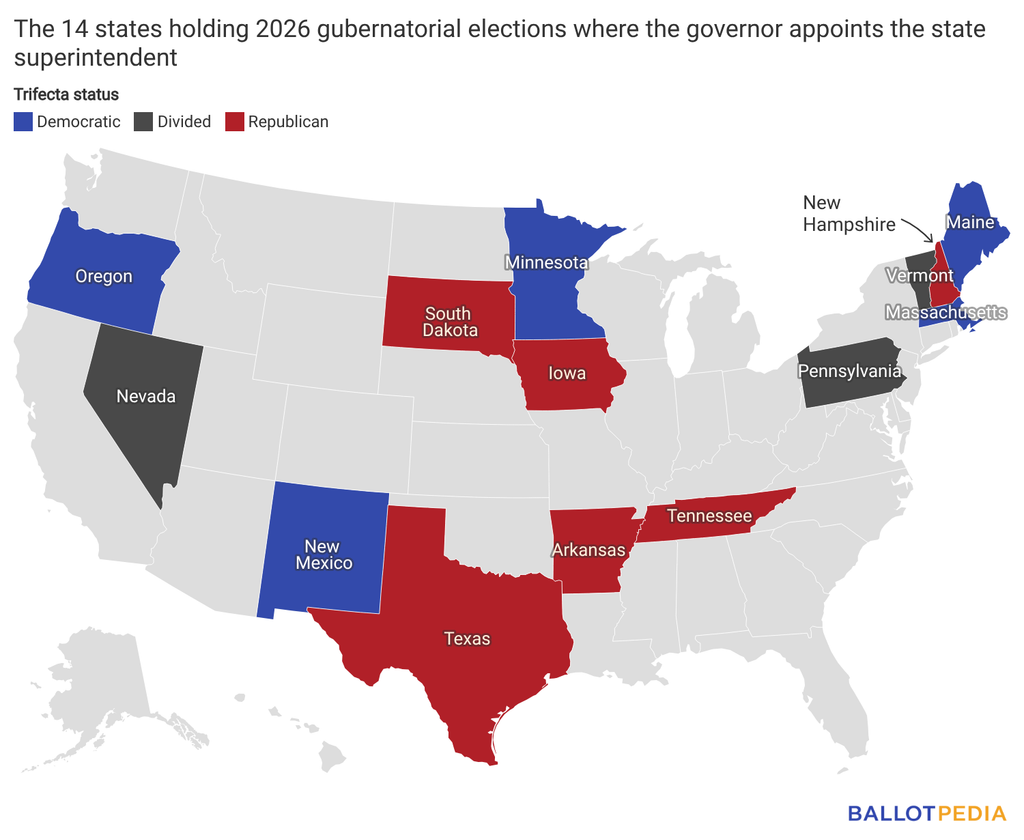
In addition to influencing the budgetary process and implementing laws, most governors play a role in appointing the state officials who oversee K-12 public education. In 18 states, including 14 of the 36 holding gubernatorial elections, the governor appoints the chief state school officer. In 38 states, according to the National Association of State Boards of Education (NASBE), the governor appoints some or all members of the state board of education, typically with senate approval. Twenty-six of the 36 states holding gubernatorial elections on Nov. 3 fall into this category.
Since the enactment of the One Big Beautiful Bill Act in July 2025, governors have taken on the additional responsibility of deciding whether their states will participate in the new Federal Scholarship Tax Credit program, which goes into effect Jan. 1, 2027. The program allows taxpayers to receive federal tax credits for donations up to $1,700 to authorized scholarship-granting organizations (SGOs). Those SGOs, in turn, distribute the donations to eligible students for a variety of education-related expenses, including private school tuition. According to the law, governors — or any other individual or agency authorized to make decisions on behalf of the state about federal tax benefits — decide whether the state will participate. Taxpayers in any state can donate to SGOs, but only students in states that have opted into the program can receive the scholarships.
Of the 31 states that have completed an advance election form opting into the program, 20 hold gubernatorial elections in November. Three Democratic trifecta states and 23 Republican trifecta states have opted in. Five states with divided governments have also elected to participate.
State legislative elections
K-12 education spending is among the largest line items in most state budgets, and the country’s 7,386 state lawmakers control the purse strings. Additionally, lawmakers write the laws that shape and define the education system. When legislative sessions begin each year, K-12 education is always a major topic.
Voters in 46 states will decide elections for thousands of lawmakers across 88 state legislative chambers. Across all 99 chambers, Republicans hold 55% of seats, while Democrats hold 44%.
Of the 88 chambers holding elections, 18 are battlegrounds, where there’s the potential for a shift in party control. Republicans control 10 of those battleground chambers and Democrats control five.
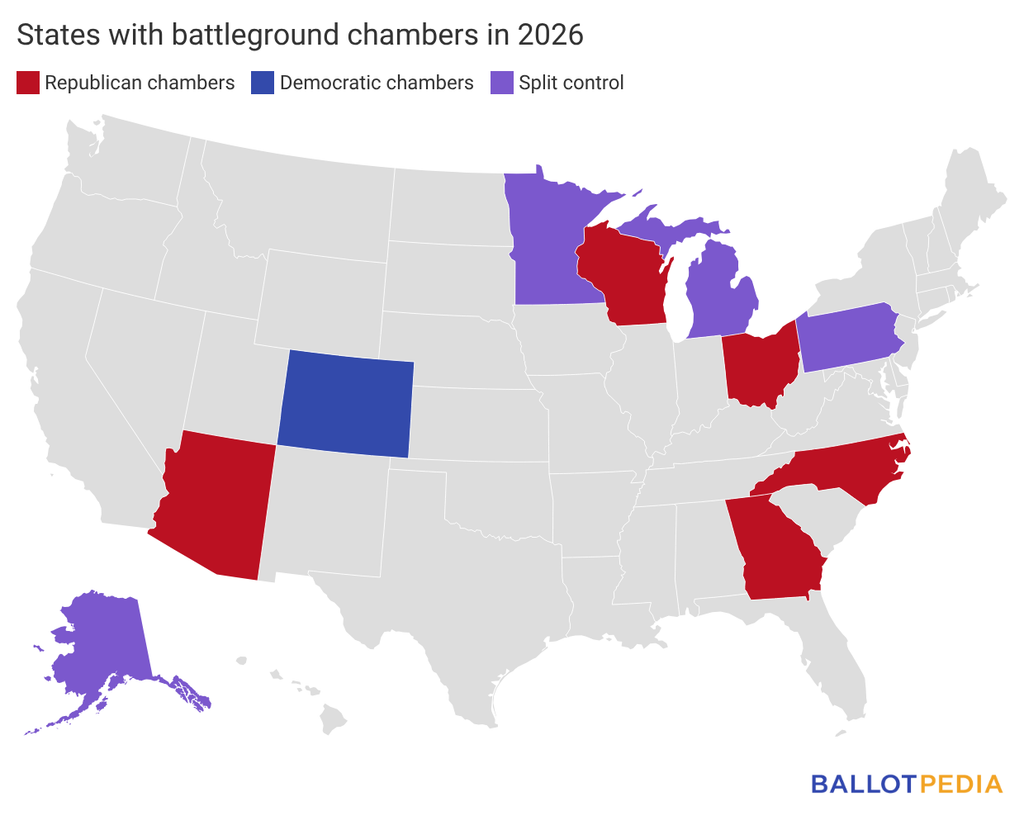
Louisiana, Mississippi, New Jersey, and Virginia are the only states that aren’t holding legislative elections this year.
State boards of education elections
Voters in seven states and Washington D.C. will elect new state board of education members this year. In these states, the governor plays no role in appointing members.
According to the NASBE, state boards across the country share the following responsibilities: “(1) authority for adopting and revising policies that promote educational excellence and equity, (2) convening experts and stakeholders to serve as a bridge between policymakers and citizens, and (3) the power to raise questions as the citizens’ voice in education.”
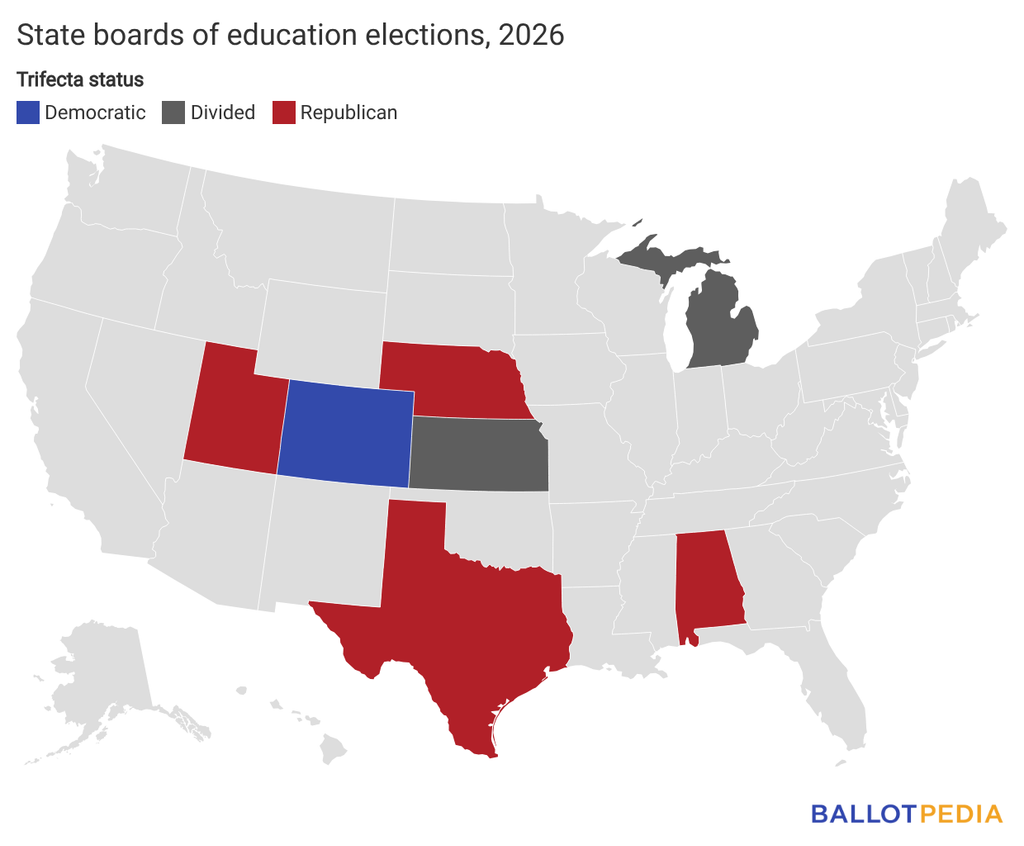
- Alabama: Voters will elect four of the nine members of the board. Going into the election, Republicans hold seven of the seats and Democrats hold two.
- Colorado: Voters will elect three of the nine members. Democrats hold five seats and Republicans hold four.
- Kansas: Voters will elect five of the 10 members. Republicans hold seven seats and Democrats hold three.
- Michigan: Voters will elect two of the eight members. Democrats hold six seats and Republicans hold two (the two up for election this year).
- Nebraska: Voters will elect four of the eight members. The Nebraska State Board of Education is officially nonpartisan.
- Texas: Voters will elect eight of the 15 members. Republicans hold 10 of the seats and Democrats hold five.
- Utah: Voters will elect eight of the 15 members. Republicans hold 13 seats and Democrats hold two.
Across all seven states and D.C., 38 seats are up for election.
Chief state school officer elections
The chief state school officer is known as the superintendent of public instruction or the superintendent of education (or schools), depending on the state. But in each case, the chief state school officer generally oversees the public school system and directs the state department of education.
This year, voters in eight states — Arizona, California, Georgia, Idaho, North Dakota, South Carolina, Oklahoma, and Wyoming — will decide elections for chief state school officer. Offices in Arizona, Georgia, Idaho, Oklahoma, and South Carolina are partisan, and they are held by Republicans. In California, North Dakota, and Wyoming, the offices are officially nonpartisan.
In May, we previewed California’s nonpartisan primary for California Superintendent of Public Instruction. Two candidates, Richard Barrera and Sonja Shaw, advanced to the Nov. 3 election. Barrera is a Democrat and president of the San Diego Unified School District school board, while Shaw is a Republican and president of the Chino Valley Unified School District school board.
The election is noteworthy in part because in July, California Gov. Gavin Newsom (D) signed AB 181, a law that restructures the state’s K-12 education governance model. While the state superintendent once oversaw the California Department of Education, the office will assume a more evaluative role when the law fully takes effect in 2027, monitoring education programs on behalf of voters and serving as a liaison to California’s lawmakers. A governor-appointed education commissioner will oversee the Department of Education going forward. Click here to read our deep dive into AB 181.
Both Barrera and Shaw opposed AB 181.
As in Iowa’s gubernatorial election, which we highlighted in the On the Issues section at the top of this newsletter, candidates in many chief state school elections are debating private school choice programs. In Arizona, for example, Democrat Teresa Leyba Ruiz says she supports adding more regulations and an income cap to the state’s ESA program. Republican candidate Kimberly Yee says she supports some additional guardrails but opposes an income cap.
Superintendent candidates in Idaho, Oklahoma, South Carolina, Wyoming, and elsewhere are also talking about private school choice.
The chief state school officer is an elected office in 12 states. In most states, the state board of education or the governor appoints the chief state school officer.
Extracurricular: education news from around the web
This section contains links to recent education-related articles from around the internet.
- Missouri education chief resigns amid controversy over A-F ratings for public schools | Missouri Independent
- As a new school year begins, teachers are once again struggling to support children whose lives are upended by immigration police | The Hechinger Report
- Lies, Damn Lies, and Statistics: Why Rising Graduation Rates May Not Be Good News | The 74
- Can the new federal voucher program help public schools? Democrats are torn | NPR
- What Could a Blue Wave Mean for School Choice? | Education Week
- How Are New York's Public Schools Approaching AI? | Government Technology
Take our Candidate Connection survey to reach voters in your district
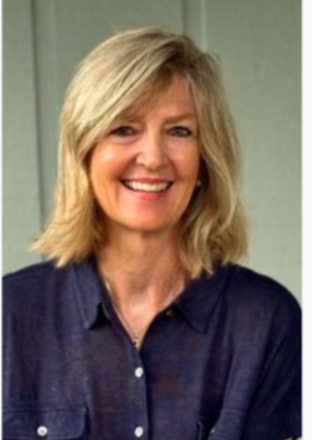
Today, we’re looking at candidates running in the Nov. 3 general election to represent Area 4 on the Anderson School District 4 school board, in South Carolina. Anna Leavitt, Dustin Williams, and Brandon E. Bailey are running in the election, though only Leavitt and Williams had completed the survey as of this writing.
Three seats are up for election this November.
Anderson School District 4 is located in northwest South Carolina, near the city of Greenville. During the 2025 school year, 3,076 students attended one of the district's six schools. It is the 53rd largest in the state.
As a reminder, if you're a school board candidate or incumbent running this year, click here to take the survey. There’s still time to get your responses on your Ballotpedia profile before Election Day! Your responses will also appear in our sample ballot. If there is an election in your community, share the link with your candidates and urge them to take the survey!
Leavitt's career experience includes working as a physician. Here’s how she answered the question, “What are the main points you want voters to remember about your goals for your time in office?”
- “Prioritize students- Prioritize identifying and meeting the needs of every student so that we fulfill the shared vision of District 4.
- Encourage public involvement and support- Actively engage members of the public and listen thoughtfully to concerns and ideas, with the goal of strengthening our community's commitment to our public schools.
- Promote transparency and accountability- Ensure transparency and accountability to the public in all areas, including safety, financial stewardship and performance of students, faculty, staff, administration and board.”
Click here to read the rest of Leavitt’s responses.
Williams’ career experience includes working in the military. Here’s how he answered the question, “What are the main points you want voters to remember about your goals for your time in office?”
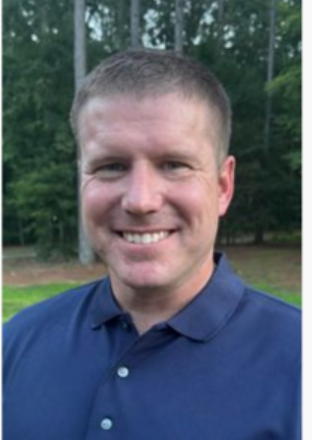
- “As a parent, I believe our classrooms must remain focused on what matters most: reading, writing, mathematics, science, and civics. Students deserve classrooms that minimize distractions and provide the foundation they need to succeed in college, pursue high-paying careers, and become productive members of our community.
- I also believe parents must have a meaningful role in their children’s education. Parents are partners in their children’s success, and parental rights must be respected and protected.
- There are important conversations that parents should have with their children. Schools should respect the role of parents and work alongside families—not undermine their ability to guide their children.
- As a candidate for Anderson School District 4 Area 4 Board of Trustees, I believe we can maintain high academic expectations, respect families, and keep students’ educational success at the center of our decisions.”
Click here to read the rest of Williams’ responses.