


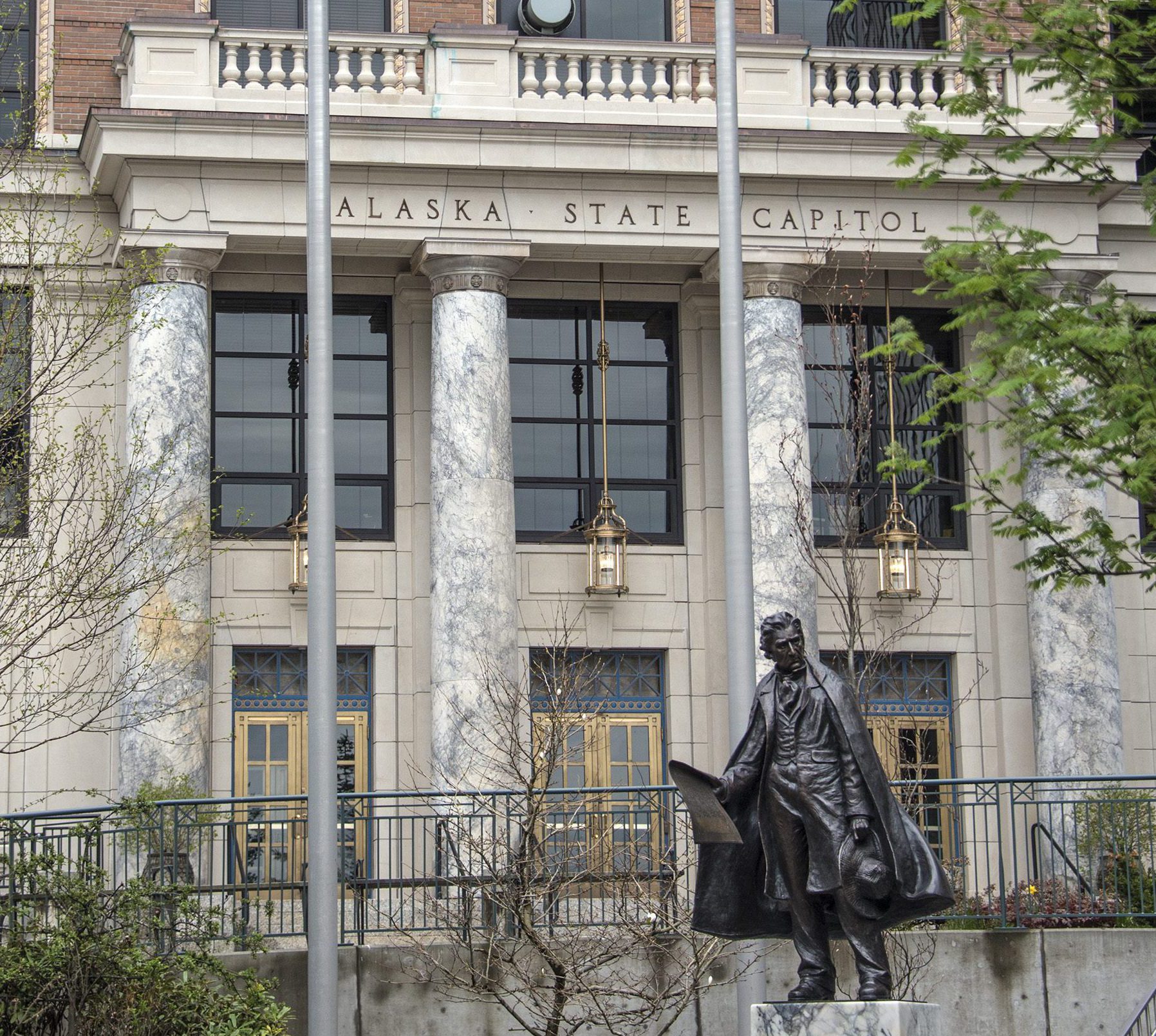
The bipartisan governing coalition maintained control of the Alaska House of Representatives in the general election on November 3, 2026. All 40 seats were up for election.
Alaska state representatives formed bipartisan governing coalitions after every election between 2016 and 2024. Although Republicans won a majority of seats in all five of those elections, the only bipartisan coalition that was majority-Republican was the one formed after the 2022 elections. The coalition that formed after the 2024 elections included all 14 Democrats, all five independents, and two of 21 Republicans. As of November 18, 2026, the size of the new bipartisan coalition was yet to be determined.
Ballotpedia identified 15 of the 40 House districts as battlegrounds. Twelve of those districts had incumbents in the Republican minority caucus. The incumbents in the other three districts were members of the governing coalition. All but two incumbents in battleground districts ran for re-election. The 15 battleground districts included five where a challenger had, as of September 17, 2026, outraised the incumbent, and two where the incumbent placed second in the top-four primary.
The general election used ranked-choice voting, a system where voters may rank candidates on their ballots by preference rather than vote for a single candidate. All candidates running for a given legislative seat participated in the same primary regardless of their partisan affiliation. The top four finishers advanced to the general election. General election voters could have voted for a single candidate or ranked up to four candidates in preference order. Alaska voters approved the use of top-four primaries and ranked-choice voting in general elections via a 2020 ballot measure.
The Alaska House elections could have changed the state's trifecta status. Alaska had, as of the 2026 elections, a divided government, with neither party holding a trifecta. Gov. Mike Dunleavy was a Republican. Both legislative chambers had a numerical Republican majority. Bipartisan coalitions controlled both chambers. In addition to all 40 seats in the state house, elections were also held for governor and 10 of 20 seats in the state senate. If one party had won all three elections, that party would have gained a trifecta. At the time of the 2026 elections, there were 23 Republican trifectas and 16 Democratic trifectas nationwide.