

Welcome to Hall Pass, a newsletter written to keep you plugged into the conversations driving school board governance, the politics surrounding it, and education policy.
In today’s edition, you’ll find:
- On the issues: The debate over Idaho’s education tax credit program
- School board filing deadlines, election results, and recall certifications
- These 2026 state elections will shape K-12 education policy
- Extracurricular: education news from around the web
- Candidate Connection survey
Reply to this email to share reactions or story ideas!
On the issues: The debate over Idaho’s education tax credit program
In this section, we curate reporting, analysis, and commentary on the issues school board members deliberate when they set out to offer the best education possible in their district. Missed an issue? Click here to see the previous education debates we’ve covered.
On Jan. 23, the Idaho Supreme Court will hear oral arguments in a case about whether Idaho’s new education tax credit program, officially known as the Idaho Parental Choice Tax Credit, violates the state constitution.
Gov. Brad Little (R) signed the program (HB 93) into law in 2025, and it began accepting applications on Jan. 15, 2026. Idaho was one of three states, along with Tennessee and Texas, that created new private school choice programs in 2025.
The program provides up to $50 million annually in refundable tax credits that families can use on educational expenses outside the public school system, including private school tuition and tutoring. Families can receive up to $5,000 per eligible student and up to $7,500 per student with a disability. There are no income caps, but the program prioritizes families making up to 300% of the federal poverty level (which comes to $99,000 for a family of four in 2026) when applications exceed the $50 million annual funding cap.
On Sept. 17, 2025, the Idaho Education Association (IEA), the state’s largest public-sector labor union, the Moscow School District, and other groups sued to stop the state from implementing the Idaho Parental Choice Tax Credit.
Let’s look at arguments from a critic and a supporter of the program.
State Rep. Stephanie Mickelsen, a Republican first elected to the Idaho House of Representatives in 2022 who signed onto the IEA’s lawsuit, says the Idaho Parental Choice Tax Credit redirects government funding from the constitutionally mandated public education system to unaccountable private schools. She argues the program disproportionately benefits families in urban areas, where most private schools are located, and is likely to become more expensive over time. Mickelsen says the legislature should instead focus its efforts on working with parents and other stakeholders to find creative solutions for public schools, like training teachers on evidence-based classroom practices and new literacy efforts.
Mountain States Policy Center President Chris Cargill says it is a misreading of the Idaho Constitution to claim it precludes the legislature from funding educational opportunities outside of the public school system. Cargill argues that because the Idaho Parental Choice Tax Credit is funded separately from the public school budget, the claim that it drains education funding is only true in the sense that any government spending not earmarked for education drains education funding. Cargill says the Idaho Supreme Court should recognize that plaintiffs filed their lawsuit late in the year in order to create uncertainty around the program and deter families from signing up for it.
HB 93 is especially harsh on rural communities | State Rep. Stephanie Mickelsen (R), Idaho Ed News
“The Idaho Constitution could not be clearer. Article IX, Section 1 directs the Legislature to ‘establish and maintain a general, uniform and thorough system of public, free common schools.’ HB 93 does the opposite. As a legislator representing Idaho Falls, my vote against vouchers during the legislative session couldn’t have been easier. Why would I even entertain the idea of pulling $50 million from our general fund to pay for completely unaccountable and fiscally irresponsible tax credits?”
“Unlike public schools, which are heavily regulated because they are paid for by taxpayers, the private schools that will benefit from HB 93 face virtually no oversight. No mandatory background checks for staff. No certification for teachers. No accreditation. No curriculum reviews. No spending reports. No report cards. And no obligation to accept every child, regardless of ability, income, race or religion.”
“Can you imagine if we held our public schools to the same dismally low standard? Yet voucher proponents call this educational ‘freedom.’ What they really mean is freedom from responsibility for the 95 percent of Idaho children who attend our public schools.”
Six things to watch: Friday’s Idaho Supreme Court hearing on parental choice tax credit | Chris Cargill, Idaho Ed News
“Article IX, Section 1 exists to guarantee Idaho maintains a ‘general, uniform and thorough system of public, free common schools.’ It does not say public schools must be the only form of education allowed to exist, and it certainly does not say the state is constitutionally forbidden from helping families who choose alternatives.
Petitioners want the Court to transform a constitutional floor into a constitutional ceiling—freezing education policy in place and forbidding innovation, parental choice, or supplemental support.
And once you accept that ceiling, the consequences don’t stop with one program. You’ve effectively constitutionalized a monopoly. Any future attempt to help students outside the public system becomes suspect simply because it is not part of the single system petitioners prefer.”
…
“The Idaho Constitution does not say: if lawmakers offer families a tax credit, then private schools must be regulated like public schools. Petitioners want the Court to impose that rule anyway—essentially announcing that Idaho may only support educational choice if it first transforms private institutions into state-supervised agencies.
That would create a chilling doctrine where any education reform can be killed in court with the same script: ‘Not enough oversight. Not enough regulation. Therefore unconstitutional.’”
School board update: filing deadlines, election results, and recall certifications
In 2025, Ballotpedia will cover elections for more than 30,000 school board seats. We’re expanding our coverage each year with our eye on covering the country’s more than 80,000 school board seats.
Below is a look at the upcoming elections in the first part of this year.
Upcoming school board elections
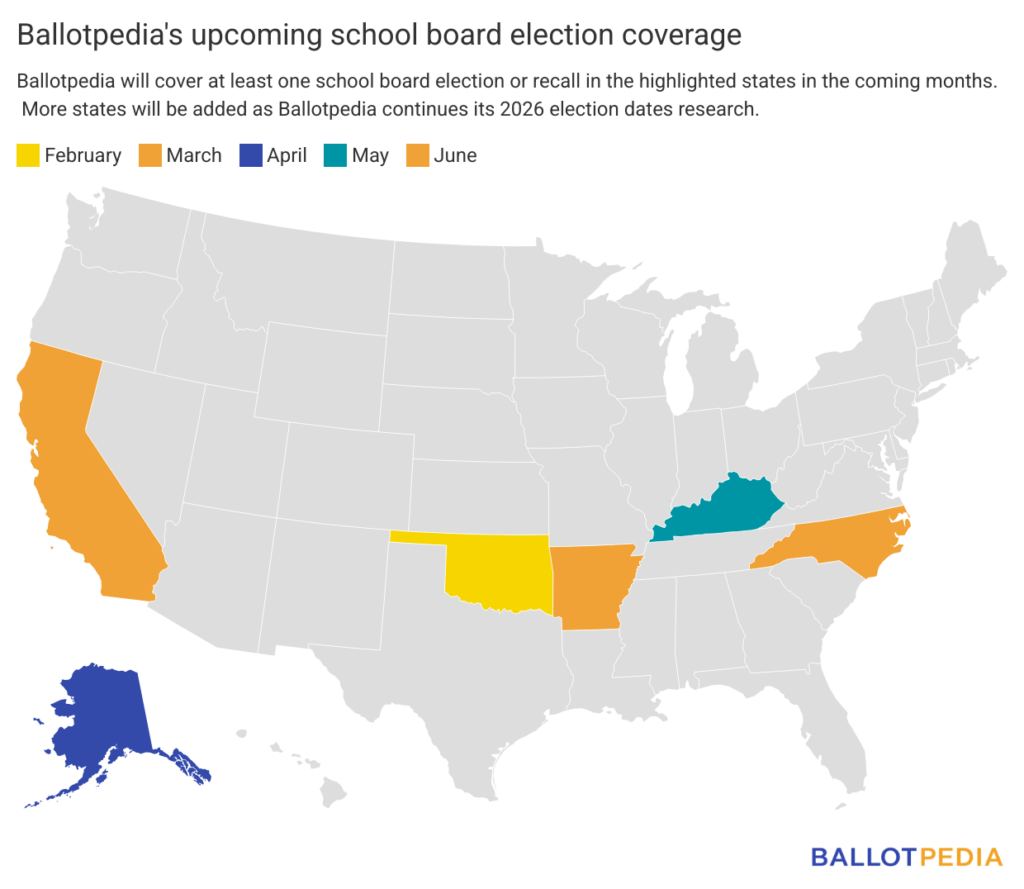
- Oklahoma: School districts across the state will hold primaries on Feb. 10 and general elections on April 7. In Oklahoma, elections are canceled if only one candidate runs for a seat. If there are two candidates, the primary is canceled and both advance to a general election. If there are more than two candidates, a candidate can win the primary outright with more than 50% of the vote. When that doesn’t happen, the two top vote-getters advance to the general.
- Arkansas: Ballotpedia will cover general elections for all seven of the seats on the Little Rock School District school board on March 3. Little Rock School District is the second largest in the state, with roughly 21,000 students.
- North Carolina: Ballotpedia will cover elections for several districts, including Guilford County Schools and Union County Public Schools, on March 3.
Click here to learn more about 2026 school board elections.
These 2026 state elections will shape K-12 education policy
Governors, state legislators, and both appointed and elected state education officials are the key drivers of state education policies. Not only do state governments determine funding formulas and provide the greatest share of funding to schools, they also define the accountability systems and standardized assessments that shape what gets prioritized in the classroom, set graduation requirements, regulate teacher certification standards, and enact laws that govern everything from student cellphone usage to charter schools and school choice more broadly.
In 2026, voters in most states will go to the polls to decide elections for many of those positions. Even when candidates in midterm elections are not running primarily on education issues, the decisions voters make in the voting booth this year will nevertheless shape education policy for the foreseeable future — or at least until the next round of elections.
Let’s take a look at the state elections that will influence K-12 education policy in 2026. In the coming months, as candidates declare for primaries, we’ll have more coverage of specific races in which education issues feature prominently.
Gubernatorial elections
Voters in 36 states — Alabama, Alaska, Arizona, Arkansas, California, Colorado, Connecticut, Florida, Georgia, Hawaii, Idaho, Illinois, Iowa, Kansas, Maine, Maryland, Massachusetts, Michigan, Minnesota, Nebraska, Nevada, New Hampshire, New Mexico, New York, Ohio, Oklahoma, Oregon, Pennsylvania, Rhode Island, South Carolina, South Dakota, Tennessee, Texas, Vermont, Wisconsin, and Wyoming — will elect a governor in 2026.
As the chief executive of each state, governors implement state laws and manage the executive branch of the government, but they also propose the state budget and use — or threaten to use — their veto power to influence appropriations. In the first half of each year, governors lay out their policy priorities in annual reports to lawmakers, most commonly referred to as state of the state addresses. Education issues almost always figure prominently in the speeches.
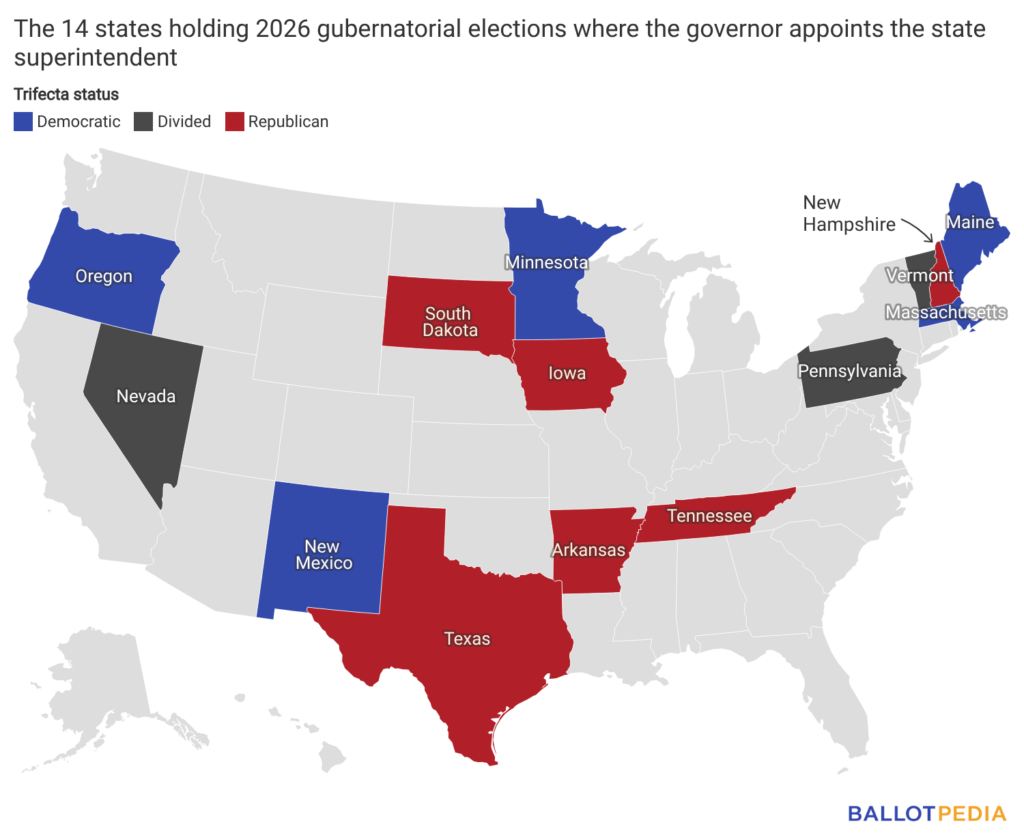
In addition to influencing the budgetary process and implementing laws, most governors play a role in appointing the state officials who oversee K-12 public education. In 18 states, the governor appoints the chief state school officer. In 14 of the 36 states holding gubernatorial elections, the governor appoints the chief state school officer. In 35 states, the governor appoints some or all members of the state board of education, typically with senate approval. Thirty-one of the 36 states holding gubernatorial elections fall into this category.
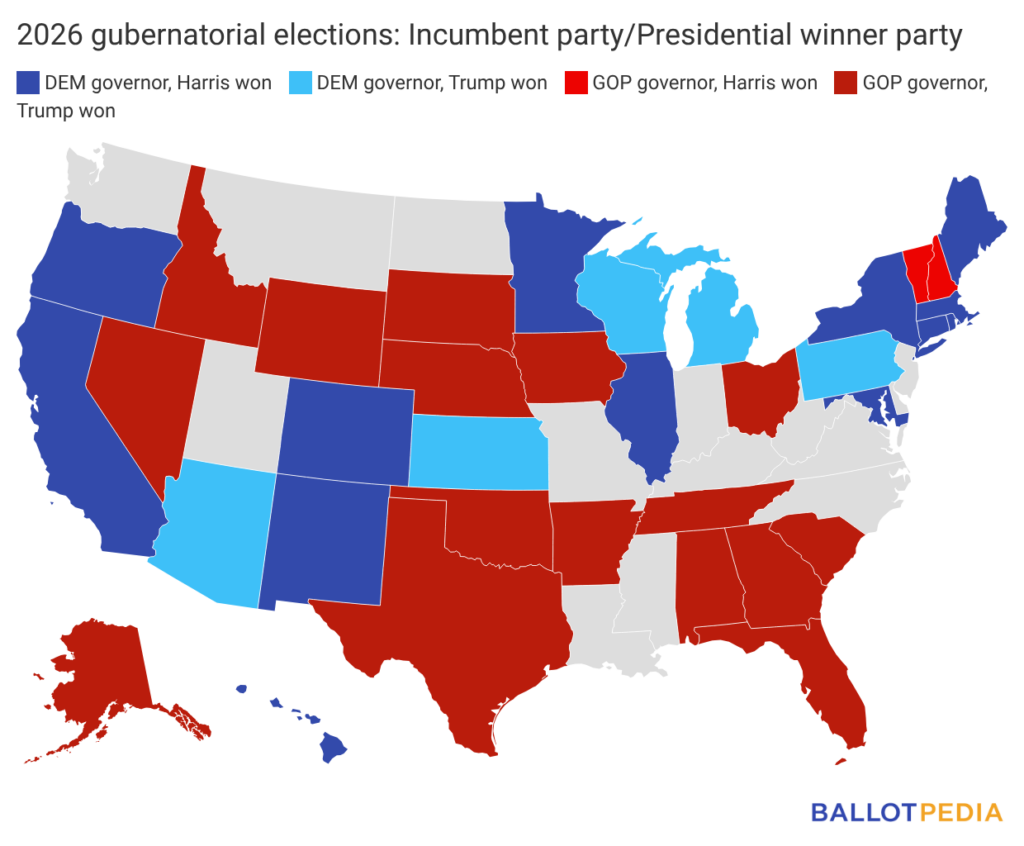
Democrats and Republicans each hold 18 of the governor’s offices up for election this year. Fifteen incumbent governors are term-limited. Of those, six are Democrats and nine are Republicans. The map below shows in which states voters will elect governors and how each state voted in the 2024 presidential election.
State legislative elections
K-12 education spending represents one of the largest line items in most state budgets, and the country’s 7,386 state lawmakers control the purse strings. Additionally, lawmakers write the laws that shape and define the education system. When legislative sessions begin each year, K-12 education is always a hot topic, and you can expect the education-related standing committees to begin considering, debating, and advancing education bills.
Voters in 46 states will decide elections for thousands of lawmakers across 88 state legislative chambers. Across all 99 chambers, Republicans hold 55.1% of seats, while Democrats hold 43.79%.
Louisiana, Mississippi, New Jersey, and Virginia are the only states that aren’t holding legislative elections this year.
State boards of education elections
According to the National Association of State Boards of Education, state boards across the country share the following responsibilities: “(1) authority for adopting and revising policies that promote educational excellence and equity, (2) convening experts and stakeholders to serve as a bridge between policymakers and citizens, and (3) the power to raise questions as the citizens’ voice in education.” Specific duties and powers, however, vary by state.
Voters in eight states — Alabama, Colorado, Kansas, Michigan, Nebraska, Ohio, Texas, and Utah — and Washington D.C. will elect new state board of education members.
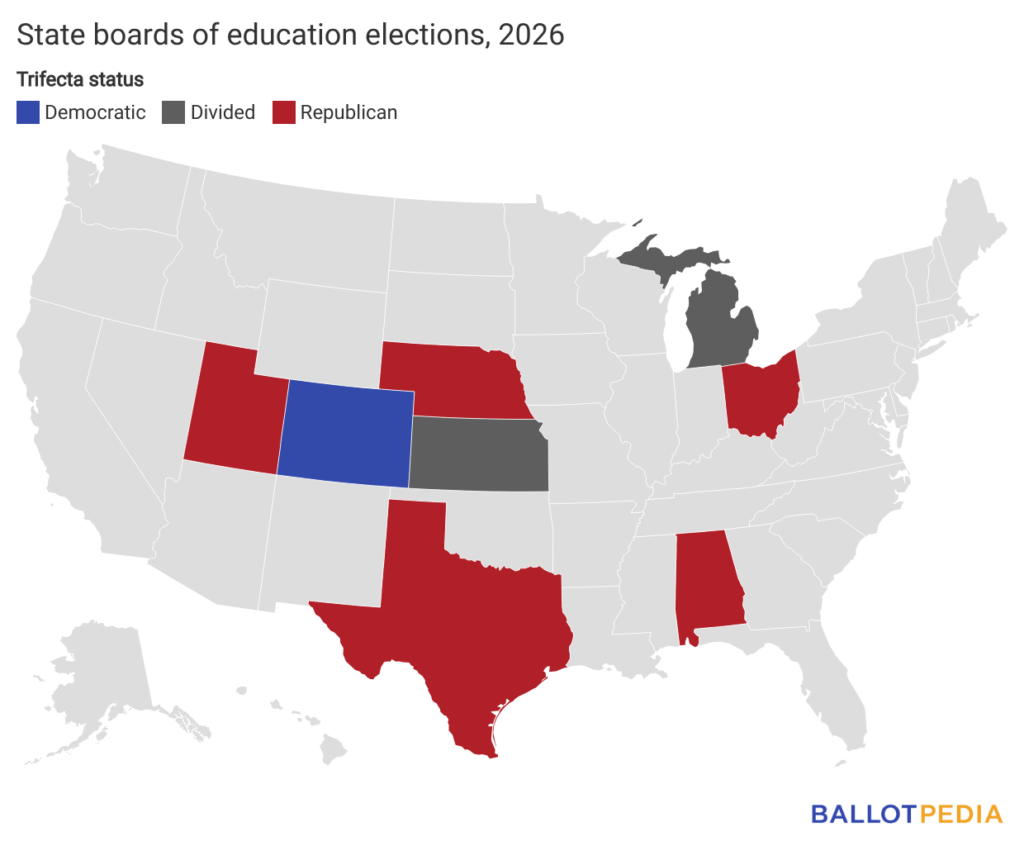
- Alabama: Voters will elect four of the nine members of the board. Going into the election, Republicans hold seven of the seats and Democrats hold two.
- Colorado: Voters will elect three of the nine members. Democrats hold five seats and Republicans hold four.
- Kansas: Voters will elect five of the 10 members. Republicans hold seven seats and Democrats hold three.
- Michigan: Voters will elect two of the eight members. Democrats hold six seats and Republicans hold two (the two up for election this year).
- Nebraska: Voters will elect four of the eight members. The Nebraska State Board of Education is officially nonpartisan.
- Ohio: Voters will elect five of the 11 members. The Ohio State Board of Education is officially nonpartisan.
- Texas: Voters will elect eight of the 15 members. Republicans hold 10 of the seats and Democrats hold five.
- Utah: Voters will elect eight of the 15 members. Republicans hold 13 seats and Democrats hold two.
Chief state school officer elections
The chief state school officer is known as the superintendent of public instruction or the superintendent of education (or schools), depending on the state. But in each case, the chief state school officer generally oversees the public school system and directs the state department of education.
This year, voters in eight states — Arizona, California, Georgia, Idaho, North Dakota, South Carolina, Oklahoma, and Wyoming — will decide elections for chief state school officer. Offices in Arizona, Georgia, Idaho, Oklahoma, and South Carolina are partisan, and they are held by Republicans. In California, North Dakota, and Wyoming, the offices are officially nonpartisan.
The chief state school officer is an elected office in 12 states. In most states, the state board of education or the governor appoints the chief state school officer.
Extracurricular: education news from around the web
This section contains links to recent education-related articles from around the internet. If you know of a story we should be reading, reply to this email to share it with us!
- Attendance drops at Minnesota schools as federal immigration enforcement intensifies anxieties | The Minnesota Star Tribune
- Jury finds Tennessee high school student’s suspension for sharing memes violated the First Amendment | Foundation for Individual Rights and Expression
- From Head Start to Civil Rights, 8 Ways Trump Reshaped Education in Just 1 Year | The 74
- IPS school board member Allissa Impink announces run for Senate District 46 | Chalkbeat Indiana
- 5 things to watch in 2026 in Chicago Public Schools and across Illinois | Chalkbeat Chicago
- Houston ISD families report positive outlook following takeover | K-12 Dive
- 5 takeaways from the Supreme Court’s showdown over transgender athletes | Politico
- How AI, funding and federal policy could reshape Connecticut education in 2026 | CT Insider
Take our Candidate Connection survey to reach voters in your district
Today, we’re looking at survey responses from two North Carolina school board candidates running in March 3 primaries.
David A. Norris is one of eight candidates running for two at-large seats on the Moore County Schools board of education. As of this writing, Norris is the only candidate in the race to have completed the survey. According to Norris’ campaign website, his professional experience includes working in technology and systems analysis, and he was actively involved with the Carthage Rotary Club.
Moore County Schools is the 28th largest in the state, with approximately 13,000 students. It is located in central North Carolina.
Here’s how Norris answered the question, “What areas of public policy are you personally passionate about?”
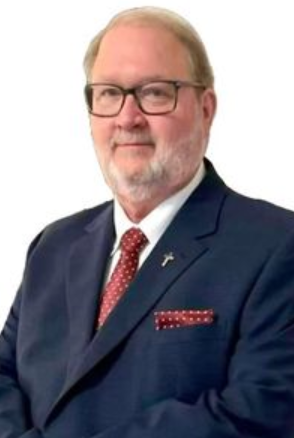
“I am most passionate about education policy that emphasizes student achievement, parental involvement, fiscal responsibility, and transparent governance. I believe public schools succeed when boards focus on academic fundamentals, student safety, long-term planning, and lawful decision-making. I also care deeply about accountability in the use of taxpayer funds and ensuring that major decisions are made openly, with community input and clear public benefit.”
Click here to read the rest of Norris’ responses.
Lori Russell is one of six candidates running for four seats on the Orange County Board of Education school board, and the only one to have so far completed the survey. Russell’s professional experience includes working as an attorney.
Orange County School is the 49th largest district in the state, with roughly 7,000 students. The district is located northwest of Chapel Hill.
Here’s how Russell answered the question, “What areas of public policy are you personally passionate about?”
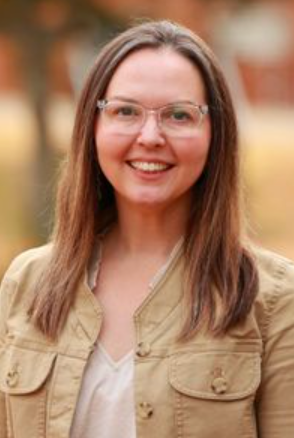
“I am deeply committed to public education policy that centers student safety, belonging, and well-being; equitable access to academic and enrichment opportunities; and strong support for educators. I care deeply about transparent and ethical governance, clear communication with families, and meaningful community engagement that expands resources and opportunity. I am especially passionate about helping families navigate complex systems, including access to special education services for exceptional children, so every student receives the support they need. Keeping schools welcoming and inclusive, including to immigrant families, is central to my approach.”
Click here to read the rest of Russell’s responses.
If you're a school board candidate or incumbent planning to run this year, click here to take the survey. If you complete the survey, a box with your answers will appear in your Ballotpedia profile. Your responses will also appear in our sample ballot. If there is an election in your community, share the link with your candidates and urge them to take the survey!