

Author: Annelise Reinwald
-
Education groups urge the U.S. Treasury to adopt policies reducing what they called barriers to SGO participation

As of Aug. 25, no state has certified eligible scholarship-granting organizations (SGOs) for the Education Freedom Tax Credit (EFTC), which begins on Jan. 1, 2027. SGOs are the organizations that distribute EFTC scholarships to students, but the federal guidance determining their operating rules and the distribution of funds is still forthcoming from the Department of…
-
Laws in 12 states provide school boards with differing authority and powers depending on the type of district they represent
Most states either have only one type of school district or do not distinguish between powers and duties for different types of school boards. However, 12 states have different types of school districts with distinct powers and duties under state law. Boards with different authorities may have unique control over district taxing or financing, and…
-
Eleven states have passed laws related to the Education Freedom Tax Credit in 2026

Eleven states have passed laws in 2026 related to the Education Freedom Tax Credit (EFTC), which goes into effect in 2027. These bills take various actions that shape how or if a state will participate in the program. Of the 31 total states that have indicated they will participate in the EFTC, legislatures in eight…
-
Rhode Island enacts three-year charter school moratorium
On June 18, 2026, Rhode Island Gov. Daniel McKee (D) signed identical bills (S 2787 and H7415) to prohibit the state's Council on Elementary and Secondary Education from approving the creation or expansion of any district charter schools through the 2028-2029 school year. The bill also reduced the allowed number of charter schools in the…
-
North Carolina General Assembly overrides veto to prohibit what bill defines as divisive concepts, discriminatory practices, DEI offices and positions in public schools

On June 24, 2026, the North Carolina General Assembly overrode Gov. Josh Stein (D)'s veto of Senate Bill 227, which prohibits what the bill defines as discriminatory practices, divisive concepts, and diversity, equity, and inclusion programs in public schools. Among other changes, the bill also amends the powers and duties of local school boards to…
-
Vermont enacts bill to limit how scholarships under Education Freedom Tax Credit can be used
On June 18, 2026, Vermont Gov. Phil Scott (R) signed H.933, limiting the use of scholarship funds under the Education Freedom Tax Credit (EFTC) so they may benefit only public school students or students attending independent (or nonpublic) schools eligible to receive public funds, among other EFTC and unrelated tax policies. As of June 30,…
-
South Carolina adopts REINS-style state law, prohibits judicial deference
On June 30, 2026, Gov. Henry McMaster (R) signed H 3021, making South Carolina the third state this year to enact a REINS-style law, and the fifth to prohibit judicial deference. The bill included other provisions related to executive agency procedure and oversight. H 3021 requires legislative approval for all executive agency regulations with estimated…
-
An overview of the rules, agency documents, and notices published in the Federal Register in the second quarter of 2026
The federal government added 23,692 pages to the Federal Register in the second quarter of 2026, spanning from April 1 to June 30. This is more than in all other quarters during the second Trump administration. The next highest was the third quarter in 2025, during which the government added 19,256 pages. The 23,692 pages…
-
Gov. McKee (D) signs bill to require governor, legislature agreement before opting into Education Freedom Tax Credit
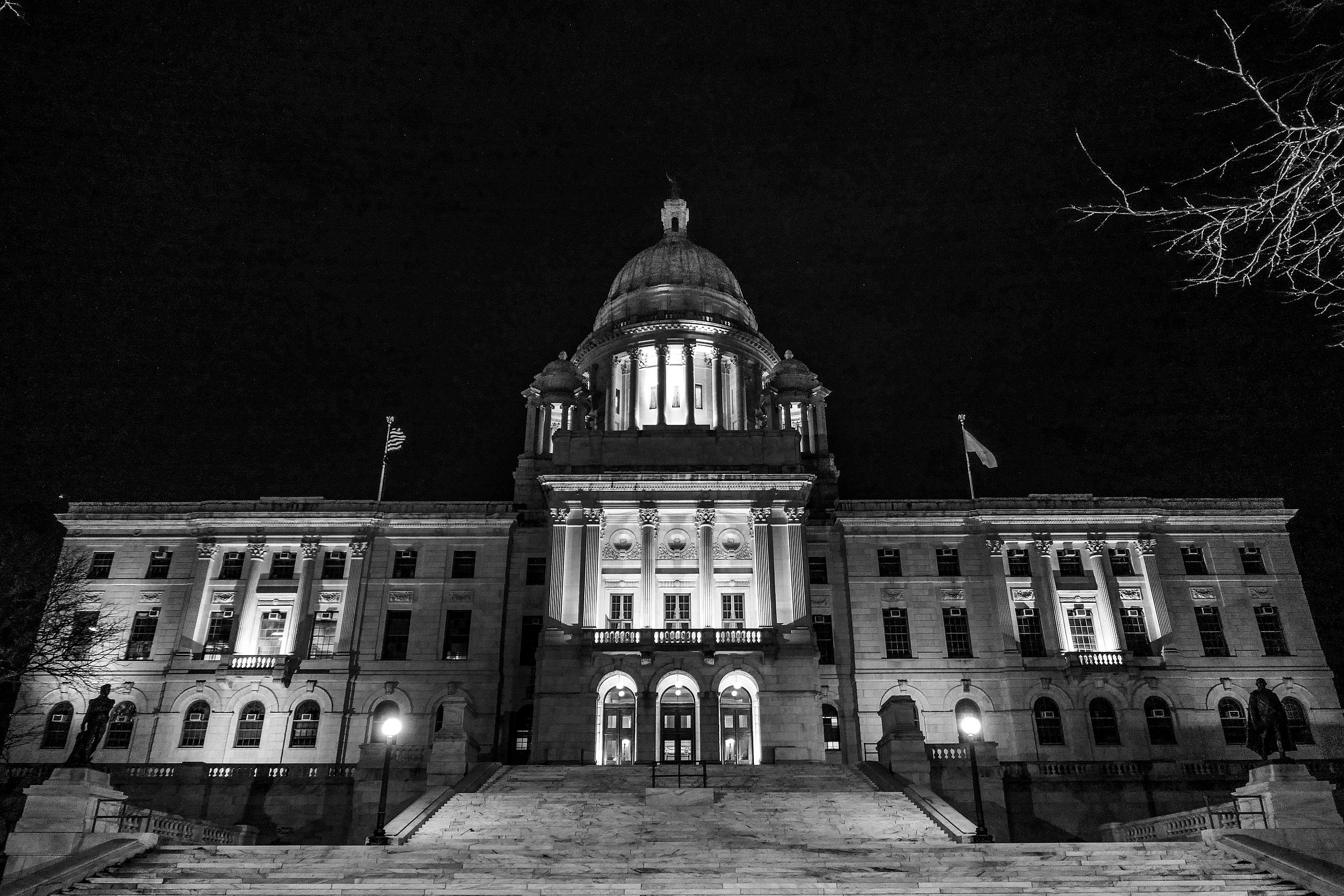
On June 18, Rhode Island Governor Dan McKee (D) signed H 7163 which requires the Rhode Island General Assembly and the governor to approve any effort to opt into the Education Freedom Tax Credit (EFTC). It specified that the state may only participate if the legislature passes a bill that the governor signs, but does…
-
U.S. Treasury previews guidance for federal Education Freedom Tax Credit scholarship program
On June 10, the U.S. Department of the Treasury issued a preview of the forthcoming guidance implementing the Education Freedom Tax Credit (EFTC) scholarship program, which is set to take effect on Jan. 1, 2027. President Donald Trump (R) enacted the tax credit as part of the One Big Beautiful Bill Act (OBBBA). The statute…