

Author: Nathan Maxwell
-
December redistricting vote shapes Republican primaries for Indiana Senate
Republican primaries for the Indiana Senate will take place on May 5, 2026. The general election is on November 3, 2026. The Indiana Senate is one of 88 state legislative chambers with elections in 2026. There are 99 chambers throughout the country. Twenty-five of the Indiana Senate's 50 seats are up for election in 2026.…
-
Open state legislative seats down and contested incumbents up in states with earliest filing deadlines
Each year, Ballotpedia analyzes how competitive the year's primary elections are using metrics including the number of incumbents who did not seek re-election, the total number of contested primaries, and the number of incumbents with primary challengers. In 2026, this competitiveness information will include state legislative elections in 46 states. So far, Ballotpedia has processed…
-
Democrats have gained 12 state legislative seats in special elections since January 2025
Democrats’ state legislative special election gains since January 2025 increased to 12 after the party gained control of two Florida seats on March 24, 2026. Emily Gregory (D) won a March 24 special election for Florida House District 87, winning the race by 2.4 percentage points in a district Republicans won by 19 percentage points…
-
Ballotpedia's 2026 trifecta vulnerability ratings: Nine vulnerable trifectas nationwide

According to Ballotpedia's annual trifecta vulnerability ratings, nine state government trifectas are vulnerable in the 2026 elections. Democrats are defending four vulnerable trifectas and Republicans are defending five. Ballotpedia calculates the chances of trifectas breaking and forming by evaluating each trifecta component individually and assessing the chances of them changing control. This assessment considers: Highly…
-
Seven open seats in Idaho state legislative elections this year; second-fewest since 2010

Seven seats are open in Idaho’s state legislative elections this year, meaning no incumbents filed. That is the second-fewest open seats since 2010 and means newcomers could represent as little as 7% of the legislature next year. The average number of open seats each cycle from 2010 to 2024 was 18. Forty-two incumbents face primary…
-
Ten candidates are running in the top-two primary for California's 40th Congressional District
Ten candidates are running in the top-two primary for California's 40th Congressional District on June 2, 2026. Incumbent Ken Calvert (R), incumbent Young Kim (R), Joe Kerr (D), and Esther Kim Varet (D) lead in campaign fundraising and polling ahead of the election. Currently, Calvert represents California's 41st Congressional District, and Kim represents the 40th…
-
Three candidates running in Michigan Senate special election
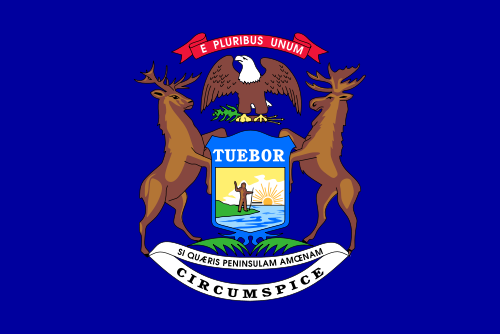
Three candidates — Chedrick Greene (D), Jason Tunney (R), and Ali Sledz (L) — are running in the special general election for Michigan state Senate District 35 on May 5, 2026. The winner will serve the remainder of Kristen McDonald Rivet's (D) term ending in January 2027. Rivet resigned the seat on January 3, 2025,…
-
Democrats gain two more state legislative seats in March special elections
Democrats gained control of two additional state legislative seats in a pair of early March special elections. Alex Holladay (D) won a March 3 special election for Arkansas House District 70, winning the race by 15 percentage points in a district Republicans won by two percentage points in 2024. Bobbi Boudman (D) won a March…
-
Alabama's state legislative elections this year are the state's least competitive since 2010

Alabama’s state legislative elections this year are shaping up to be generally less competitive than previous years. Voters will see the fewest candidates, open seats, contested primaries, and contested incumbents of any election year since 2010. Ten seats are open in Alabama’s state legislative elections this year, meaning no incumbents filed. That is the fewest…
-
Four candidates are running in the Republican primary for U.S. Senate in Louisiana

Incumbent Bill Cassidy (R), John Fleming (R), Julia Letlow (R), and Mark Spencer (R) are running in the Republican Party primary for U.S. Senate in Louisiana on May 16, 2026. Three candidates — Cassidy, Fleming, and Letlow — lead in fundraising and polling. President Donald Trump (R) and Gov. Jeff Landry (R) endorsed Letlow. According…