


The Rhode Island General Assembly adjourned its 2026 regular session on June 11 after passing 20 election-related bills. Gov. Dan McKee (D) signed all 20 bills between March and June.
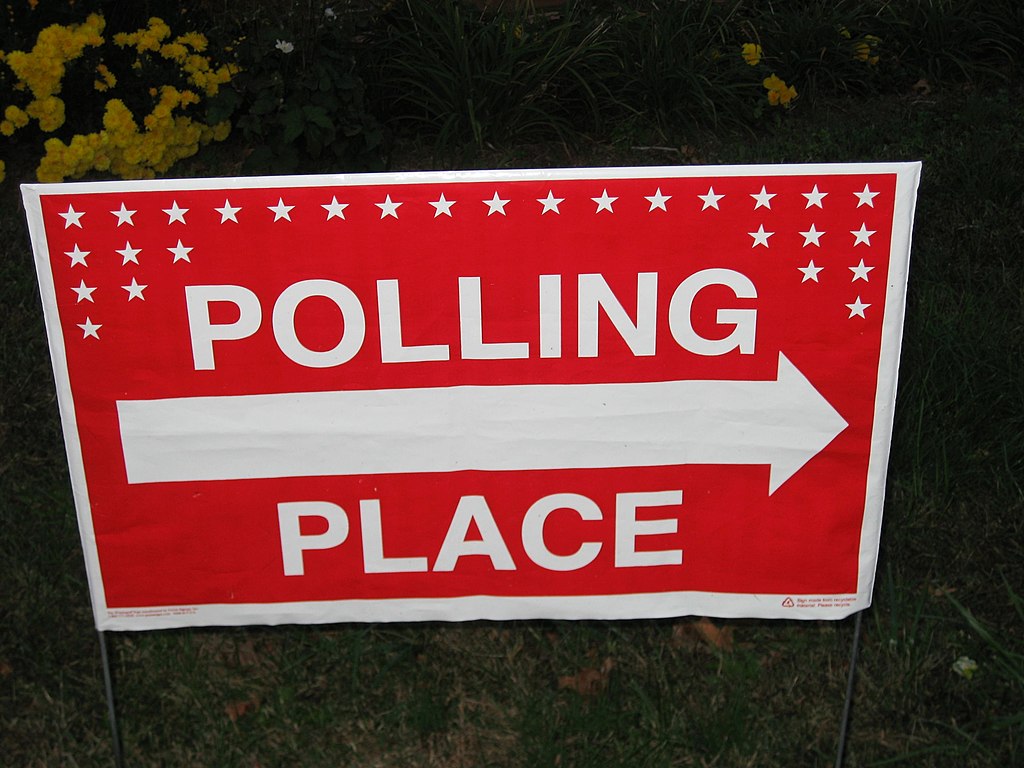
Among those bills were H7434 and S3339, which prohibit U.S. Immigration and Customs Enforcement (ICE) employees, agents, or officials from entering or remaining within 200 feet of any polling place, including both during early voting and on Election Day, except when they are present to vote in compliance with the law.
The state House passed the final version of H7434 58-13 on June 10, with 57 Democrats and one independent voting in favor and three Democrats and 10 Republicans voting against. The state Senate passed the bill 31-7 on June 11, with 31 Democrats voting in favor and three Democrats and four Republicans voting against. S3339 passed the Senate on June 9 and the House on June 11.
McKee signed the bills on June 22, making Rhode Island one of six states so far this year to enact legislation prohibiting or restricting law enforcement presence near election-related sites.
In April, McKee signed H7049 and S2147, which require a primary election to be held on the next Wednesday following Labor Day if the eighth Tuesday preceding the biennial general election is the day after Labor Day. Previously, primary elections were required to be held on the eighth Tuesday preceding the general election without exception. The bills moved the 2026 primary election to September 9.
The state Senate passed the final version of S2147 34-2 on March 31, with 32 Democrats and two Republicans voting in favor and two Republicans voting against. The state House passed the bill 64-0 on April 16. McKee signed the bill on April 20.
Other election bills enacted in 2026 include:
- H7007 and S2341, which allow eligible disabled voters to electronically receive and return their ballots using the same electronic transmission system used by voters covered by the Uniformed and Overseas Citizens Absentee Voting Act
- H7090 and S2491, which require the primary election for delegates to the national convention for each political party to be held on the first Tuesday in March of presidential election years (rather than the fourth Tuesday in April).
- H7092 and S2309, which amend the deadlines and signature requirements for candidates seeking to be delegates to a national presidential nominating convention.
- H7358 and S2130, which require write-in votes to be tabulated and reported if they may affect the election outcome for a particular office. The bills also permit write-in candidates who meet certain criteria to request tabulation of write-in votes in their race.
- H7377 and S2136, which amend the procedures used for filling vacancies on canvassing authorities and outline duties for chief local election officials.
- H7494 and S3112, which require voters to provide their driver’s license number, ID number, or last four digits of their Social Security number when requesting a mail ballot using a state form. The bills also permit election officials to consider identifying information, such as a voter’s driver’s license or ID number, if there is a discrepancy between a voter’s signature on their mail ballot application and the signature on their mail ballot envelope.
- H7495 and S2334, which add a candidate’s home or office security expenses to the list of permitted uses of campaign funds.
- H7782 and S3113, which increase the window in which a candidate has to file a recount from seven days after results have been tabulated and declared to nine days.
Rhode Island enacted 10 election-related bills in 2025, 17 bills or resolutions in 2024, and 15 bills or resolutions in 2023.