

Author: Andrew Bahl
-
Georgia could have an automatic recount in 2026 under new law
A close race for governor in Georgia could trigger the state’s new automatic recount law, which will be in effect for the first time during the 2026 elections. Cook Political Report, Inside Elections, and Sabato’s Crystal Ball have all classified the 2026 gubernatorial race as a toss-up. Under SB 3EX, which was enacted in June,…
-
Culver City could become the 16th municipality to allow 16-year-olds to vote in local or school board elections
On Nov. 3, voters in Culver City, California, will weigh in on a ballot measure that would allow 16- and 17-year-olds to vote in city and school district elections. If approved, Culver City would become the fourth municipality in California and the 16th nationally to allow individuals under 18 to vote in at least some…
-
Here's what to know about casting an absentee/mail-in ballot in the November election
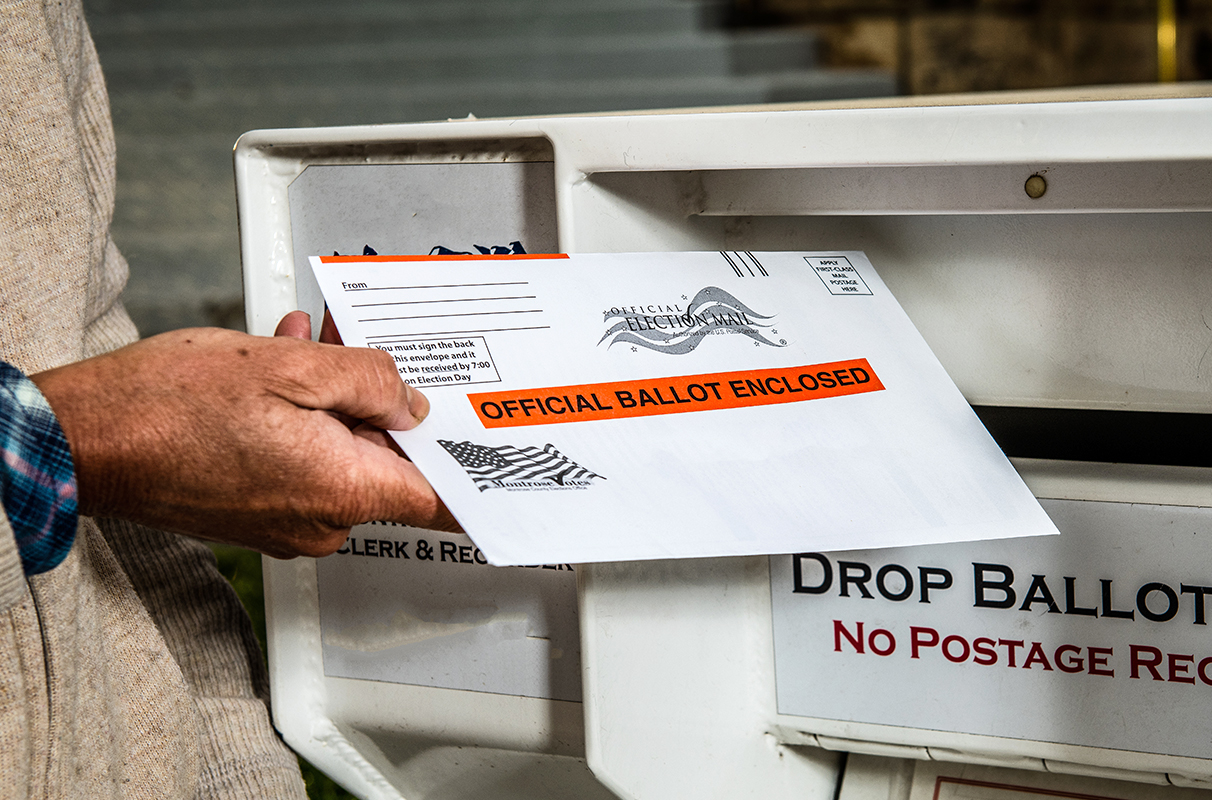
As the Nov. 3 election approaches, election officials across the country are beginning to send absentee/mail-in ballots to voters. Laws governing the absentee/mail-in voting process vary from state to state. Here's an overview of what those laws look like this year. All states allow for some form of absentee/mail-in voting. Thirteen states require voters to…
-
California enacts 32 election bills in 2026, including legislation regulating law enforcement presence at polling places
The California Legislature adjourned its regular session on Aug. 31 after sending 34 election-related bills to Gov. Gavin Newsom (D). Newsom signed 32 of the bills between May and September and vetoed two of them in September. These 32 bills make California the state with the second-most election-related bills enacted so far this year, behind…
-
U.S. Supreme Court allows use of expanded SAVE system ahead of the November elections
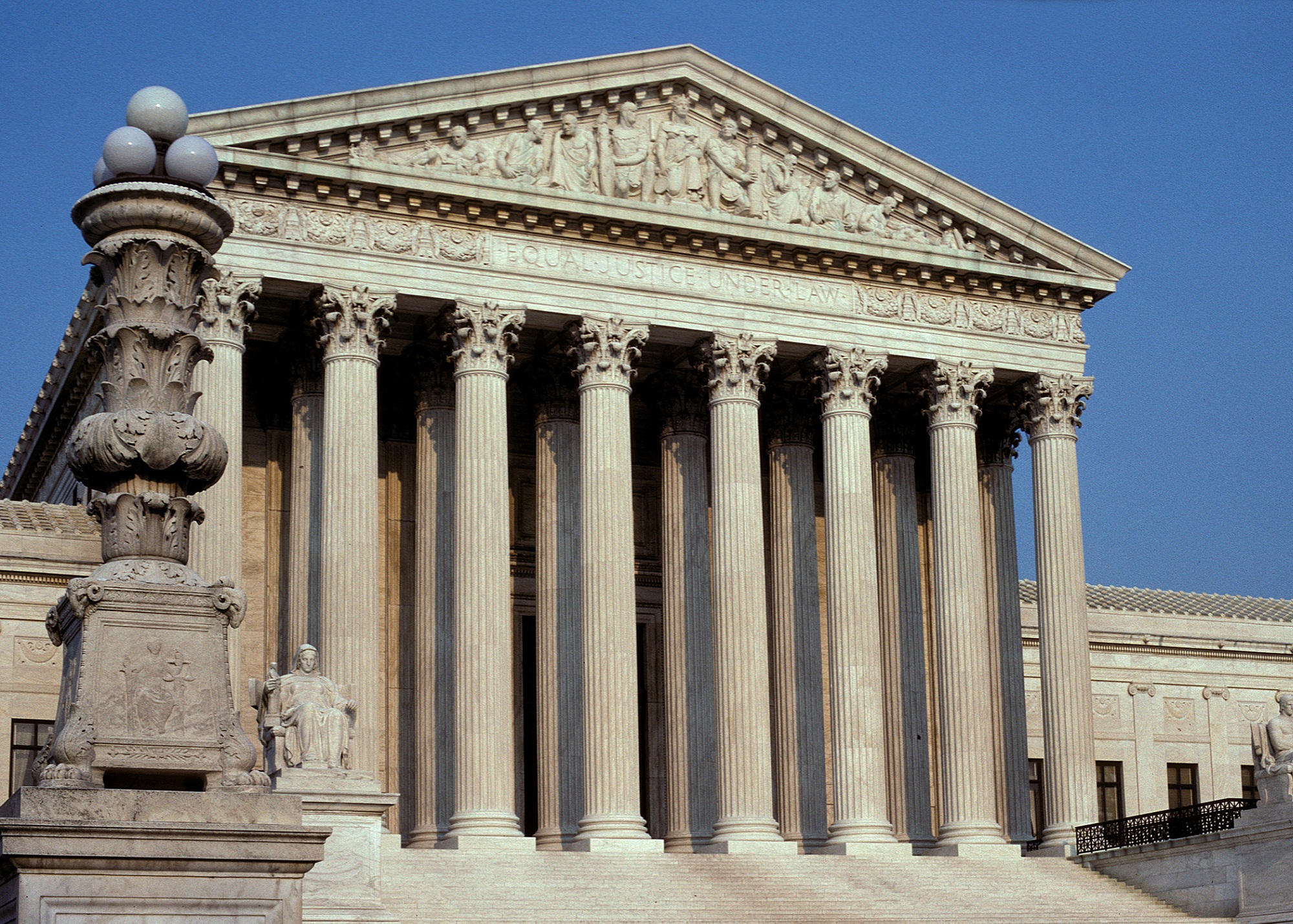
On Sept. 25, the U.S. Supreme Court stayed a lower court ruling that blocked the federal government from using an expanded version of the Systematic Alien Verification for Entitlements (SAVE) system for voter registration and list maintenance. The SAVE system provides information about individuals' immigration and citizenship status. The interim docket ruling allows the U.S.…
-
States are recruiting poll workers for November. Here's what they require.
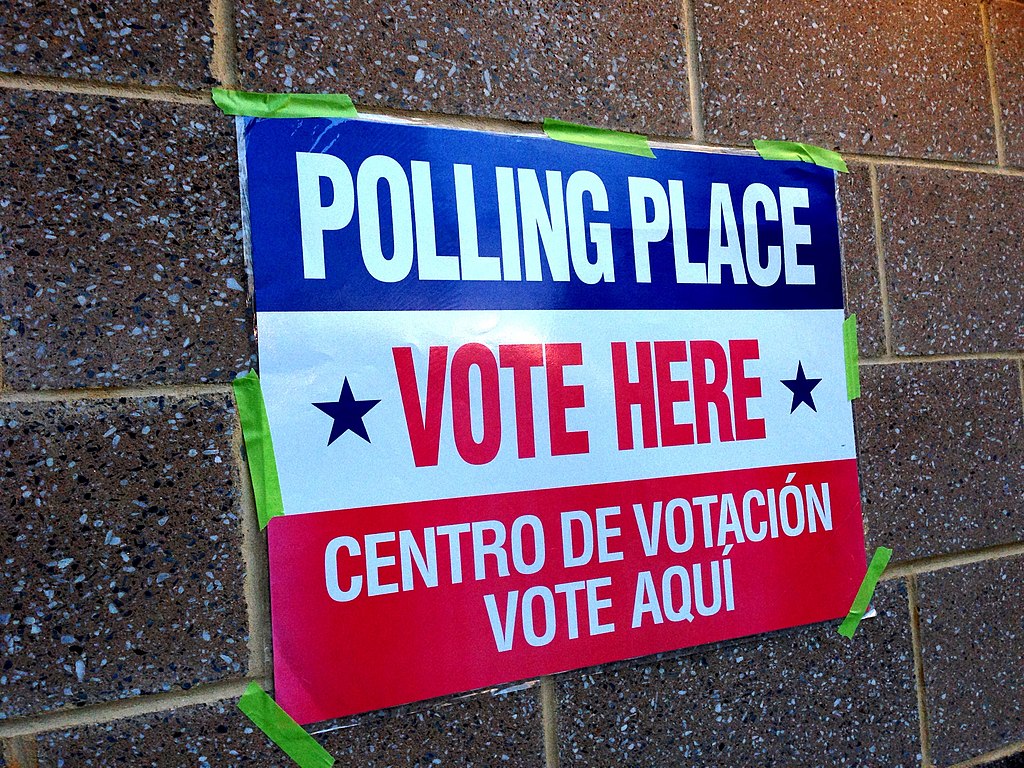
With the Nov. 3 general election approaching, states across the country are recruiting poll workers to serve on Election Day and during the early voting period. Poll workers perform a variety of functions. They may help set up or break down polling places, greet and check in voters, issue and transport ballots, and perform other…
-
U.S. Supreme Court leaves order blocking USPS absentee/mail-in voting rules in place for 2026 election
On Sept. 14, the U.S. Supreme Court declined to reverse a lower court order blocking the implementation of an executive order President Donald Trump (R) issued in March that would prohibit the delivery of absentee/mail-in ballots to anyone not enrolled by state election officials in a U.S. Postal Service portal. The ruling means that the…
-
Three states have changed election canvassing deadlines in 2026
Idaho, Nebraska, and Wisconsin passed laws this year to change deadlines related to compiling, reviewing, and certifying election results, a process called canvassing. The laws in Idaho and Nebraska will be in effect for the Nov. 3 midterm elections, and the law in Wisconsin will be in effect for the 2028 presidential election. Idaho H…
-
Federal judge temporarily blocks Ohio documentary proof of citizenship requirement
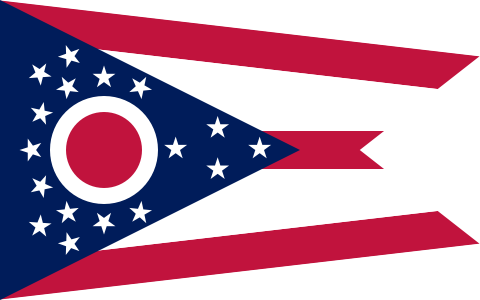
On Aug. 25, a federal judge temporarily blocked an Ohio law that requires individuals registering to vote at the Bureau of Motor Vehicles to provide documentary proof of citizenship. Ohio is one of 12 states with laws requiring documentary proof of citizenship for voter registration, though it is the only one where the requirement applies…
-
Delaware enacts eight election-related bills and advances five amendments in 2026 session
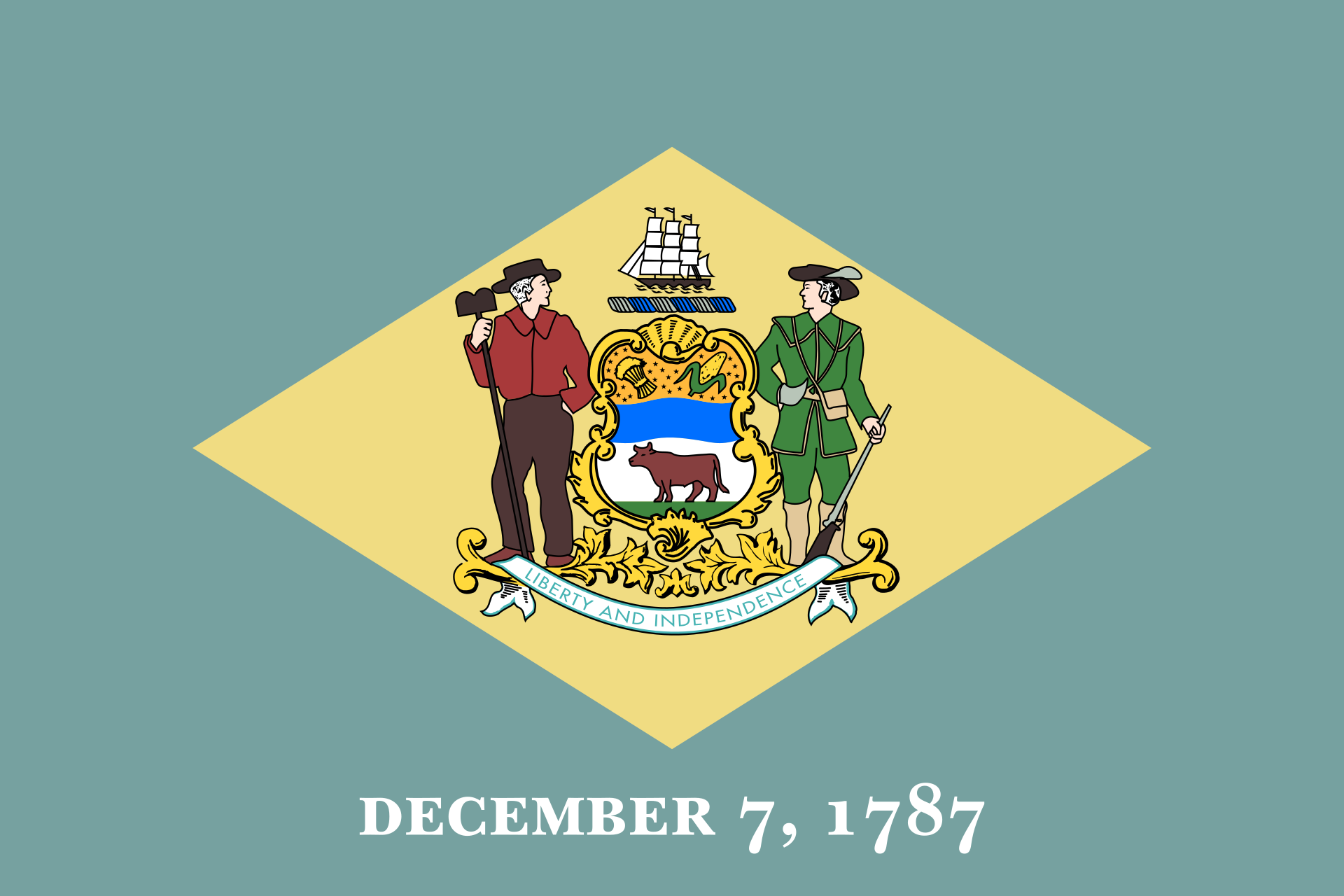
The Delaware General Assembly adjourned on June 30 after enacting eight election-related bills and advancing five constitutional amendments. Gov. Matt Meyer (D) signed all eight bills in June, July, and August. Among those bills was HB 444, which established a state-level voting rights act. Delaware is one of three states, along with Maryland and New…