

Author: Andrew Bahl
-
Federal judge temporarily blocks USPS rules implementing absentee/mail-in voting executive order
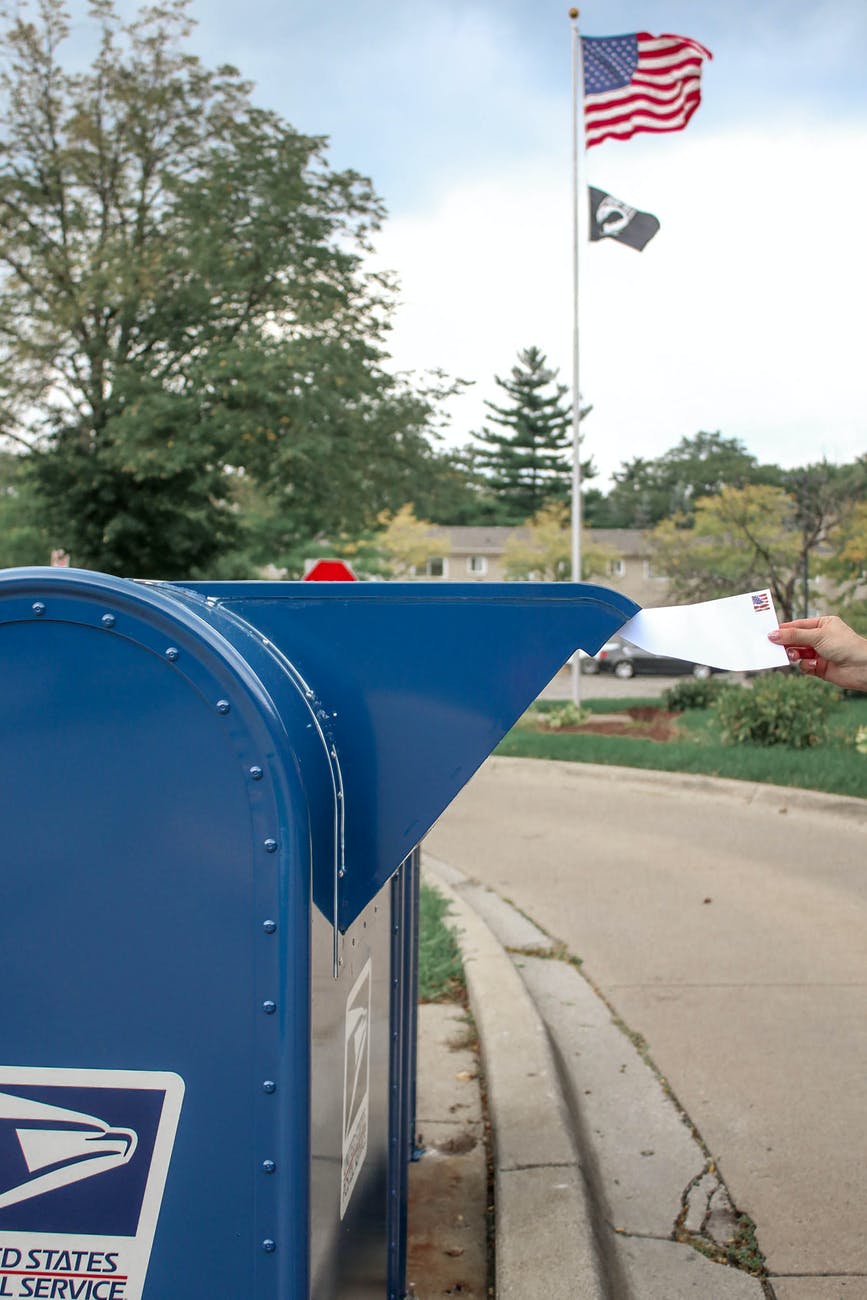
On Aug. 27, a U.S. district court judge blocked the implementation of federal rules that would carry out an executive order President Donald Trump (R) issued earlier this year prohibiting the delivery of absentee/mail-in ballots to anyone who is not enrolled by state election officials with the U.S. Postal Service. U.S. District Judge Indira Talwani's…
-
States enact more than 400 election-related bills in first seven months of 2026
States have enacted 419 election-related bills so far this year — the most of any even-numbered session year since Ballotpedia launched its Election Policy Legislation Tracker in 2022. These figures come from Ballotpedia's State of Election Policy Legislation 2026 Mid-Year Report, which covers election-related legislative activity captured in our legislation tracker through Aug. 14 of…
-
North Carolina Gov. Stein vetoes election omnibus bill

On Aug. 17, North Carolina Gov. Josh Stein (D) vetoed House Bill 958, an omnibus elections bill that would have made a variety of changes to North Carolina's election laws, including shortening the early voting period for primary elections. The bill would have required early voting for regular, non-municipal primary or runoff elections to take…
-
Missouri enacts omnibus election bill, three others in 2026 session
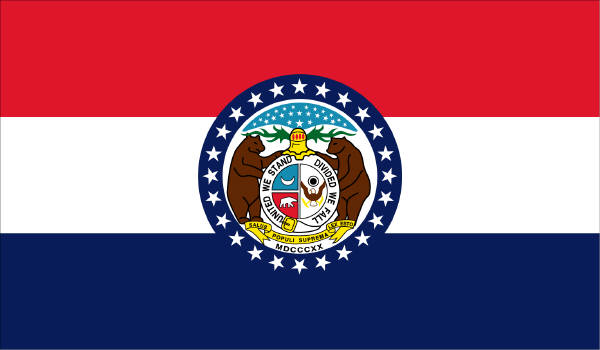
The Missouri General Assembly adjourned its 2026 legislative session on May 15 after passing four election-related bills and a constitutional amendment. Gov. Mike Kehoe (R) signed all four bills in July. Among those bills was HB 1871, an omnibus bill that makes several changes to Missouri election law. Those changes include: The Missouri Senate passed…
-
Minnesota enacts omnibus elections and campaign finance bills in 2026 session
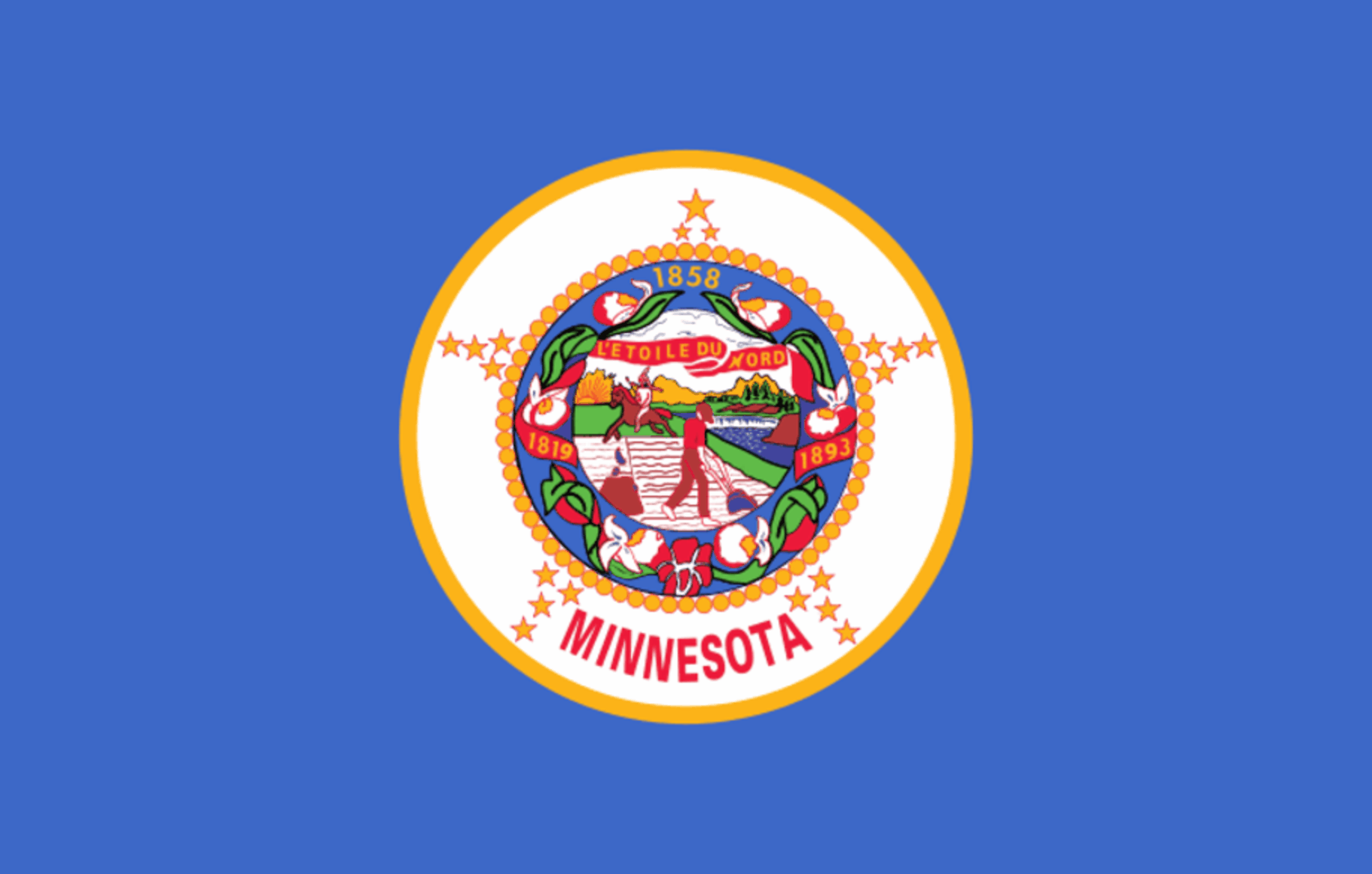
The Minnesota Legislature adjourned its 2026 legislative session on May 17 after passing two election-related bills, both of which Gov. Tim Walz (D) signed into law. HF 4240 is an omnibus bill making changes to numerous areas of election law, including: The Minnesota Senate passed the final version of the bill 36-28 on May 13,…
-
Massachusetts enacts budget bill allowing election grants in 2026 session
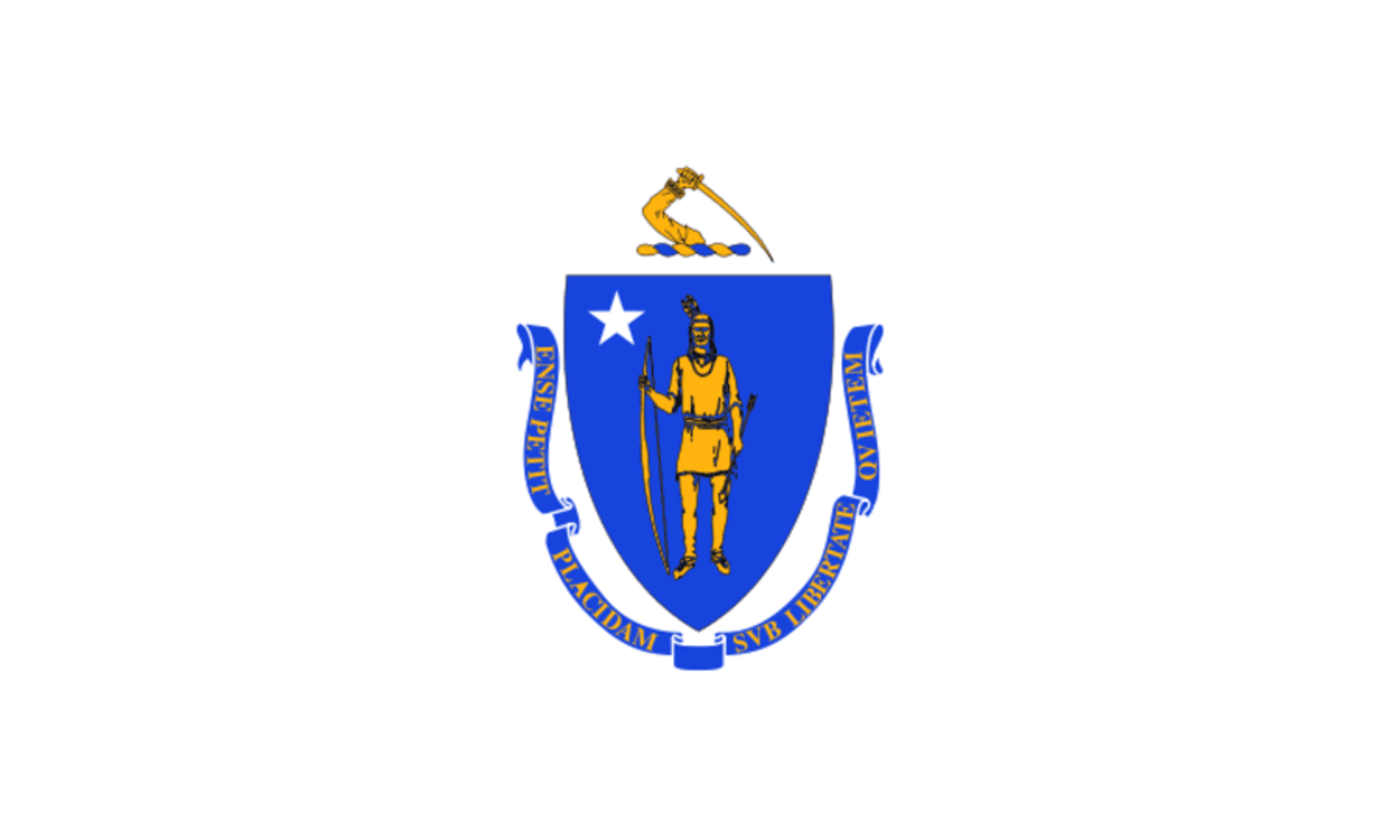
On July 31, the Massachusetts General Court adjourned its formal legislative session after passing one election-related bill, which Gov. Maura Healey (D) signed into law. H5555, the state budget bill, allows the secretary of state to award grants for voter registration and education. Those grants may be awarded to community-based voter registration and education organizations.…
-
Arizona Gov. Katie Hobbs vetoed 48% of election bills passed in 2026 session

On June 13, the Arizona Legislature adjourned its 2026 session after passing 21 election-related bills and one constitutional amendment. Gov. Katie Hobbs (D) signed 11 of the bills and vetoed 10. Among the bills Hobbs vetoed was HB 4115, which would have required a paid petition circulator to disclose to a potential petition signer their…
-
Dunleavy vetoed both election bills the Alaska Legislature passed during its 2026 session

The Alaska Legislature adjourned its 2026 regular session on May 20 after passing two election-related bills. Gov. Mike Dunleavy (R) vetoed both bills in April and July. One of the bills was SB 64, an omnibus bill that would have made numerous changes to Alaska’s election statutes. The bill would have established a cure provision…
-
Florida enacts new congressional maps, citizenship verification requirement in 2026
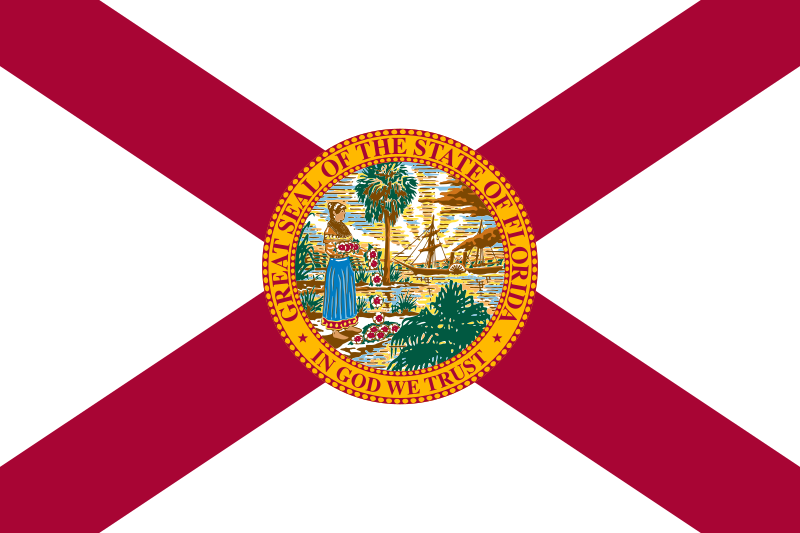
The Florida Legislature passed eight election-related bills during its 2026 regular and special sessions, all of which Gov. Ron DeSantis (R) signed between April and June. Among those bills was HB 991, which requires officials to verify whether a prospective voter provided proof of citizenship when applying for a driver’s license or state ID card.…
-
Oklahoma lawmakers sent a voter ID constitutional amendment to the Aug. 25 ballot during the 2026 session. Here are the other election bills they passed.
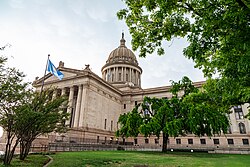
The Oklahoma Legislature adjourned its 2026 legislative session on May 14 after enacting five election-related bills and passing one constitutional amendment. Gov. Kevin Stitt (R) signed all five of the bills in May. Oklahoma voters will see the constitutional amendment, SJR 47, on their ballot during the Aug. 25 primary runoff election. The amendment would…