

Author: Andrew Bahl
-
South Carolina changes municipal election date laws, approves three other pieces of election-related legislation in 2026

The South Carolina Legislature adjourned its 2026 regular legislative session on May 14 after approving four pieces of election-related legislation. Among those was H 3556, which establishes certain dates when municipal elections may be held in odd-numbered years. The bill also allows only municipalities with more than 10,000 residents to have a municipal elections commission…
-
Twenty-one states set at least one requirement on ballot initiative petition circulators
In states across the country, groups are gathering signatures to place initiatives or referendums on the 2026 ballot. Of the 26 states that allow citizen initiatives, 21 have at least one law setting requirements for petition circulators. Six states have laws requiring signature gatherers to be state residents. Nine states have laws directly or indirectly…
-
Maryland lawmakers enact state-level voting rights act, 21 other election bills in 2026
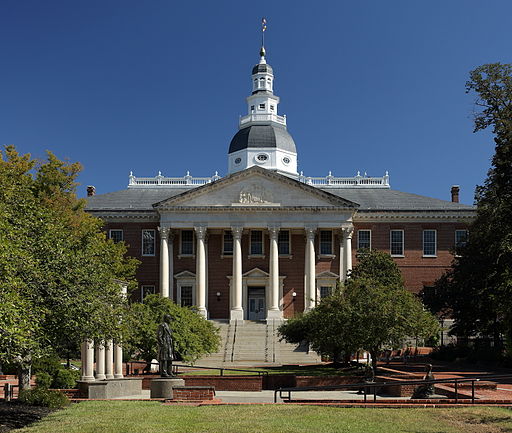
The Maryland General Assembly adjourned its 2026 legislative session on April 13 after sending 22 election-related bills to Gov. Wes Moore (D). Moore signed each of the bills between April 14 and May 12. Among those bills was SB 255, which established the Maryland Voting Rights Act. The bill prohibits counties or municipalities from using…
-
Connecticut could become the 37th state to allow absentee/mail-in voting without an excuse
On May 15, Connecticut legislators sent a bill to Gov. Ned Lamont (D) that would remove the requirement that voters provide an excuse to request an absentee ballot. Currently, Connecticut is one of 14 states that require voters to have a valid excuse to vote absentee/by mail. Twenty-eight states allow any eligible voter to request…
-
Hawaii legislators advance bill to restrict corporate political activity

On May 8, Hawaii legislators sent a bill to Gov. Joshua Green (D) that would prohibit corporations from spending money or participating in election or ballot measure activities. SB 2471 would amend state law to modify the powers given to corporations. The bill establishes that corporations have artificial-person powers, defined as the ability to carry…
-
Maine updates campaign finance laws, passes one other election-related bill in 2026
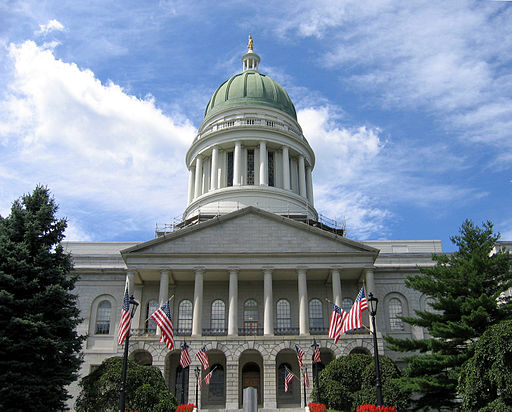
The Maine Legislature adjourned its 2026 regular session on April 29 after enacting two election-related bills, both of which were signed by Gov. Janet Mills (D). One of those bills was LD 2000, which requires party committees to report all expenditures made to influence a campaign. It also changes various thresholds for when candidates must…
-
State legislatures enact more than 200 election-related bills in first four months of 2026

States have enacted 236 election-related bills so far this year, 66% more than at this point in 2024 and nearly two-and-a-half times the total from 2022. These figures come from Ballotpedia's State of Election Policy 2026 Spring Report, which covers election-related legislative activity captured in our Election Administration Legislation Tracker through April 24 of this…
-
Idaho amends voter ID affidavit process, enacts 14 other election bills in 2026

The Idaho Legislature adjourned its 2026 regular session on April 2 after enacting 15 election-related bills, all of which were signed by Gov. Brad Little (R). Among those bills was S 1322, which amends the state’s option for voters to fill out an affidavit instead of providing a photo ID when voting. The new law…
-
Nebraska expands foreign funding ban for ballot measures, enacts four other election laws in 2026 session

The Nebraska Legislature adjourned its regular session on April 17 after enacting five election-related bills, all of which Gov. Jim Pillen (R) signed. Among those bills was LB 1075, which expands the state’s ban on foreign contributions to ballot measure committees. In 2022, Nebraska enacted a law banning direct and indirect contributions to ballot measure…
-
Kansas legislators override veto on citizenship checks for voter list maintenance, enact three other election bills in 2026 session

The Kansas Legislature adjourned its 2026 regular session on April 10 after enacting four election-related bills, including one that was initially vetoed by Gov. Laura Kelly (D). The Republican-controlled legislature voted on April 9 to override Kelly’s veto of HB 2437, which requires certain new data sources to be used in maintaining the accuracy of…