

Author: Andrew Bahl
-
Iowa enacts five election bills in 2026, including prohibition on foreign donations in ballot measure elections
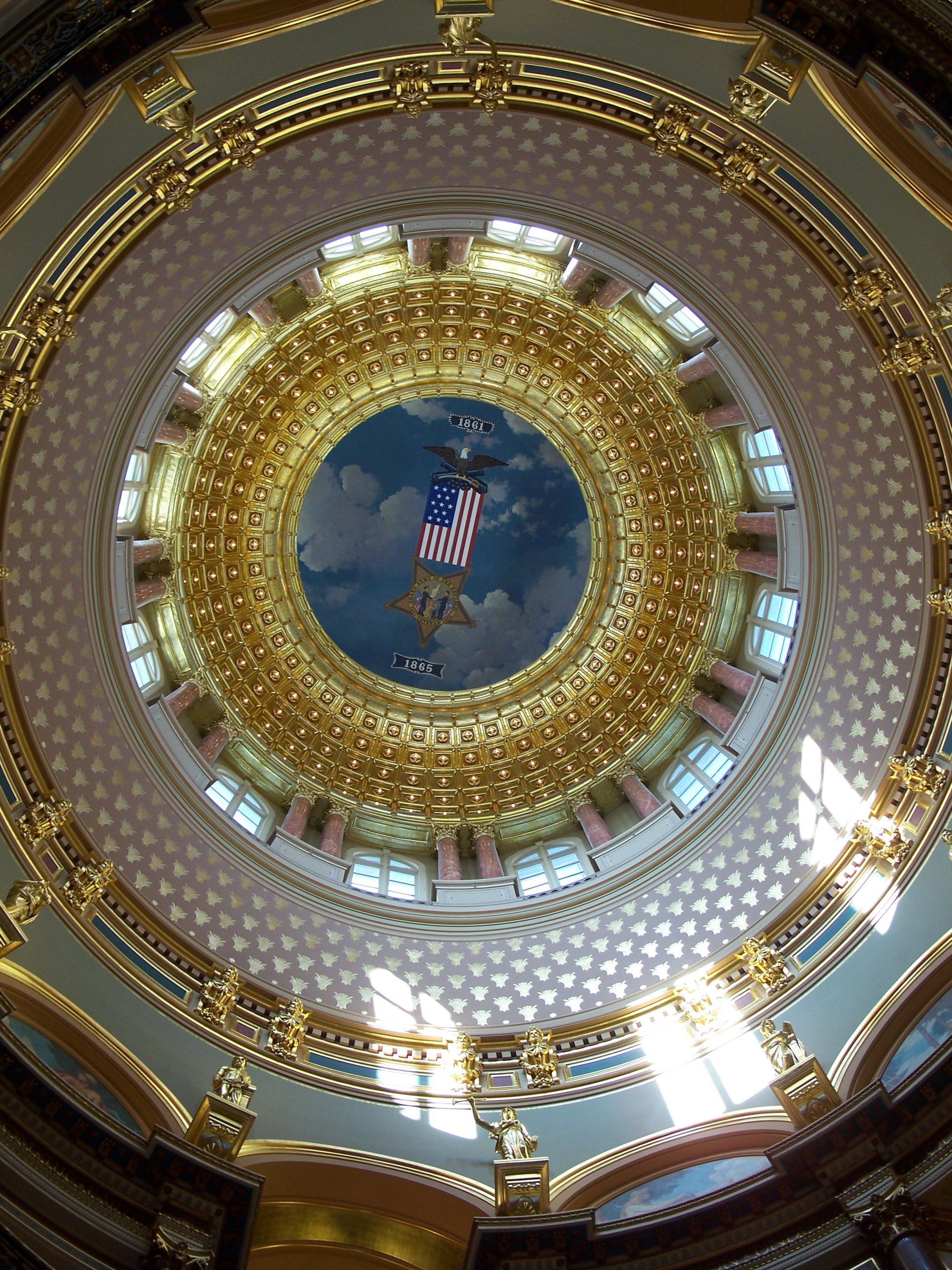
The Iowa General Assembly adjourned its 2026 regular session on May 3 after passing five election-related bills. Gov. Kim Reynolds (R) signed each of the bills by June 2. Among the enacted bills was HF 2601, which prohibits foreign contributions in ballot measure elections. Iowa previously had a ban on foreign funding for candidate elections,…
-
D.C. to hold first election using ranked-choice voting on June 16
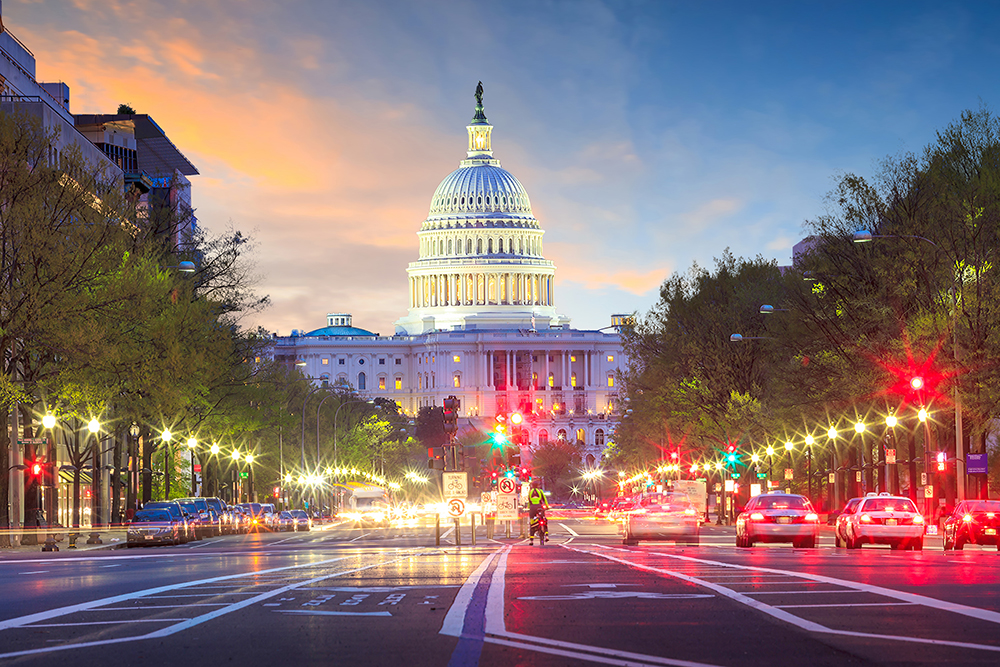
Washington, D.C., will hold its first election using ranked-choice voting on June 16, in primary elections for mayor, city council, U.S. House delegate, and other races. Ranked-choice voting (RCV) is a system where voters rank candidates by preference on their ballots. In the RCV system used in D.C., a candidate who wins a majority of…
-
What to know about how states count absentee/mail-in ballots
In the midst of primary season, voters may wonder about the laws that govern how and when states count absentee/mail-in ballots. Every state provides a method for voters to cast ballots without visiting a physical polling place, but policies for counting those ballots differ from state to state. State laws prescribe when election officials can…
-
Iowa becomes the 25th state to ban foreign contributions to ballot measure committees
On June 2, Iowa Gov. Kim Reynolds (R) signed legislation, HF 2601, which prohibits foreign contributions in ballot measure elections. Iowa previously had a ban on foreign funding for candidate elections, but no such prohibition on foreign contributions to ballot measure committees. Iowa is now the 25th state to ban foreign nationals or governments from…
-
U.S. Postal Service proposes absentee/mail-in voting rule
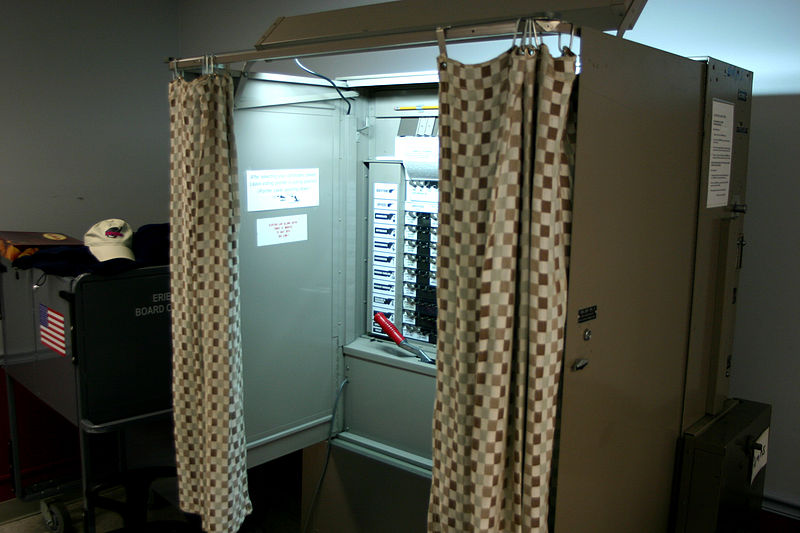
The United States Postal Service filed a proposed rule on May 29 that would prohibit absentee/mail-in ballots for general elections from being delivered to anyone not on a list provided to USPS by state election officials. The proposed rule was published in the Federal Register on June 2. Under the rule, states would submit to…
-
Virginia's new Democratic trifecta approved 49 election-related bills and resolutions during the 2026 legislative session, a 250% increase over previous three-year average with divided government
The Virginia General Assembly adjourned its 2026 regular session on April 22 after sending 51 election-related bills to Gov. Abigail Spanberger (D) and adopting three resolutions. Spanberger signed 46 bills and vetoed five. The 2026 session was the first time in five years that Virginia had a Democratic trifecta, where one party controls both chambers…
-
Tennessee enacts bill changing voter restoration requirements for individuals convicted of a felony, 10 other election bills in 2026 regular session

The Tennessee General Assembly adjourned its regular legislative session on April 23 after sending 11 election-related bills to Gov. Bill Lee (R), who signed the final ones on May 22. Among those bills was SB 336, which removes the requirements for individuals convicted of a felony to have paid all court costs and be current…
-
Federal judge strikes down part of New Hampshire's documentary proof of citizenship law
On May 28, a federal judge ruled that parts of a New Hampshire law requiring individuals to provide documentary proof of citizenship to register to vote were unconstitutional. U.S. District Court Judge Samantha Elliott's ruling did not invalidate the proof-of-citizenship requirement. Instead, it reinstated the option for people to register to vote by signing an…
-
Virginia Gov. Abigail Spanberger signs order requiring state to issue guidance on immigration enforcement at polling places
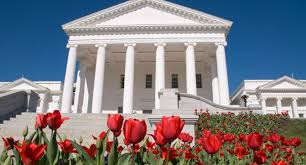
Virginia Gov. Abigail Spanberger (D) signed an executive order on May 20 requiring the state Department of Elections to issue guidance for election workers on engaging with federal immigration officers at polling places, among other directives. There is no timeline for when the agency must issue the guidelines, but the order requires the department to…
-
Georgia lawmakers make some county races nonpartisan, enact five other election bills in 2026
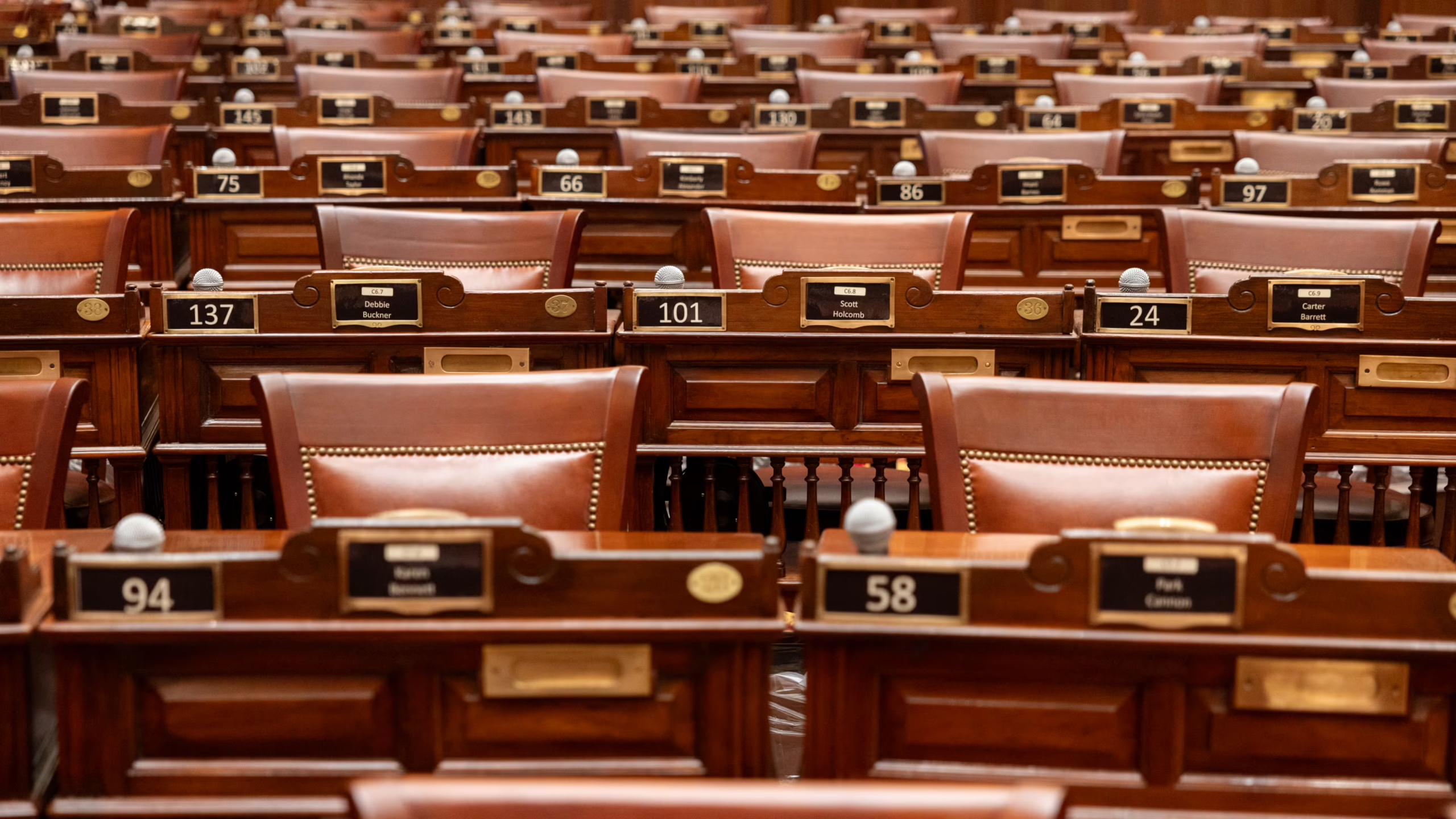
The Georgia General Assembly adjourned its 2026 regular legislative session on April 2 after sending six election-related bills to Gov. Brian Kemp (R). Kemp signed the bills on May 11 and 12. Among those bills was HB 369, which makes elections for district attorney, county commission, and some other county offices nonpartisan in Clayton, Cobb,…