

Author: Emma Soukup
-
USDA releases SNAP error rate data that could determine states' share of benefit costs
On June 24, the U.S. Department of Agriculture (USDA) released fiscal year 2025 (FY25) payment error rate data for the Supplemental Nutrition Assistance Program (SNAP). This was the first update of payment error data since the One Big Beautiful Bill Act (OBBBA) established a cost-share system based on this data, and the first year of…
-
Arkansas and Montana implement Medicaid work requirements before deadline
On July 1, Arkansas and Montana began implementing work requirements for Medicaid enrollees, becoming the second and third states to do so after President Donald Trump (R) signed the One Big Beautiful Bill Act (OBBBA) on July 4, 2025. The OBBBA established the first federal work requirements for Medicaid and requires states to adopt these…
-
Senate moves reconciliation 2.0 to the floor for debate after stalled negotiations
On June 3, the U.S. Senate voted 53-46 to bring the current version of the FY2027 budget reconciliation bill to the chamber’s floor for debate, two days after the original deadline that President Trump (R) gave lawmakers to deliver the bill to his desk. Lawmakers have referred to the package as reconciliation 2.0, after Trump…
-
Senate Committees release $72 billion budget reconciliation spending package
On May 4, 2026, two U.S. Senate committees released the first version of a proposed budget reconciliation spending package that mostly includes funding for the Department of Homeland Security (DHS) and would increase the deficit by $72 billion over the following decade, according to the Congressional Budget Office. Corresponding committees in the U.S. House have…
-
Nebraska becomes first state to implement Medicaid work requirements after passage of the One Big Beautiful Bill Act
On May 1, Nebraska became the first state to implement Medicaid work requirements after Congress passed the One Big Beautiful Bill Act (OBBBA). The OBBBA directs states to adopt policies requiring able-bodied Medicaid recipients in the Affordable Care Act (ACA) expansion group to work 80 hours per month beginning January 1, 2027. Nebraska became the…
-
Senate passes budget resolution that includes funding for ICE and defense
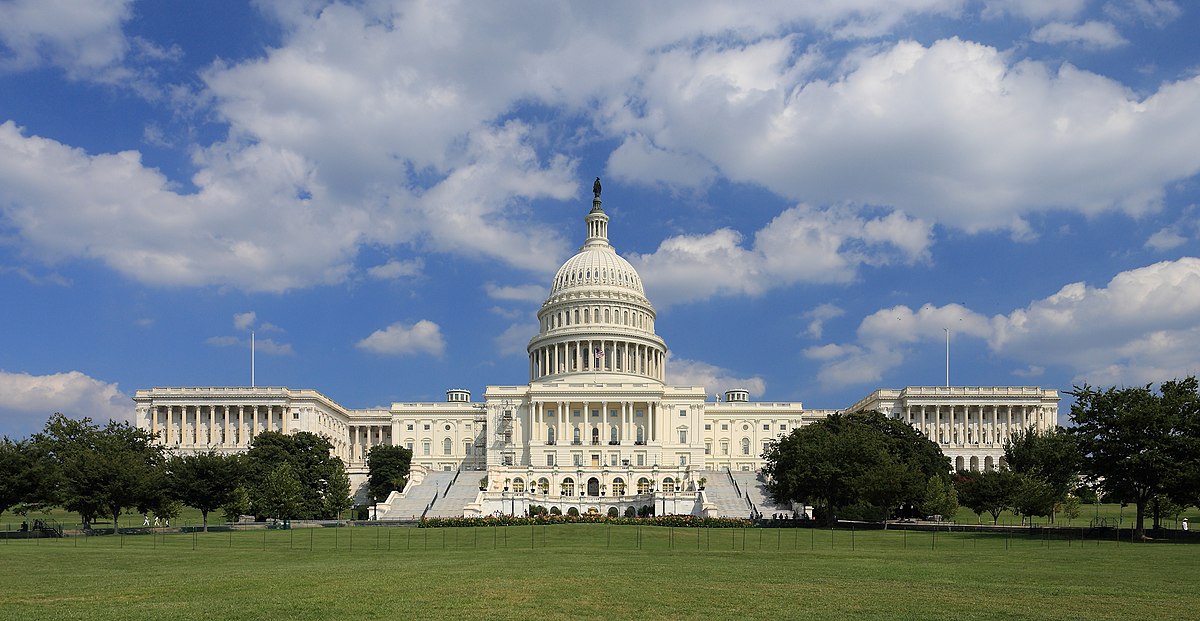
On April 23, 2026, the U.S. Senate passed the 2026 budget resolution and sent the proposed text to the House. The resolution was passed 50-48, with no Democrats voting in favor and two Republicans, Sen. Rand Paul (R-Ky.) and Sen. Lisa Murkowski (R-Alaska), voting against; Sen. Grassley (R-Iowa) and Sen. Warner (D-Va.) did not vote.…
-
Kentucky legislature overrides governor's veto on Medicaid work requirements bill

On April 14, 2026, the Kentucky General Assembly voted along party lines to override line item vetoes from Kentucky Gov. Andy Beshear (D) of House Bill 2 and enshrined changes to Medicaid rules into state law. Beshear had vetoed several portions of the bill, including a requirement that Medicaid applicants demonstrate three months of compliance…
-
Idaho governor signs Medicaid work requirements bill requiring three months of compliance before enrollment
A previous version of this story included an error stating that Idaho was the only state requiring three months of compliance with Medicaid work requirements prior to enrollment. Indiana also recently passed a bill that requires this. On April 10, 2026, Idaho Gov. Brad Little (R) signed House Bill 913 establishing Medicaid work requirements in…
-
USDA guidance in response to litigation reinstates SNAP benefits for some ABAWDs
On Feb. 26, 2026, the United States Department of Agriculture (USDA) sent guidance to state agencies reversing its November 2025 termination of 18 Supplemental Nutrition Assistance Program (SNAP) work requirement waivers. The reversal came as a result of ongoing litigation that challenged the early termination of these waivers. All of the waivers that the USDA's…
-
Arizona governor vetoes bill requiring the state to lower SNAP payment error rate to 3% by December 2030.
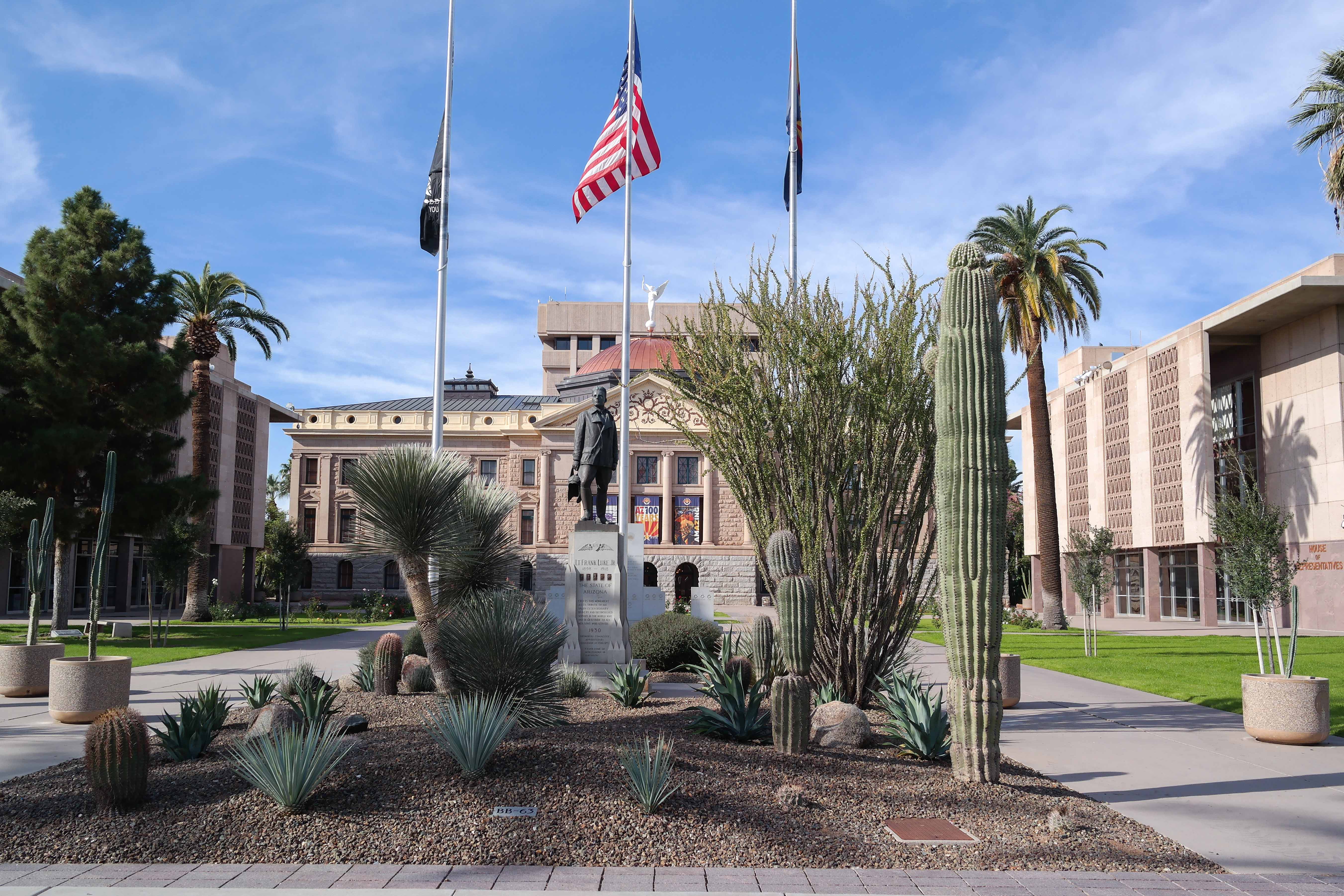
On Feb. 20, Governor Katie Hobbs (D) vetoed House Bill 2206, which would have required the Arizona Department of Economic Security to lower the state's Supplemental Nutrition Assistance Program (SNAP) payment error rate to 3% or lower by December 30, 2030. This bill was introduced after the One Big Beautiful Bill Act (OBBBA or H.R.1)…