

Author: Mina Vogel
-
Stopgap funding bill delays OMB grants rule until December 11
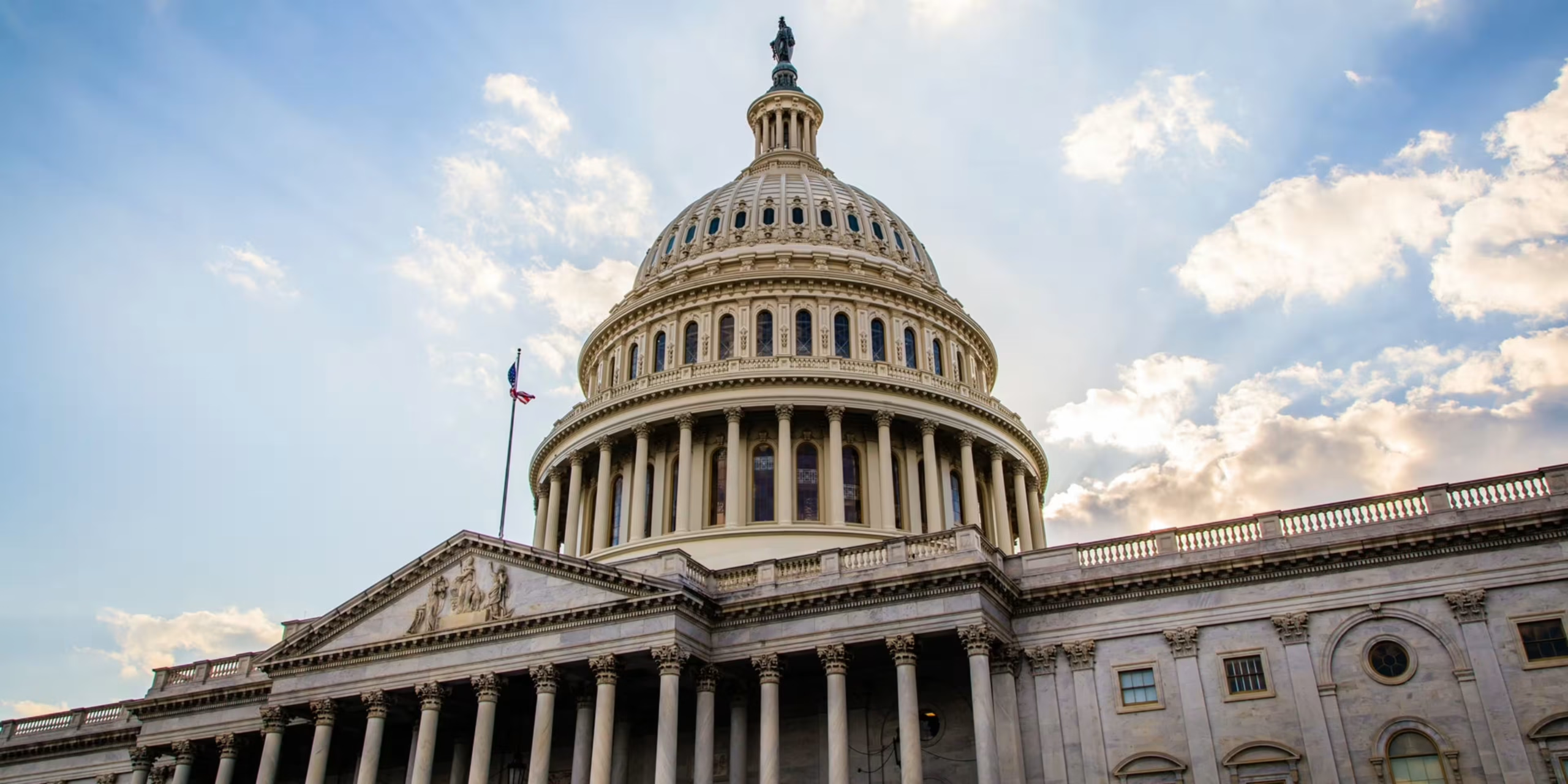
On September 3, President Donald Trump (R) signed a stopgap spending bill which funds the federal government until Dec. 11. The bill averted a government shutdown, but also delayed the implementation of an Office of Management and Budget (OMB) proposed rule on federal grantmaking that would give political appointees and agencies more say in awarding…
-
North Carolina enacts bill restricting judicial deference by administrative law judges

North Carolina became the fifth state to restrict judicial deference through legislation in 2026 when Gov. Josh Stein (D) signed Senate Bill (SB) 445, the Regulatory Review Act of 2026, into law on Aug. 11. The new law prohibits administrative law judges (ALJs) from engaging in the practice of judicial deference to state agencies’ interpretations…
-
New EO on federal contracting
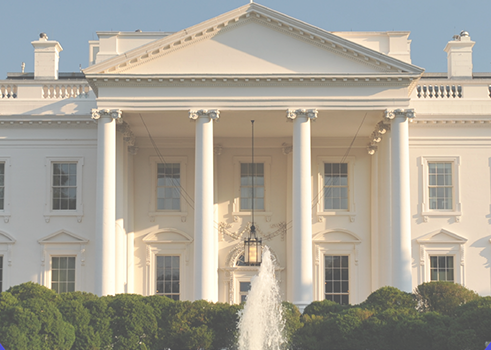
Executive Order Changes Federal Contracting Policy On April 30, 2026, President Donald Trump (R) issued an executive order which modified how the federal government structures government contracts. The order directed agencies to preferentially use fixed-price performance-based contracts rather than cost-reimbursement contracts. In a fixed-price contract, a contractor delivers goods or services to the government at…
-
U.S. Supreme Court rules 6-3 for presidential removal of independent agency commissioners

On June 29, the U.S. Supreme Court ruled 6–3 in the case of Trump v. Slaughter that the president may remove a leader of a multi-person independent agency for reasons other than those enumerated in statute. The Court upheld President Donald Trump's (R) 2025 dismissal of Federal Trade Commission (FTC) Commissioner Rebecca Slaughter, ruling that…
-
Recent administrative state legislation includes bills related to immigration enforcement, agency authority, and sunset provisions

Between May 19 and June 18, 2026, Ballotpedia tracked a significant legislative action (enactment, veto, passage through both chambers) for 36 bills related to the administrative state in 14 states. Some highlights include a bill modifying agency structure in South Carolina, a sunset provision extension in Colorado, and a veto related to immigration enforcement in…
-
Georgia enacts law restricting judicial deference and requiring economic analyses for new regulations
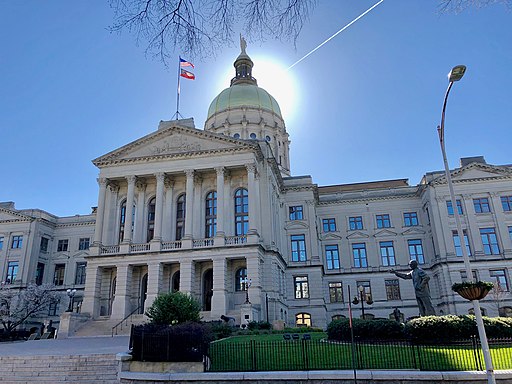
On May 12, 2026, Georgia Gov. Brian Kemp (R) signed HB 1247 into law. The bill, which supporters call the Georgia Bureaucratic Deference Elimination Act, requires Georgia agencies to submit economic impact analyses of their rules to the legislature, and restricts the practice of judicial deference by state courts. The portion of the bill that…
-
Tennessee Enacts REINS-style bill, the second REINS state in 2026

On May 19, Tennessee Gov. Bill Lee (R) signed HB 1913 into law. The bill introduces a REINS-style requirement for agency rulemaking, under which the legislature must approve of proposed rules exceeding a cost threshold. The bill also requires rulemaking agencies to seek feedback from trade organizations that would be affected by a proposed rule,…
-
Department of Education issues regulation modifying federal student loan programs

On May 1, the Department of Education issued a final rule that overhauls federal graduate student borrowing limits, parental borrowing limits, and replaces current income-driven repayment plans. This regulation, the majority of which will go into effect on July 1, 2026, implements some of the changes that the One Big Beautiful Bill Act (OBBBA) made…
-
Five Republican trifecta states and one with divided government enact bills reducing agency power in 2026

State legislative sessions in 2026 have featured a number of bills affecting the administrative state, with five Republican trifecta states and one state with a divided government enacting bills that reduce the power of state agencies. The term administrative state refers to executive branch agencies with unelected officials (in this case, at the state level)…
-
Alabama enacts bill ending state judicial deference, Georgia Legislature passes similar bill
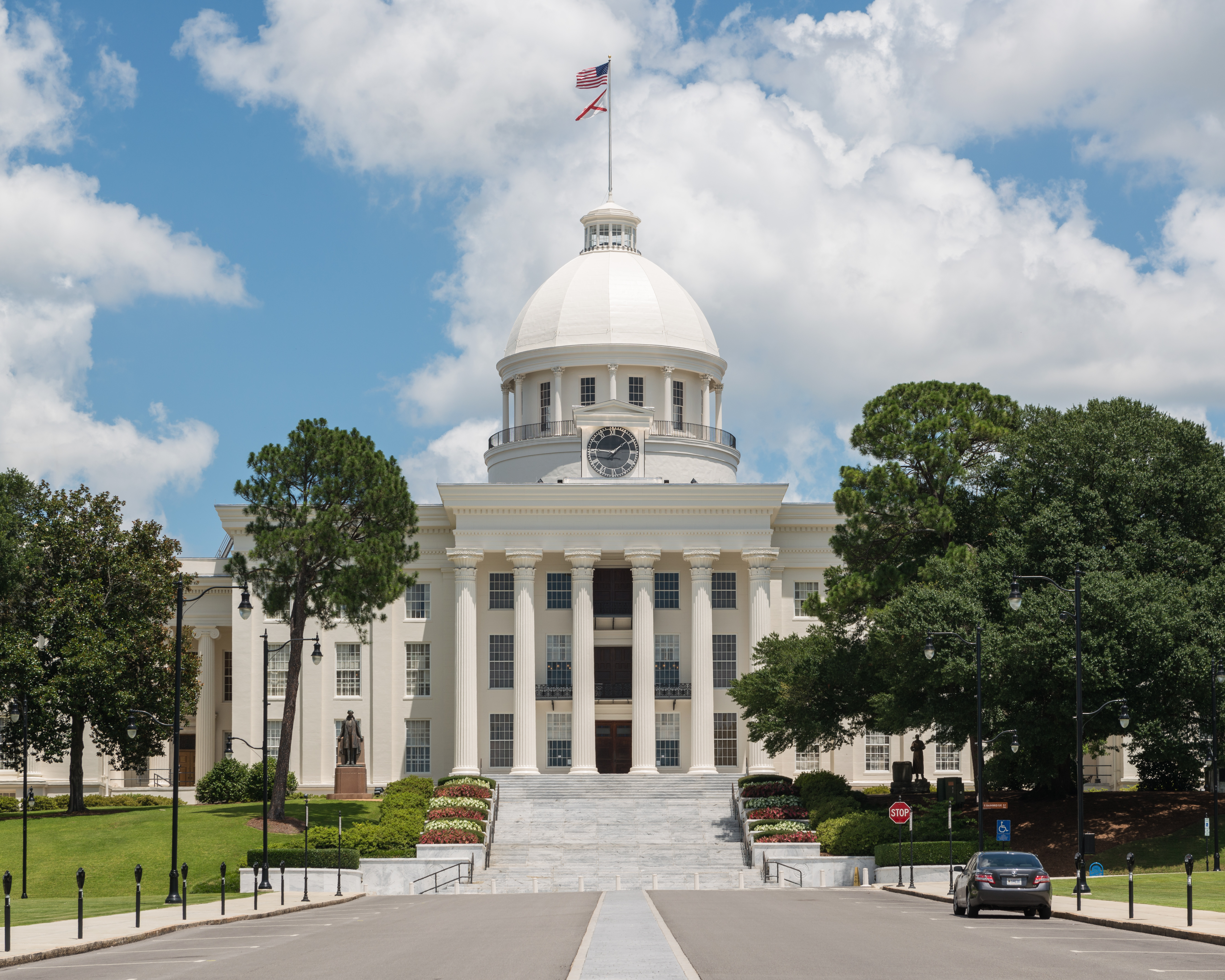
On March 31, 2026, Alabama GovernorKay Ivey (R) signed SB 167, ending judicial deference practices in state courts. Judicial deference is a practice by courts by which they adopt an agency’s reading of an ambiguous statute, regulation, or other document in cases involving that agency. SB 167 removes language in the state Administrative Procedure Act…