

Category: Ballot measures
-
Voters will decide on 13 ballot measures to establish or modify state constitutional rights in 2026
On Nov. 3, voters in nine states will decide 13 ballot measures to establish, expand, or repeal rights in state constitutions. State constitutional rights affect the relationship between individuals and state and local governments. The U.S. Constitution establishes a minimum level of protection that states cannot violate, while state constitutions may establish more specific rights.…
-
Colorado voters will decide on a graduated income tax initiative that competes with an income tax cap measure in November

On Nov. 3, 2026, voters in Colorado will decide on a ballot initiative that would establish a graduated income tax. Initiative 195 The measure, Initiative 195, would establish a six-tier structure for state income taxes, ranging from 3.7% to 8.4%, and remove the uniform tax rate requirement from the Taxpayer's Bill of Rights (TABOR). Currently,…
-
Over the past two weeks, 10 new ballot measures certified across Colorado and Nebraska, and one removed from the ballot in Colorado
As of Sept. 1, 161 statewide measures have been certified for the ballot in 40 states, 12 more measures than the average number certified at this point in other even-numbered years over the past decade (2014 to 2024). Over the past two weeks: By this point in even-numbered years from 2014 through 2024, an average…
-
Colorado voters to decide on constitutional amendment requiring ballot questions at an eighth-grade reading level and limiting conflicting language requirements
Voters in Colorado will decide on an initiated constitutional amendment related to the readability of ballot measure questions. Initiative 234 The initiative — known as Initiative 234 — would require ballot questions to be in plain language, at no more than an eighth-grade reading level. It would also prohibit the enforcement of any state law…
-
Voters in seven states to decide 13 property tax measures in 2026

In 2026, voters in seven states will decide—or have already decided—13 statewide ballot measures related to property tax policy. Louisiana voters defeated one measure, Amendment 4, on May 16. The remaining 12 measures will appear on the November 3 ballot in Florida, Georgia, Louisiana, North Carolina, Oklahoma, Tennessee, and Wyoming. Of these measures: Of the…
-
San Francisco voters to decide on 11 local ballot measures on Nov. 3, 2026

Voters in San Francisco, California, will decide on 11 ballot measures on Nov. 3, 2026, including six charter amendments, four ordinances, and one regional measure. Two measures concern the public transportation system: Proposition D would make the following changes to the ballot measure process: Two measures concern the city’s real estate transfer tax: Proposition G…
-
2026 ballot measure count surpasses 153-measure even-year average, reaching 157 with Nebraska and Colorado certifications
Two Nebraska sports-betting initiatives and three initiatives in Colorado were certified, bringing the nationwide total for 2026 to 157 measures. This exceeds the average of 153 measures certified per even-numbered year. The average is based on the past six even-numbered election cycles, from 2014 through 2024. During this period, 2018 had the most statewide ballot…
-
At least eight ballot measures in 2026 will address state initiative and referendum processes, the highest number since 2000
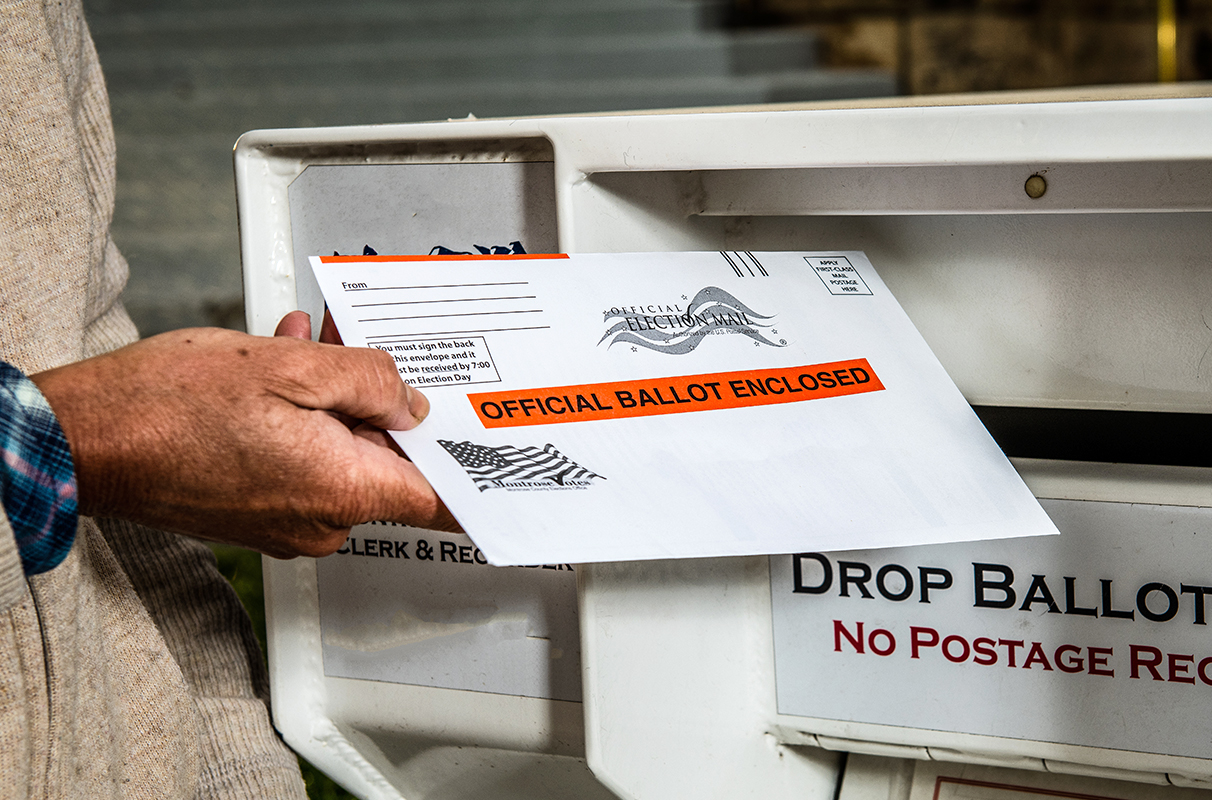
In 2026, voters will decide on at least eight ballot measures related to the initiative and referendum process. Seven measures would add requirements or restrictions to the process, including two that voters decided earlier in the year in North Dakota and Missouri. One measure would expand constitutional provisions related to the initiative and referendum process.…
-
Colorado voters to decide on the first citizen initiative establishing a constitutional right to hunt and fish
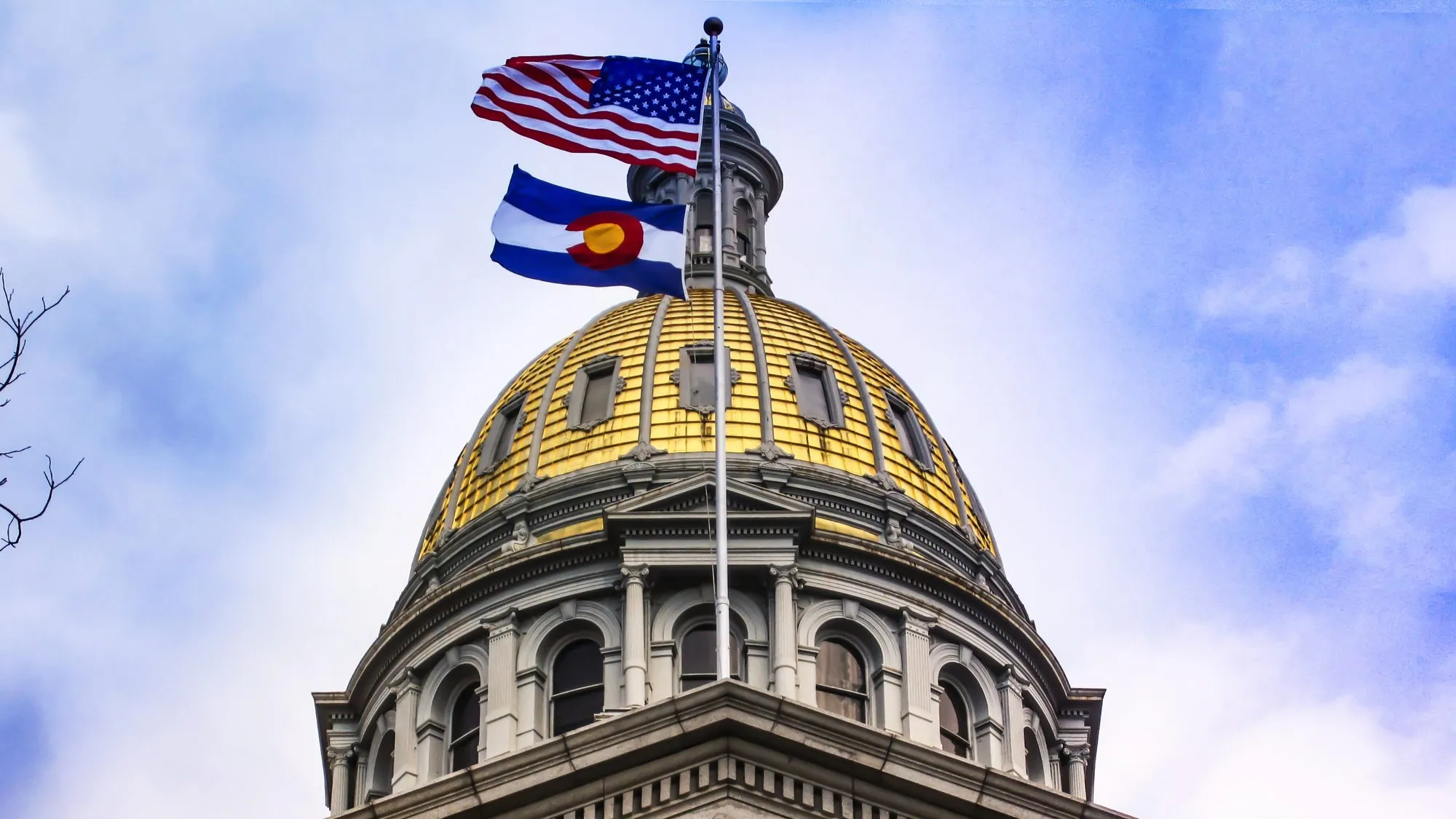
Voters in Colorado will decide on a ballot measure related to the right to hunt and fish on Nov. 3, 2026. Initiative 302 The initiated constitutional amendment — Initiative 302 — would establish the right of the people to hunt, fish, and otherwise take fish and wildlife, including by traditional methods. It would also specify…
-
Colorado voters to decide on an initiative that would retain sales tax revenue for an environmental fund

Voters in Colorado will decide on a ballot measure related to the allocation of sales tax revenue on Nov. 3, 2026. Initiative 308 The measure, Initiative 308, would exempt sales tax revenue generated from the sale of sporting goods and equipment from the Taxpayer's Bill of Rights (TABOR) provision, which requires excess funds to be…