

Tag: constitutional amendment
-
Minnesota voters to decide on a constitutional amendment that would allow more state funds to be distributed to school districts each year

Minnesota voters will decide on a constitutional amendment that would change the policies surrounding the investment and distribution of the Minnesota Permanent School Fund. On May 16, 2026, the Minnesota state legislature approved House File 3900 (HF 3900), which placed the constitutional amendment on the November 2026 ballot for voters to decide. On March 2,…
-
Vermont constitutional amendment on equal protection of the law headed to November ballot

Vermont voters will decide on a constitutional amendment that would provide "that the people are guaranteed equal protection under the law." The constitutional amendment would also add language prohibiting the denial of rights to a person based on their race, ethnicity, sex, religion, disability, sexual orientation, gender identity, gender expression, or national origin. On May…
-
Iowa voters will decide a constitutional amendment that would require two-thirds approval from the general assembly to increase income taxes
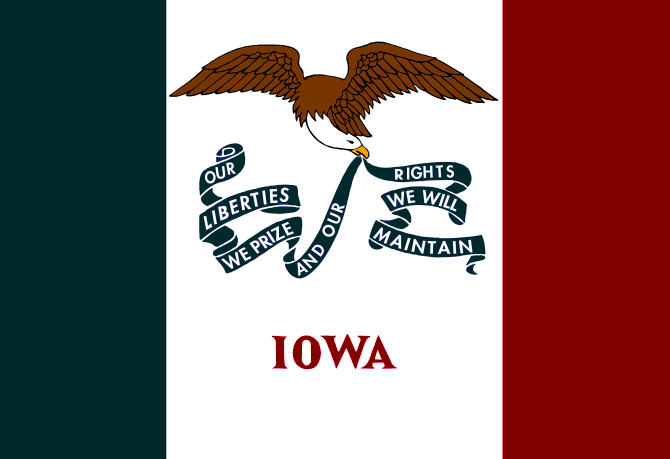
Iowa voters will decide on a constitutional amendment at the November 3, 2026, election that would require a two-thirds (about 66.67%) vote from both chambers of the general assembly to approve a bill that would increase the individual or corporate income tax rate. The amendment would also require a two-thirds vote in both chambers of…
-
Missouri voters to decide on constitutional amendment to phase out and eliminate state income tax
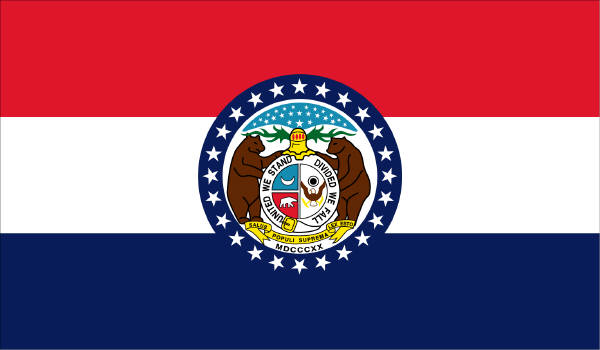
Missouri voters will decide on a constitutional amendment requiring lawmakers to phase out and eliminate the state income tax. Rep. Bishop Davidson (R-130) introduced the constitutional amendment as House Joint Resolutions 173 & 174 in the Missouri House of Representatives. The House passed the measure 98–54, with one Democrat and 97 Republicans voting yes and…
-
California Secretary of State certifies first ballot initiatives of the 2026 cycle; voters to decide on increasing the vote requirement for initiated special local taxes and a new homeownership loan program

The California secretary of state announced on April 21 that two ballot initiatives had qualified for the November ballot — the first initiatives to qualify this election cycle in California. One is an initiated constitutional amendment that would increase the vote requirement to pass citizen-initiated local special taxes from a simple majority (50%+1) to a…
-
New Hampshire voters to decide amendment to eliminate register of probate references from state constitution; similar measure failed two-thirds requirement in 2022
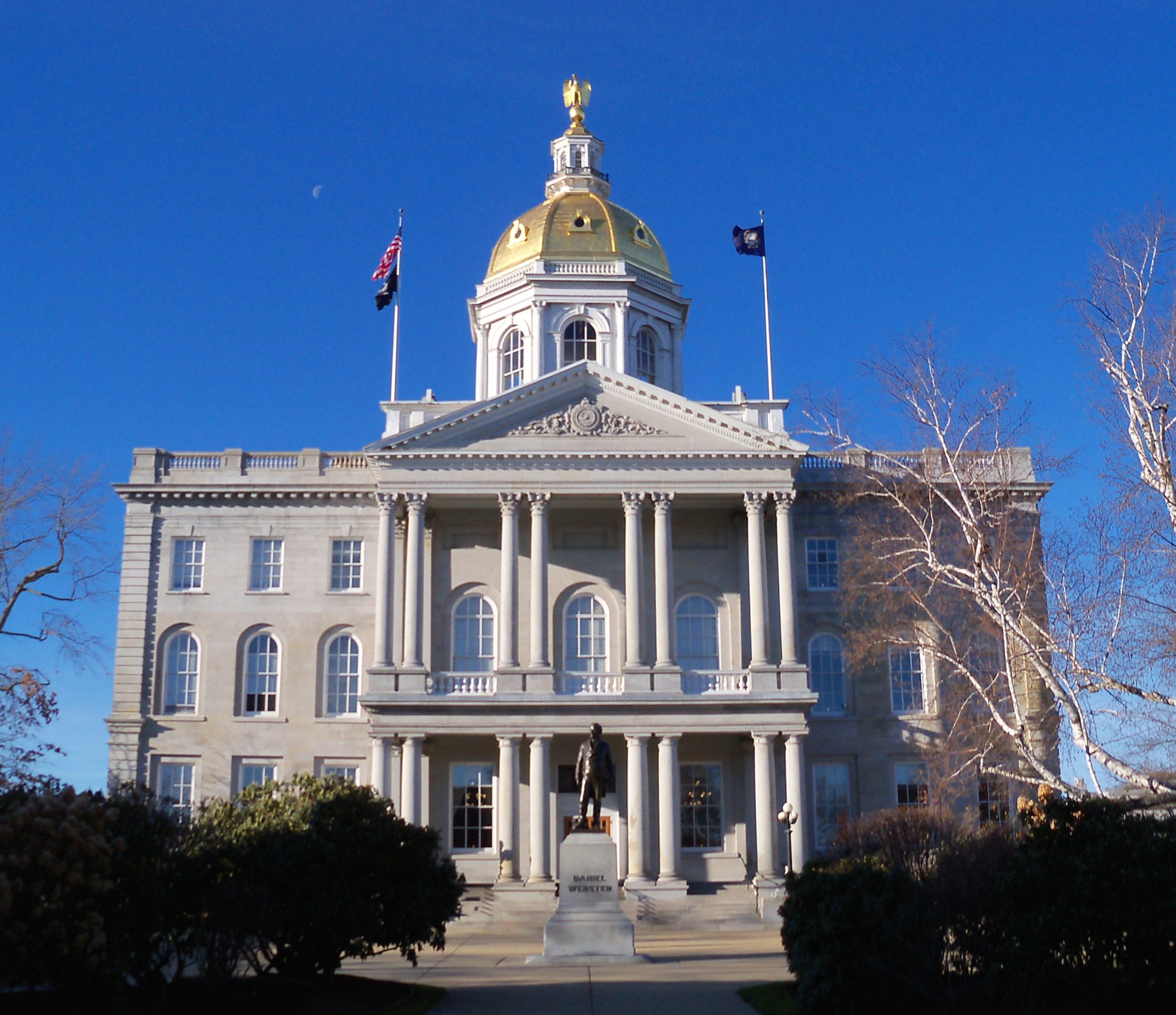
New Hampshire voters will be deciding on a constitutional amendment to eliminate references to the register of probate from the New Hampshire Constitution. It will appear on the Nov. 3, 2026 ballot. The amendment, Concurrent Resolution 13, was introduced by Rep. Dennis Mannion (R) on Dec. 1, 2025. In order for a constitutional amendment to…
-
New Mexico lawmakers approve three pieces of election-related legislation in 2026 session

During New Mexico's 2026 regular legislative session that ended on Feb. 19, lawmakers adopted one election-related resolution and passed two election-related bills, both of which Gov. Michelle Lujan Grisham (D) signed in March. Senate Joint Resolution 1 proposes a constitutional amendment to voters that would allow school elections to be held on the same dates…
-
West Virginia voters to decide on homestead exemption increase amendment in Nov. 2026

As the West Virginia State Legislature adjourned on March 14, 2026, one amendment—a measure that would state that only citizens may vote in elections—made the ballot. However, several amendments, including a homestead exemption increase, did not make the 2026 ballot. The amendment would have increased the minimum homestead exemption for certain homeowners from $20,000 to…
-
West Virginia becomes fourth state to place citizenship requirement amendment on 2026 ballot
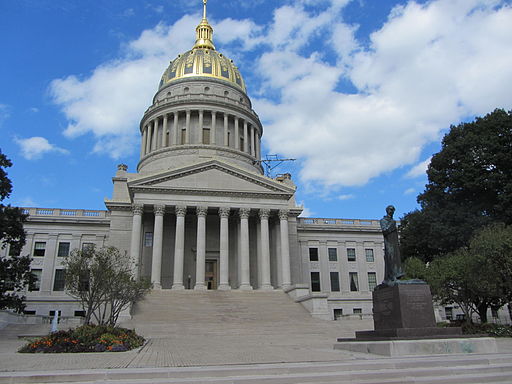
This November, West Virginia voters will decide on a constitutional amendment that would provide that only U.S. citizens may vote in elections. The amendment, Senate Joint Resolution 9 (SJR 9), was referred to the ballot by the West Virginia State Legislature, with the House voting 97-0 on March 13, and the Senate voting 34-0 on…
-
Wisconsin voters to decide on a constitutional amendment related to the governor's partial veto powers in 2026
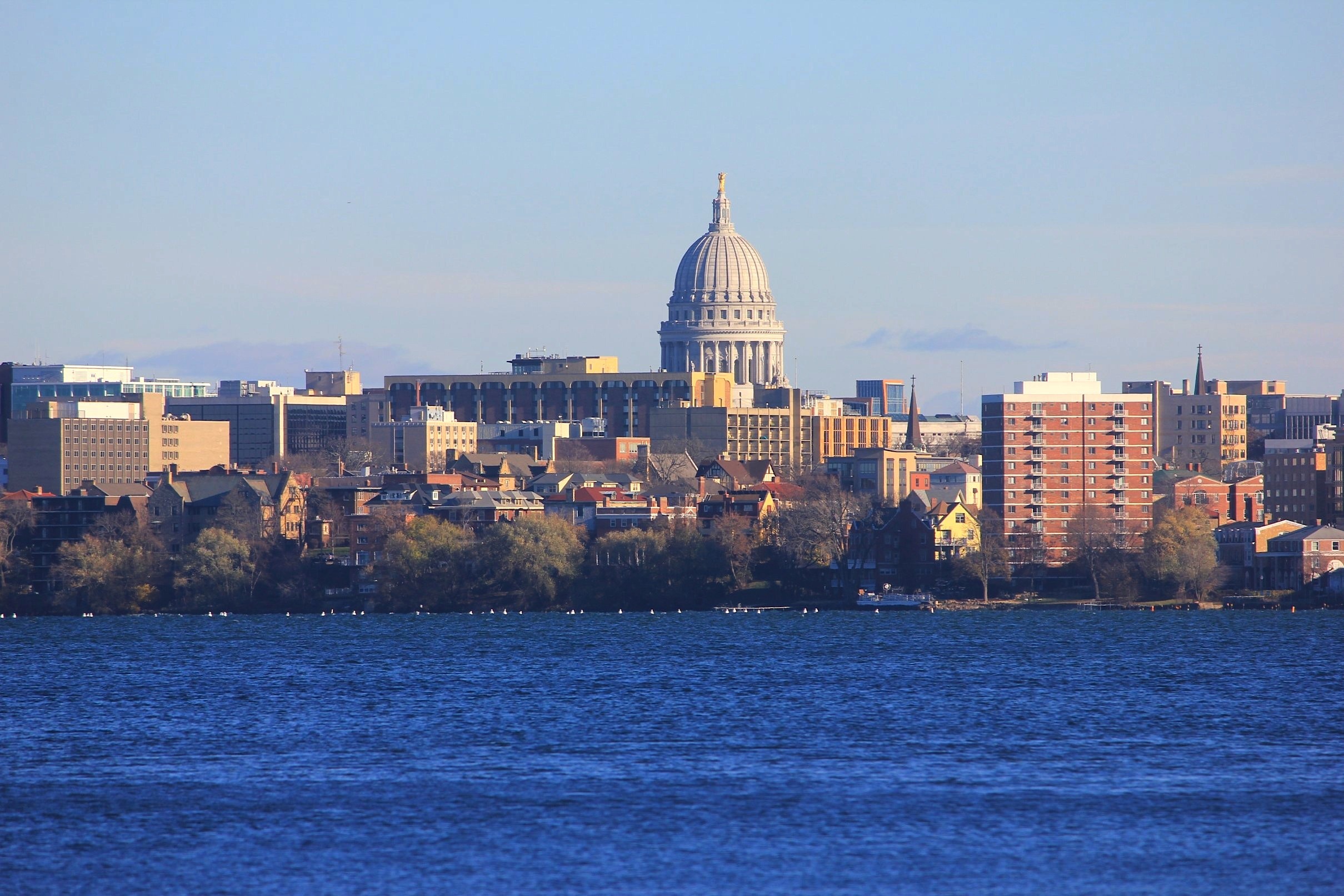
The Wisconsin State Legislature approved a constitutional amendment related to the governor's veto powers for the Nov. 3, 2026, statewide general election ballot. Legislators passed the amendment on Feb. 19, 2026. Senate Joint Resolution 116 Introduced as Senate Joint Resolution 116 (SJR 116) on Dec. 30, 2025, the constitutional amendment would prohibit the governor from…