

Tag: election law
-
Alaska Supreme Court rules that Dan Sullivan must appear on the state’s U.S. Senate ballot this year
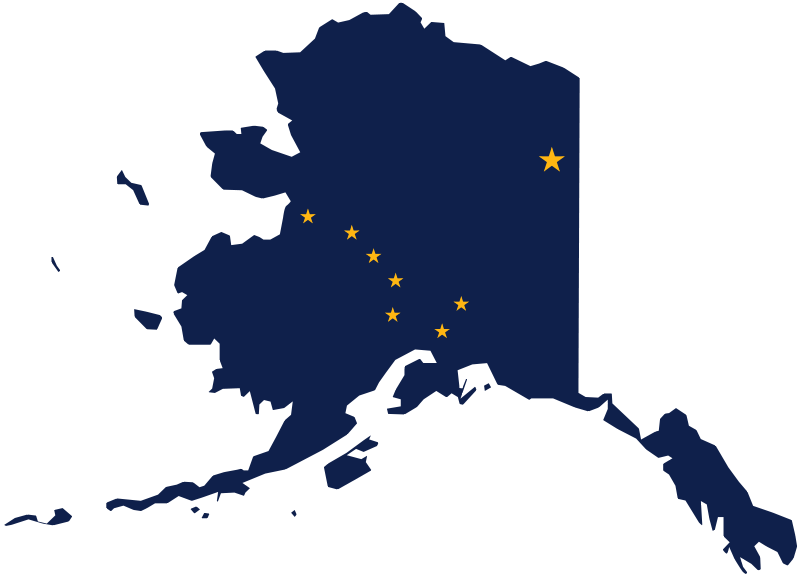
On June 29, 2026, the Alaska Supreme Court issued an order that the Alaska Division of Elections must allow Dan Sullivan (R), a retired teacher, to run in the top-four primary for the U.S. Senate in Alaska. As a result, Sullivan will be on the same ballot as incumbent U.S. Sen. Daniel S. Sullivan (R-Alaska),…
-
Maine updates campaign finance laws, passes one other election-related bill in 2026
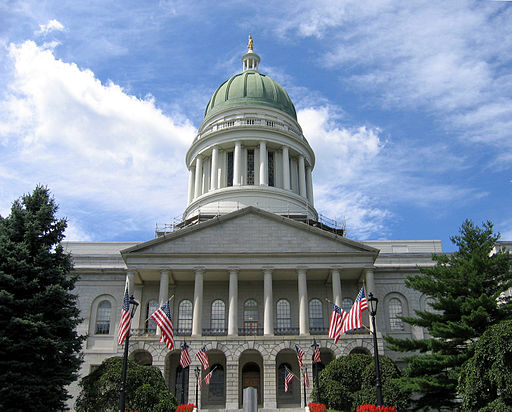
The Maine Legislature adjourned its 2026 regular session on April 29 after enacting two election-related bills, both of which were signed by Gov. Janet Mills (D). One of those bills was LD 2000, which requires party committees to report all expenditures made to influence a campaign. It also changes various thresholds for when candidates must…
-
Alabama enacts post-election audit law, 13 other election-related bills in 2026 session
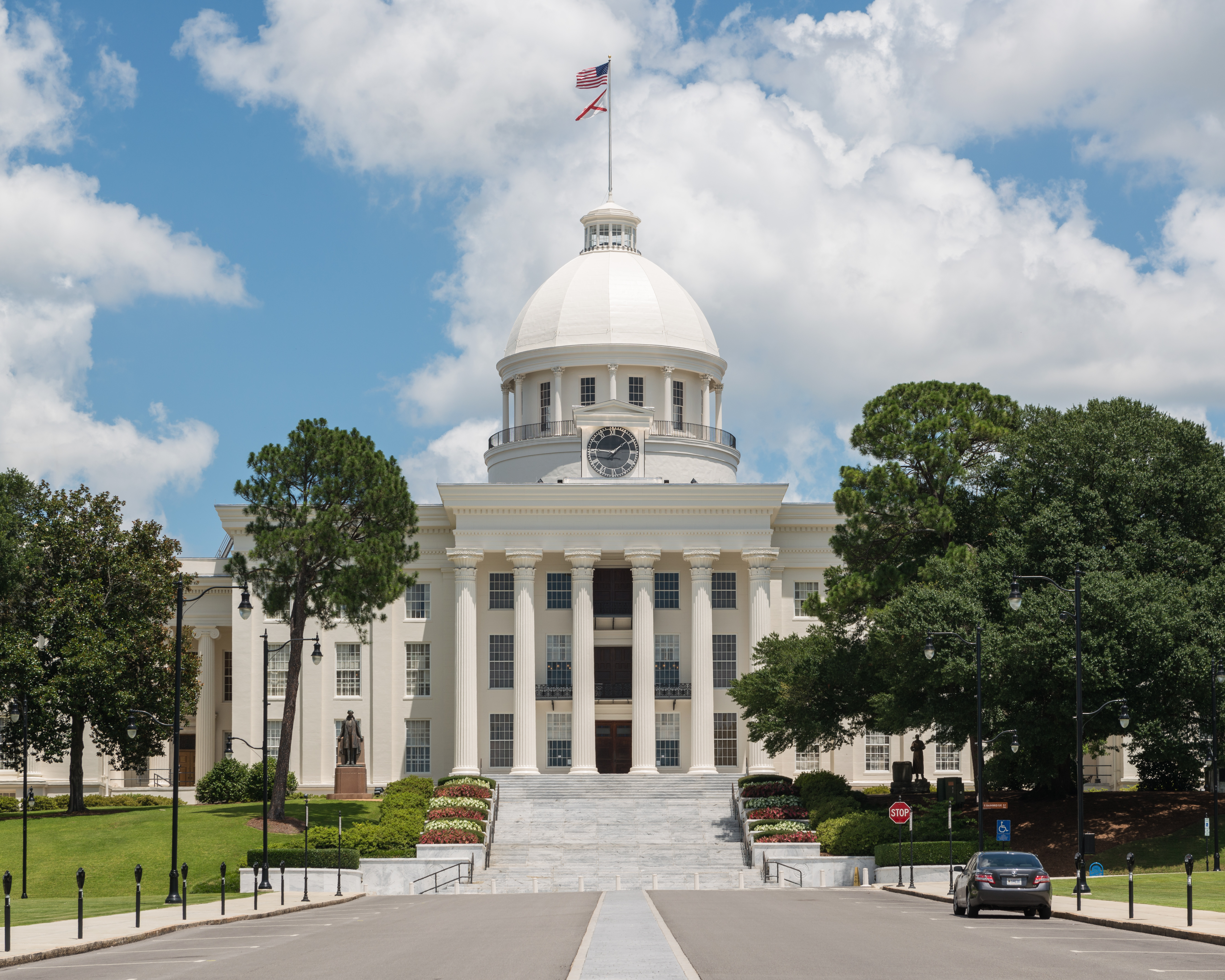
The Alabama Legislature adjourned its regular session on April 9 after enacting 14 election-related bills, all of which Gov. Kay Ivey (R) signed. Among those bills was HB 95, which requires post-election audits. Under the new law, each county judge of probate is required to order a post-election audit after every countywide and statewide general…
-
U.S. Supreme Court to hear oral arguments on legality of Mississippi's absentee ballot return law
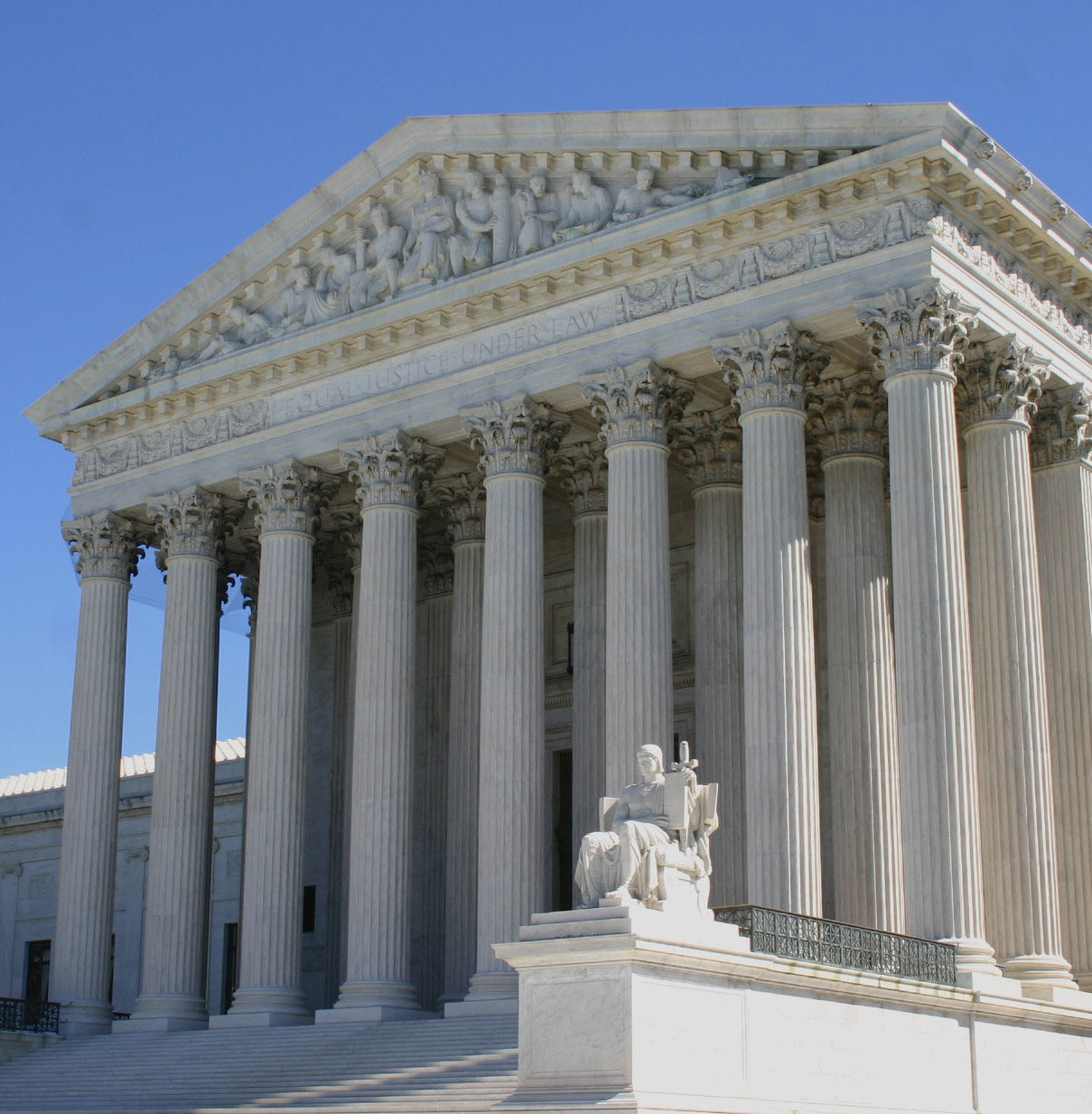
The U.S. Supreme Court will hear oral arguments on March 23 in Watson v. Republican National Committee, a case challenging the legality of a Mississippi law that allows absentee ballots postmarked by Election Day to be counted if they are received up to five business days after the election. Mississippi is one of 14 states that…
-
New Mexico lawmakers approve three pieces of election-related legislation in 2026 session
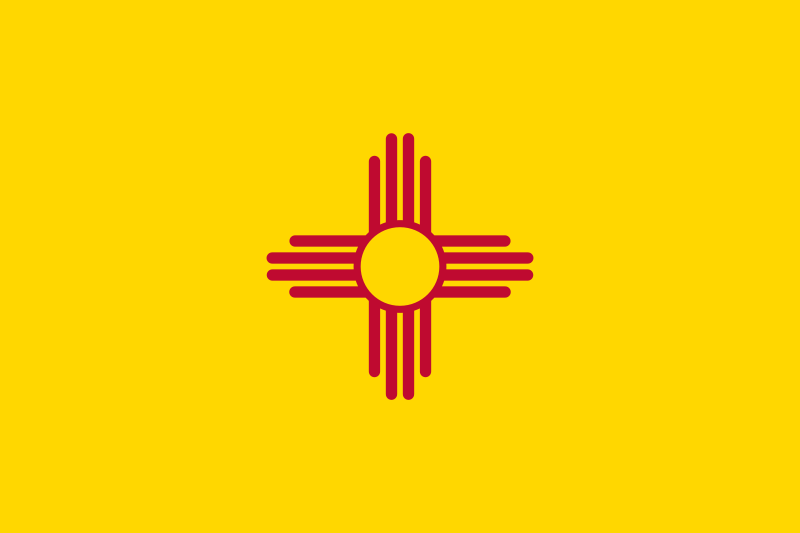
During New Mexico's 2026 regular legislative session that ended on Feb. 19, lawmakers adopted one election-related resolution and passed two election-related bills, both of which Gov. Michelle Lujan Grisham (D) signed in March. Senate Joint Resolution 1 proposes a constitutional amendment to voters that would allow school elections to be held on the same dates…
-
Wyoming expands post-election audit requirements, enacts three other election bills in 2026 session
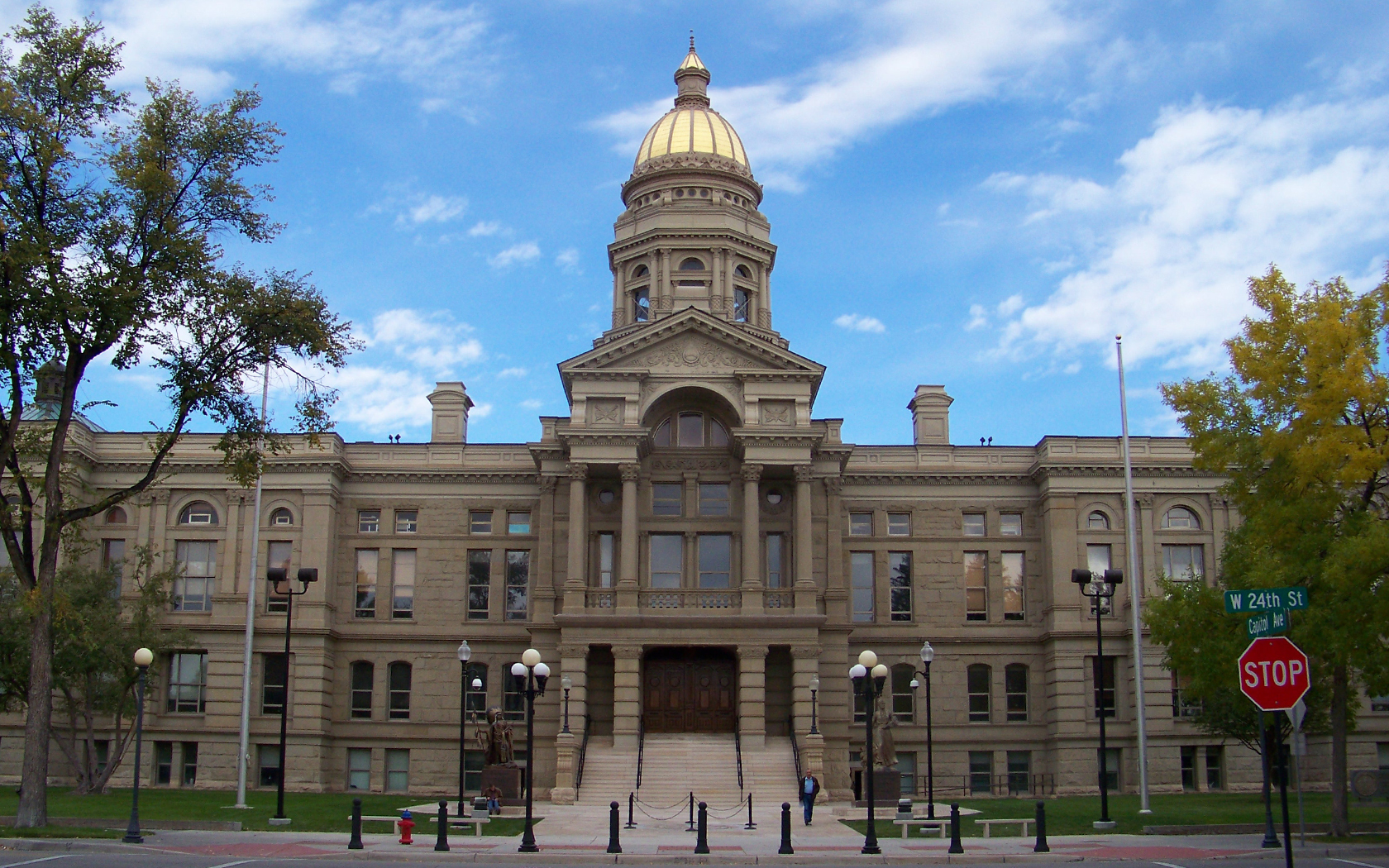
On March 11, Wyoming lawmakers adjourned for the 2026 regular session after enacting four election-related bills. Among those bills was SF 113, which requires election officials to conduct a hand count audit of physical ballots cast during the 2026 primary and general elections. Each county is required to hand-count as close to 5% of all…
-
Alaska voters may decide on campaign finance and ranked-choice voting repeal ballot initiatives in 2026
Alaska voters may decide on two citizen-initiated measures in 2026—one measure that would enact new campaign finance limits, and another that would repeal top-four ranked choice voting in the state. Both measures are citizen-initiated ballot measures, meaning they were proposed by citizens rather than the state legislature. In Alaska, citizens have the power to initiate…
-
Wisconsin voters to decide on adding voter photo ID requirement to state constitution on April 1
Wisconsin voters will decide on a constitutional amendment on April 1 to require photo identification to vote. A photo ID is already required by state law. The state legislature took the final vote on Jan. 14 to send the amendment to voters. Currently, 35 states require voters to present identification in order to vote at…
-
Arizona lawmakers implement a new deadline for certifying results, while Governor Katie Hobbs vetoes other changes
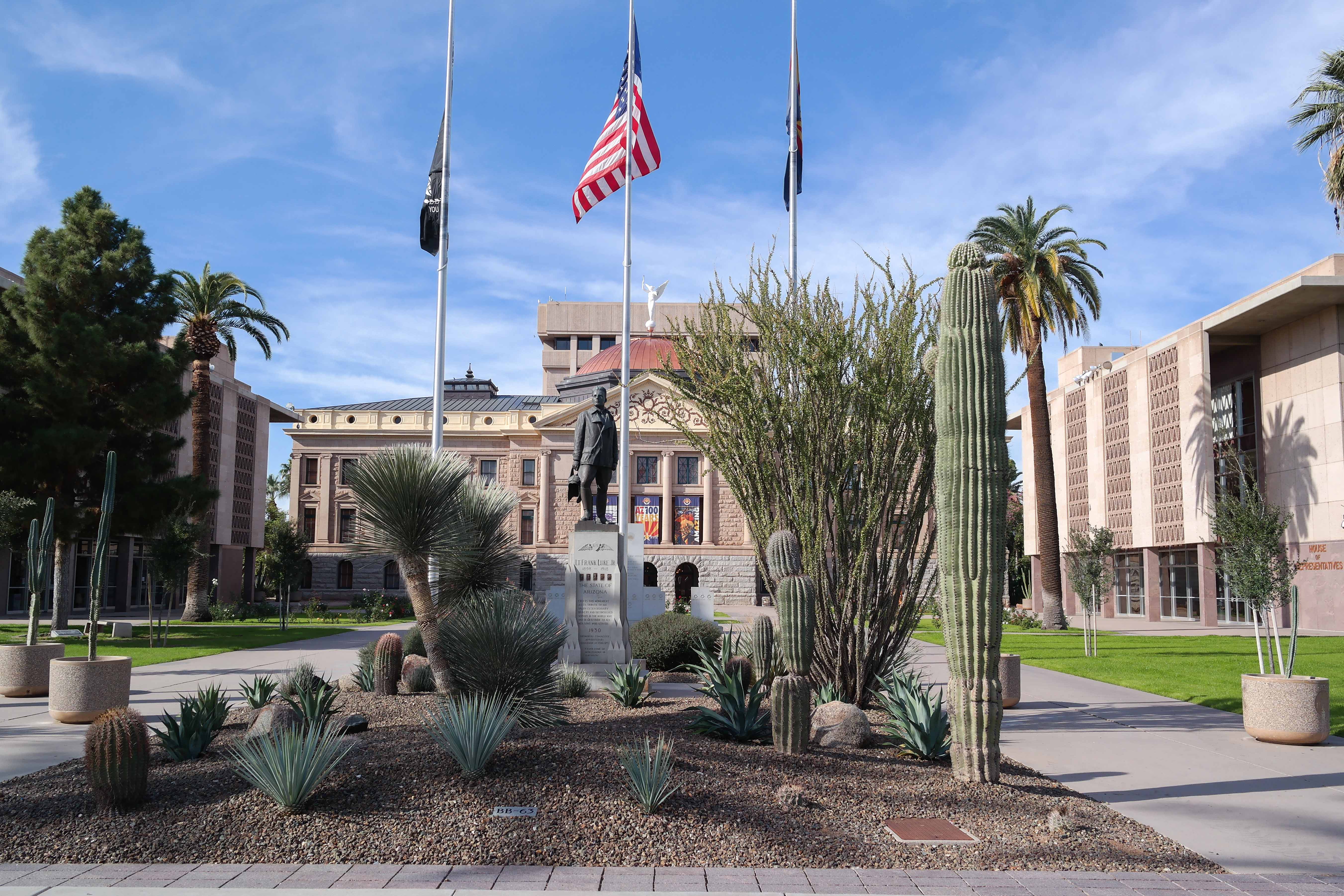
Arizona enacted 10 election-related bills in the first half of 2024, the second most of any state with a divided government. New laws change the deadline for certifying elections, modify rules for hand-counted post-election audits, and add new notification requirements if a voter's registration is changed: HB 2785 moved up the statewide primary date by one week…
-
Republican states adopt more voter list maintenance bills than states with Democratic trifectas and divided governments
Fourteen states adopted new laws related to maintaining accurate voter registration rolls in the first half of 2024. Ten of these bills came from states with Republican trifectas, two from states with Democratic trifectas, and two from states with divided governments. New laws in five states expand data-sharing procedures or create new requirements for reviewing…