

Author: Andrew Bahl
-
Florida, South Dakota, Utah enact proof of citizenship laws for voter registration
Florida, South Dakota, and Utah have joined nine other states in enacting laws requiring documentary proof of citizenship to register to vote. On April 1, Florida Gov. Ron DeSantis (R) signed HB 991, which includes a proof of citizenship requirement that takes effect on January 1, 2027. On March 26, South Dakota Gov. Larry Rhoden…
-
Senate takes up SAVE America Act to require voter ID, proof of citizenship for federal elections
On March 17, the U.S. Senate began debate on the SAVE America Act, which would require individuals to provide documentary proof of citizenship to register to vote and voter ID to cast a ballot in federal elections. As of March 24, debate continued in the Senate, and a final vote had not been scheduled. On…
-
U.S. Supreme Court to hear oral arguments on legality of Mississippi's absentee ballot return law
The U.S. Supreme Court will hear oral arguments on March 23 in Watson v. Republican National Committee, a case challenging the legality of a Mississippi law that allows absentee ballots postmarked by Election Day to be counted if they are received up to five business days after the election. Mississippi is one of 14 states that…
-
Ohio becomes second state this year to ban ranked-choice voting
On March 17, Gov. Mike DeWine (R) signed a bill making Ohio the 19th state to ban ranked-choice voting (RCV). Ohio is the second state to enact a prohibition on RCV this year, after Indiana Gov. Mike Braun (R) signed a ban in February. In 2025, six states enacted legislation prohibiting RCV. Six states also…
-
New Mexico lawmakers approve three pieces of election-related legislation in 2026 session
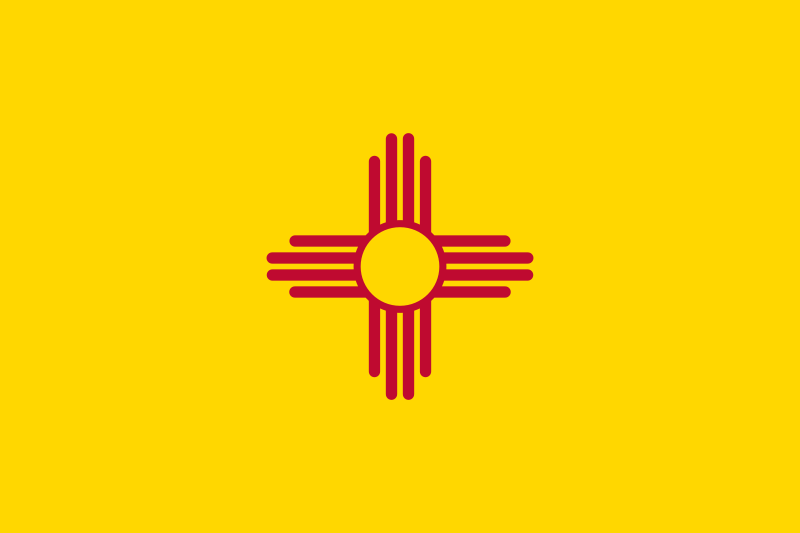
During New Mexico's 2026 regular legislative session that ended on Feb. 19, lawmakers adopted one election-related resolution and passed two election-related bills, both of which Gov. Michelle Lujan Grisham (D) signed in March. Senate Joint Resolution 1 proposes a constitutional amendment to voters that would allow school elections to be held on the same dates…
-
Wyoming expands post-election audit requirements, enacts three other election bills in 2026 session
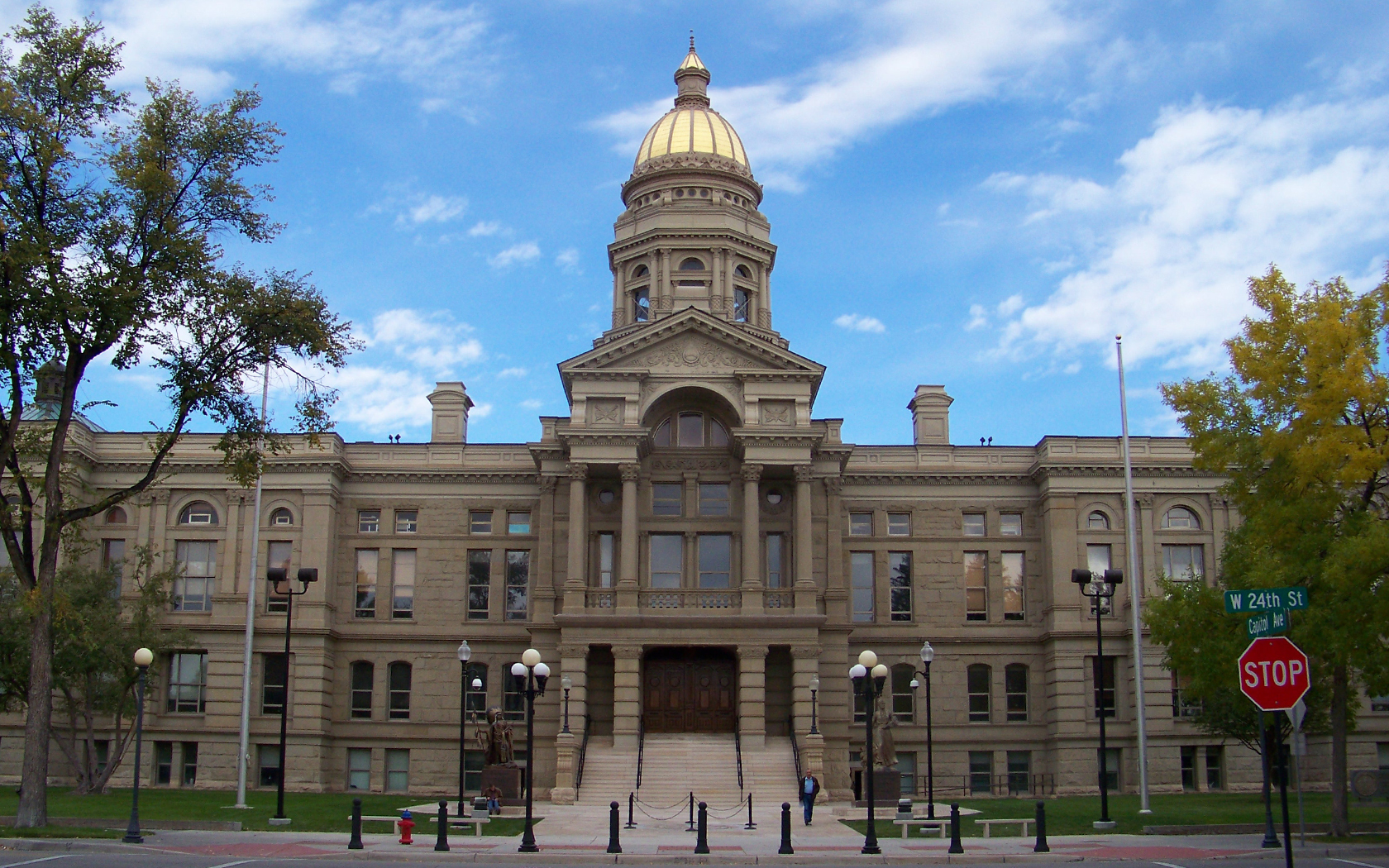
On March 11, Wyoming lawmakers adjourned for the 2026 regular session after enacting four election-related bills. Among those bills was SF 113, which requires election officials to conduct a hand count audit of physical ballots cast during the 2026 primary and general elections. Each county is required to hand-count as close to 5% of all…
-
Indiana lawmakers enact nine election-related bills during 2026 legislative session — in line with 2023-2025 average
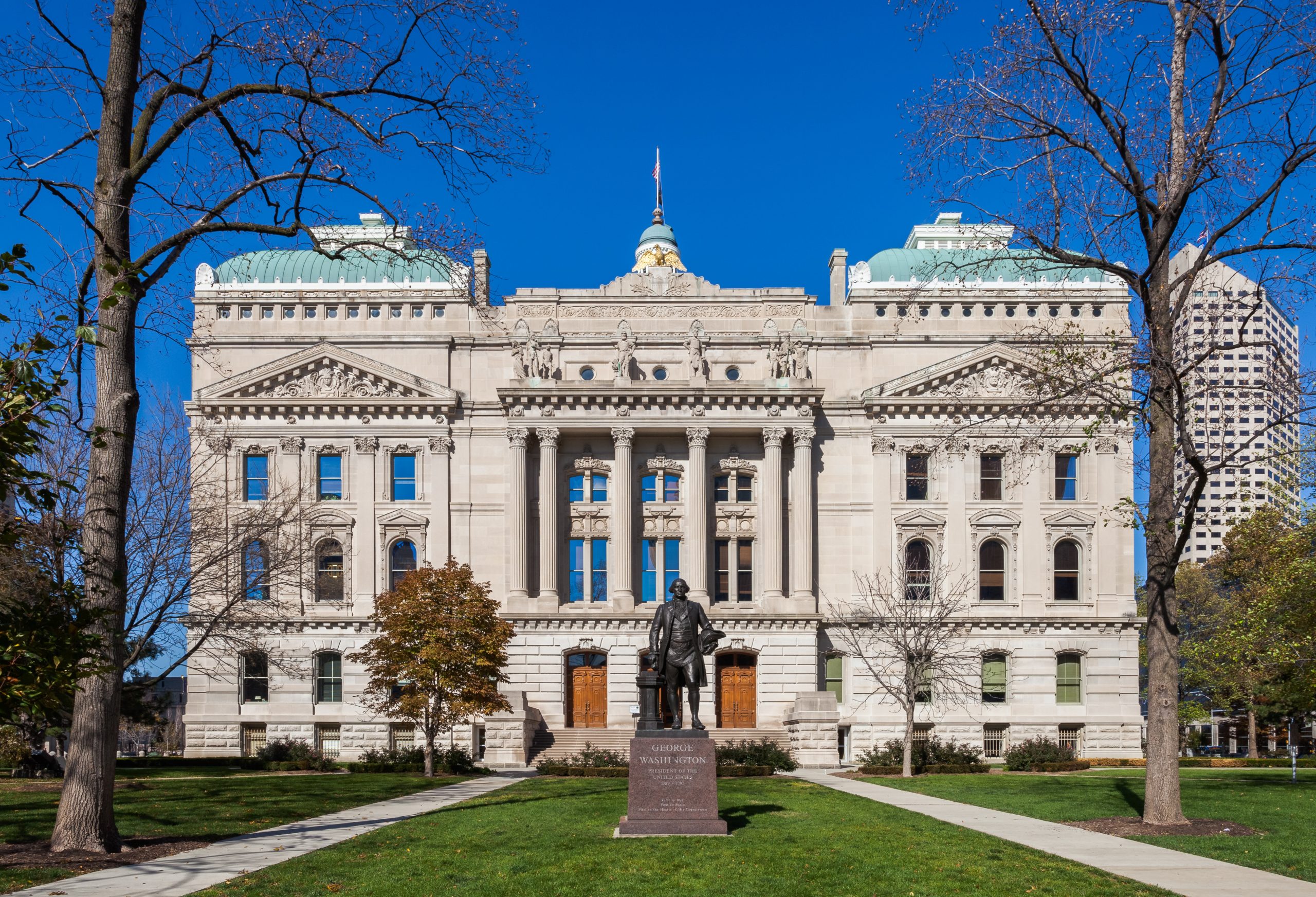
Indiana lawmakers adjourned for the 2026 regular session on Feb. 27. During the session, legislators sent nine election-related bills to Gov. Mike Braun (R), who signed each one. Among the nine bills was SB 12, which bans the use of ranked-choice voting (RCV), making Indiana the 18th state to prohibit RCV. The legislation passed the…
-
New Mexico enacts law prohibiting the deployment of troops to polling places
On March 9, New Mexico Gov. Michelle Lujan Grisham (D) signed legislation prohibiting a person from bringing or ordering military troops or armed federal agents to a polling place or ballot drop box location. Federal law prohibits the deployment of troops or United States servicemembers to a polling place “unless such force be necessary to…
-
What to know about states that don't use primary elections to nominate candidates
Arkansas, North Carolina, and Texas have their statewide primaries on March 3, kicking off the 2026 primary season. Generally, political parties use primary elections to determine their nominees in advance of a general election. In some cases, however, political parties can — or must — nominate candidates for the general election without conducting a primary.…
-
Indiana becomes the 18th state to ban ranked-choice voting
On Feb. 24, Indiana Gov. Mike Braun (R) signed legislation prohibiting the use of ranked-choice voting in the state, making Indiana the 18th state to ban RCV nationwide. Ranked-choice voting (RCV) is a system where voters rank candidates by preference on their ballots. In the RCV system most commonly used in the United States, a…