

Category: State
-
Georgia could have an automatic recount in 2026 under new law

A close race for governor in Georgia could trigger the state’s new automatic recount law, which will be in effect for the first time during the 2026 elections. Cook Political Report, Inside Elections, and Sabato’s Crystal Ball have all classified the 2026 gubernatorial race as a toss-up. Under SB 3EX, which was enacted in June,…
-
Republicans lead Democrats 24-20 in lieutenant governor offices with 31 seats on the 2026 ballot
Of the 31 lieutenant gubernatorial offices up for election this year, Democrats and Republicans each hold 15. The other office on the ballot is a new one. Arizona is holding its first election for lieutenant governor after voters created the office in 2022. This means the total number of offices is increasing from 45 to…
-
Record low number of uncontested incumbents in 2026 state legislative general elections
There are a record few uncontested incumbents in this year’s state legislative general elections. Of the 4,888 incumbents running for re-election, 979 of them (20%) are uncontested and guaranteed re-election. Ballotpedia uses the number and percentage of incumbents in uncontested general elections to help determine the overall competitiveness of an election cycle. A larger number…
-
California passes bill requiring large companies to disclose historical ties to slavery
On Sept. 30, California Gov. Gavin Newsom (D) signed Assembly Bill 2599, the Truth in Disclosure Act, which requires certain large companies doing business in California to disclose historical ties to chattel slavery. The law applies to companies with more than $100 million in annual worldwide sales that existed, or had a predecessor company that…
-
State supreme court vacancy count for September 2026

In this month's state supreme court vacancy update, Ballotpedia tracked announced retirements, nominations, appointments, confirmations, and the swearings-in of justices from Sept. 2 to Oct. 2, 2026. Ballotpedia tracks court vacancies in all 52 state supreme courts. Justices sworn into office: Four justices were sworn into office between Sept. 2 and Oct. 2, 2026. Candidates…
-
DLCC and RSLC both target Pennsylvania Senate, where Republicans have held a majority for 32 years

Elections for 25 of the 50 districts in the Pennsylvania Senate will take place on Nov. 3, 2026. Ahead of the general elections, Republicans have a 27-23 majority in the chamber. Republicans have controlled the chamber since gaining a majority in the 1994 general elections. Democrats last had a majority in the chamber in 1993,…
-
Washington voters will decide on three ballot measures in 2026, including topics on public education, school sports and sex, and income taxes
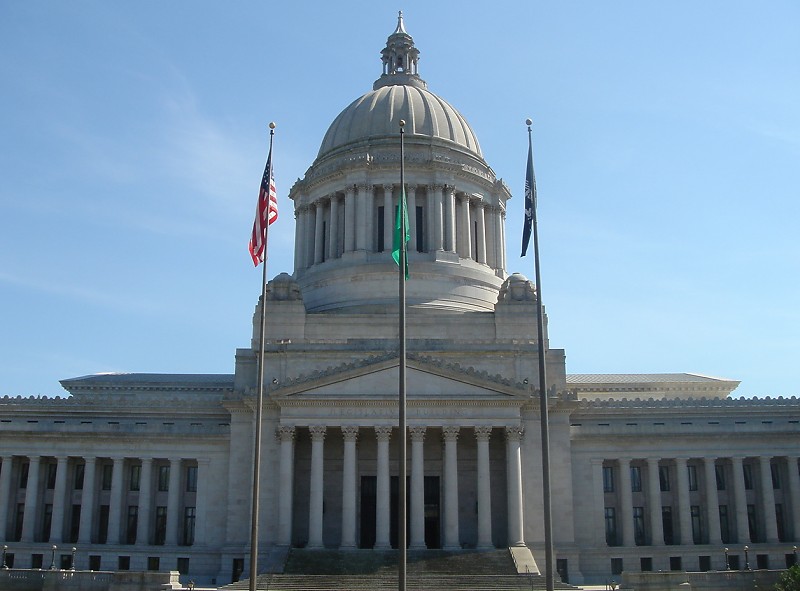
On Nov. 3, Washington voters will decide on three ballot measures — all of which are initiated state statutes — with topics covering certain parental rights in public schools, LGBTQ issues, and income taxes. Initiative 1 The first initiative that voters in Washington will decide on — Initiative 1 — would reenact an indirect initiated…
-
2026 recall success rate behind 16-year average

Out of the 437 elected officials named in recall efforts in 2026, 35 had been removed from office in a recall election as of Oct. 2, a success rate of 8%. That rate is lower than the 16% success rate Ballotpedia tracked from 2010 to 2025. The highest success rate occurred in 2011, when 83…
-
All 40 Alaska House seats on the Nov. 3 ballot after five straight cycles of bipartisan coalition control
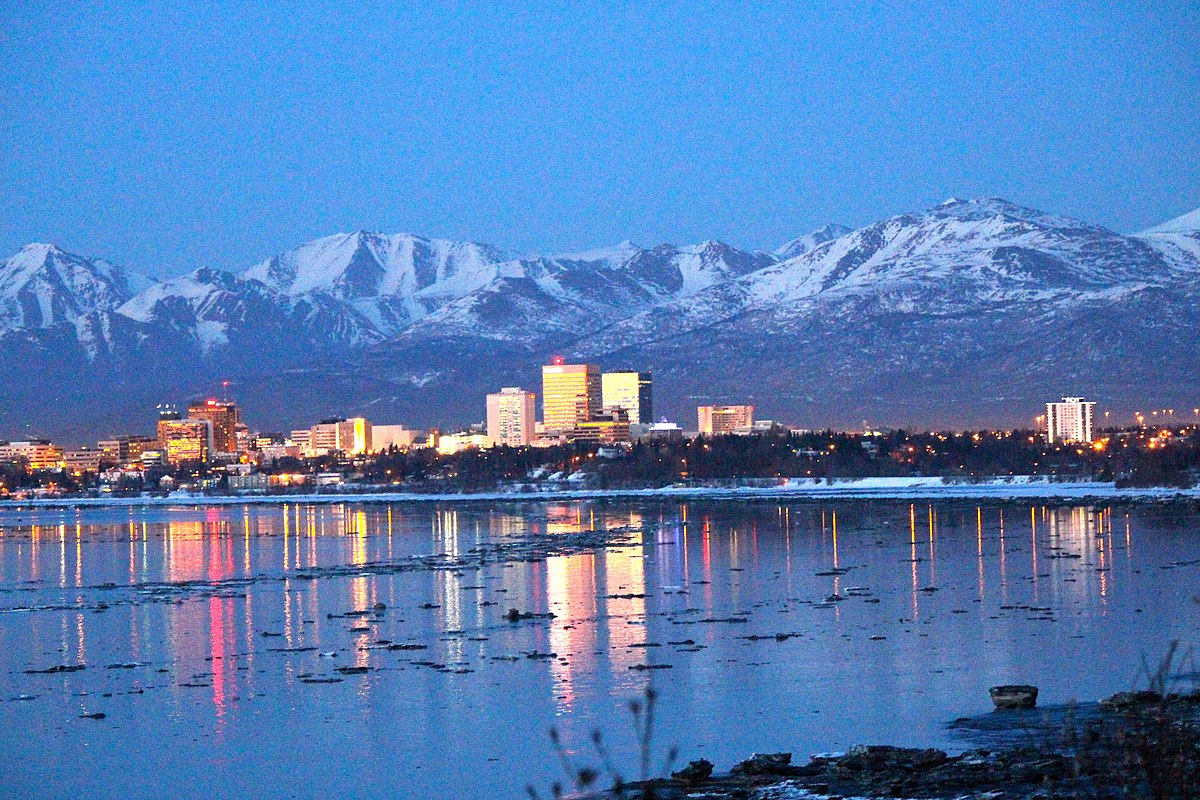
Elections for all 40 seats in the Alaska House of Representatives will be held on November 3, 2026. Alaska legislators have formed bipartisan governing coalitions after every election since 2016. Although Republicans won a majority of seats in all five of those elections, the only bipartisan coalition that was majority-Republican was the one formed after…
-
Supreme Court rules Missouri must use old maps for Nov. 3 elections, not maps used in congressional primaries
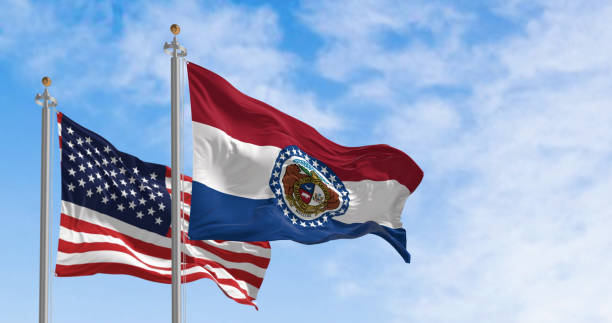
On Sept. 25, 2026, the Supreme Court of the United States ruled that Missouri must use U.S. House districts enacted in 2022 for the Nov. 3, 2026, general elections. In the primary elections on Aug. 4, Missouri used new district maps enacted in 2025. The new maps were expected to shift one district, held by…